
Trump-Xi Summit Yields Trade Pledges, Leaves Taiwan Unresolved
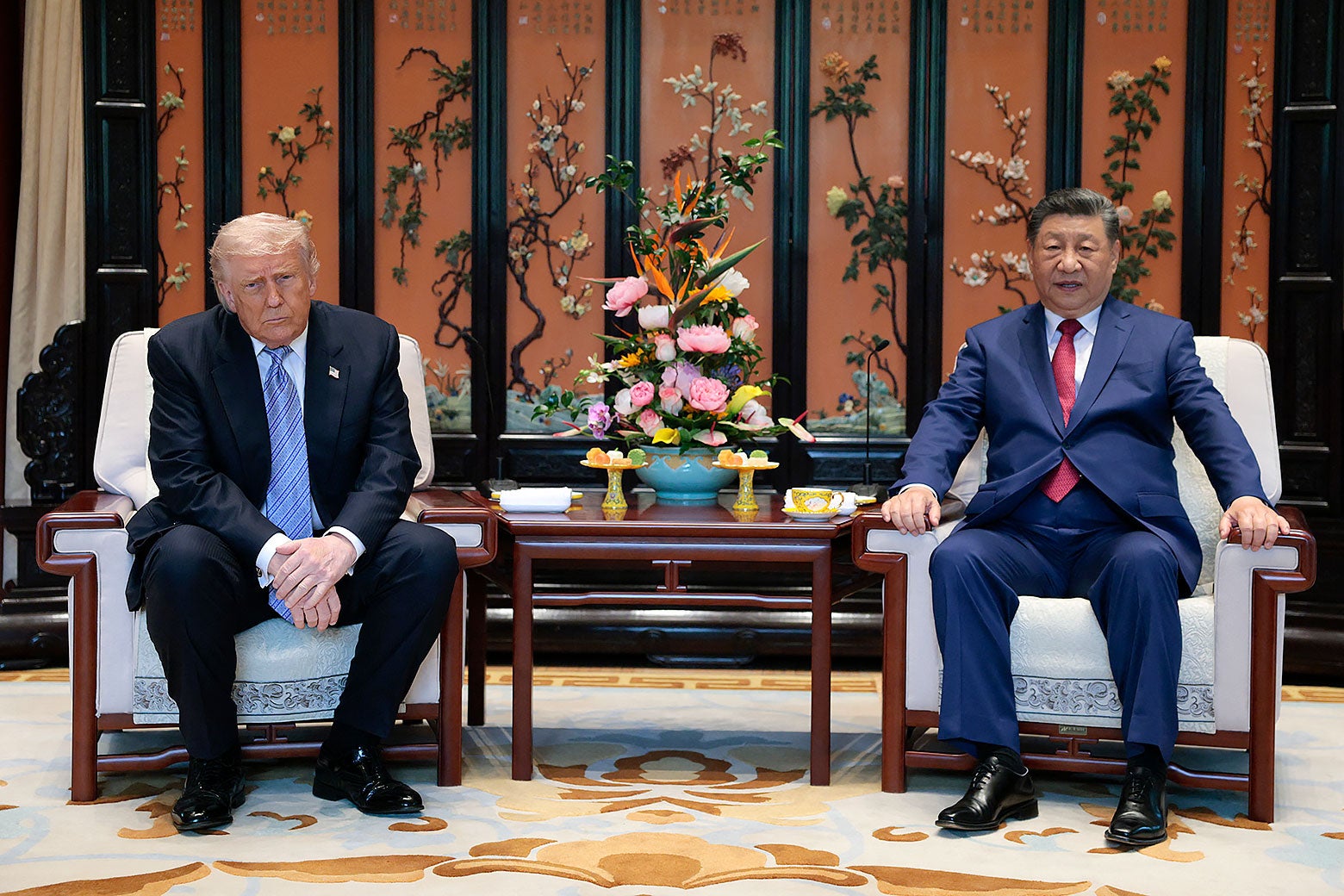
Cover image from slate.com, which was analyzed for this article
President Trump returned from Beijing with commitments for major Chinese purchases of US agricultural goods and Boeing aircraft. No breakthroughs occurred on Taiwan security or Iran-related issues.
PoliticalOS
Saturday, May 16, 2026 — Politics
The summit produced concrete but limited trade commitments on aircraft and farm goods while leaving Taiwan arms sales and broader security questions unresolved. Readers should note that U.S. policy on strategic ambiguity stayed intact and that follow-up meetings were scheduled, even as several economic friction points remain open.
What outlets missed
Several outlets omitted the specific Boeing order size of 200 aircraft with a conditional path to 750, a detail that appeared in White House remarks and affected market reaction. Most reporting also left out the confirmed scheduling of Xi’s future White House visit, which established a concrete follow-up mechanism regardless of immediate trade results. Few accounts placed the 245,000 acres of Chinese-owned U.S. farmland against total foreign holdings, where Canada alone accounts for more than 15 million acres, leaving scale unaddressed.
Trump Keeps Taiwan Arms Deal in Play After China Meetings
President Donald Trump left open the possibility of approving or rejecting a long-delayed $14 billion arms package to Taiwan following his meetings with Chinese President Xi Jinping in Beijing. The comments came during an interview with Fox News after the two-day summit, where trade, regional stability, and the ongoing conflict involving Iran took center stage. Trump described the weapons as a potential bargaining tool rather than an automatic commitment.
Taiwan has waited months for approval of air defense systems and advanced missiles that would strengthen its ability to resist a Chinese attack. Trump approved an earlier $11 billion package last year, which prompted stepped-up Chinese military activity around the island. In the latest remarks, Trump said he was undecided and stressed that the United States is not seeking conflict over the issue. He noted that maintaining the current situation might keep Beijing satisfied while avoiding any signal that Washington is encouraging formal independence.
Chinese officials have repeatedly warned that mishandling Taiwan risks serious friction between the two powers. Xi raised the matter directly during the talks, tying economic cooperation to careful handling of the Taiwan question. Trump did not contradict that framing in public statements and instead urged both sides to reduce tensions. The longstanding U.S. position of not recognizing either formal independence for Taiwan or Beijing’s full claim remains in place, with defense assistance provided on a case-by-case basis.
The summit produced no major new trade agreements despite American hopes for concrete progress. Previous visits had yielded large announced deals, yet this round focused more on maintaining existing economic ties amid broader competition. Trump’s delegation included business leaders seeking clearer rules on market access, but results stayed limited to general statements about future cooperation.
Separate remarks from Trump addressed Chinese ownership of U.S. farmland and the presence of Chinese students in American universities. He argued that removing Chinese buyers from agricultural land would hurt farm prices and that expelling large numbers of students would damage higher education institutions that depend on their tuition. These positions drew criticism from some domestic voices concerned about foreign influence, yet they aligned with a view that abrupt restrictions carry immediate economic costs.
Republicans and Democrats in Congress have generally backed continued arms support for Taiwan as a hedge against Chinese military action. Trump’s approach treats that support as one element within a wider set of American interests rather than an open-ended guarantee. The outcome leaves the $14 billion package still pending while signaling that decisions will weigh strategic value against the risks of escalation and the pursuit of economic stability.
You just read Conservative's take. Want to read what actually happened?
More in Politics
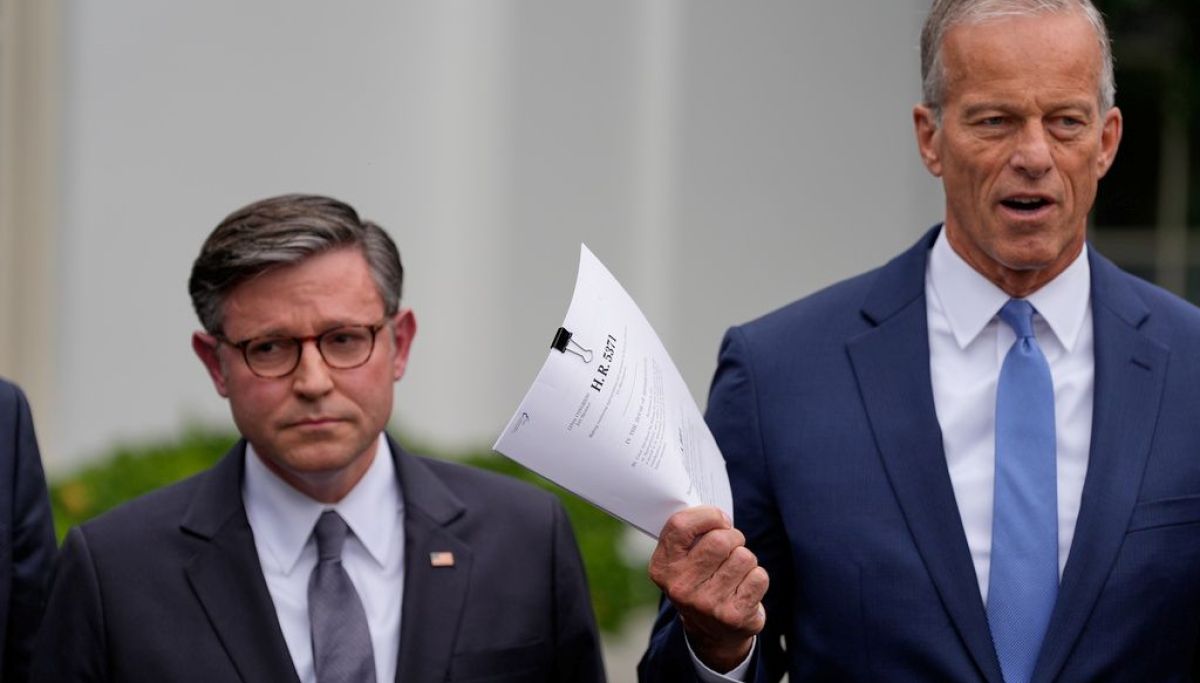
Trump at 32% Approval as Gas Prices Test GOP Midterm Hopes
NYT/Siena polling showed Trump's approval at historic lows around 32 percent with Democrats leading by double digits in key districts. Early voting has surged in battleground states.

Record Early Voting Hits Battlegrounds, Shifting Partisan Shares
AP analysis found hundreds of thousands more early ballots than in 2022 in states including Texas, Ohio, Kansas, Maine, and North Carolina, shifting partisan dynamics.
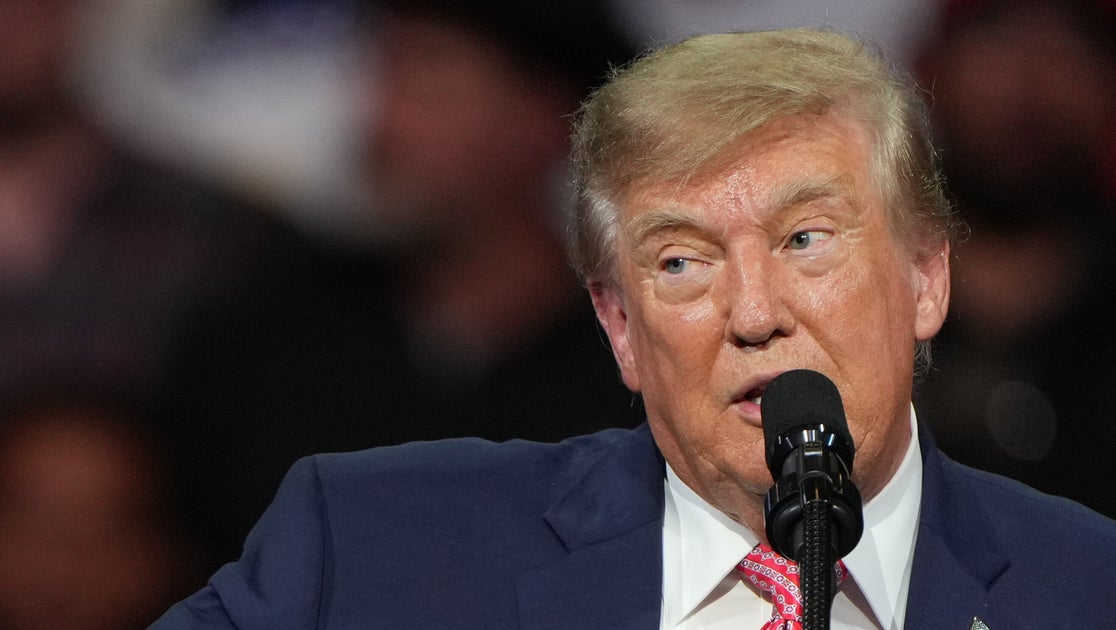
Trump Backs Marshall in Kansas Senate Race Tightened by Farm Costs
President Trump rallied in deep-red Kansas for GOP Sen. Roger Marshall in a competitive race, announcing an $8 billion farm fuel relief program amid high diesel prices. Democrats see an opening to end 94 years of GOP dominance in the state.

Trump Pauses Russia Sanctions Amid Ukraine Tensions and Missile Strikes
Trump waived sanctions on Russia and floated trilateral talks with Putin and Xi as part of ending the Ukraine war, while tensions rose with Zelenskyy over Starlink and arms. Bipartisan senators engaged Zelenskyy amid the shifts.
The Compass
You just read five takes on one story.
What's your take? Find your political shape in a few minutes.
Take the test