
Trump-Xi Summit Yields Trade Pledges, Leaves Taiwan Unresolved
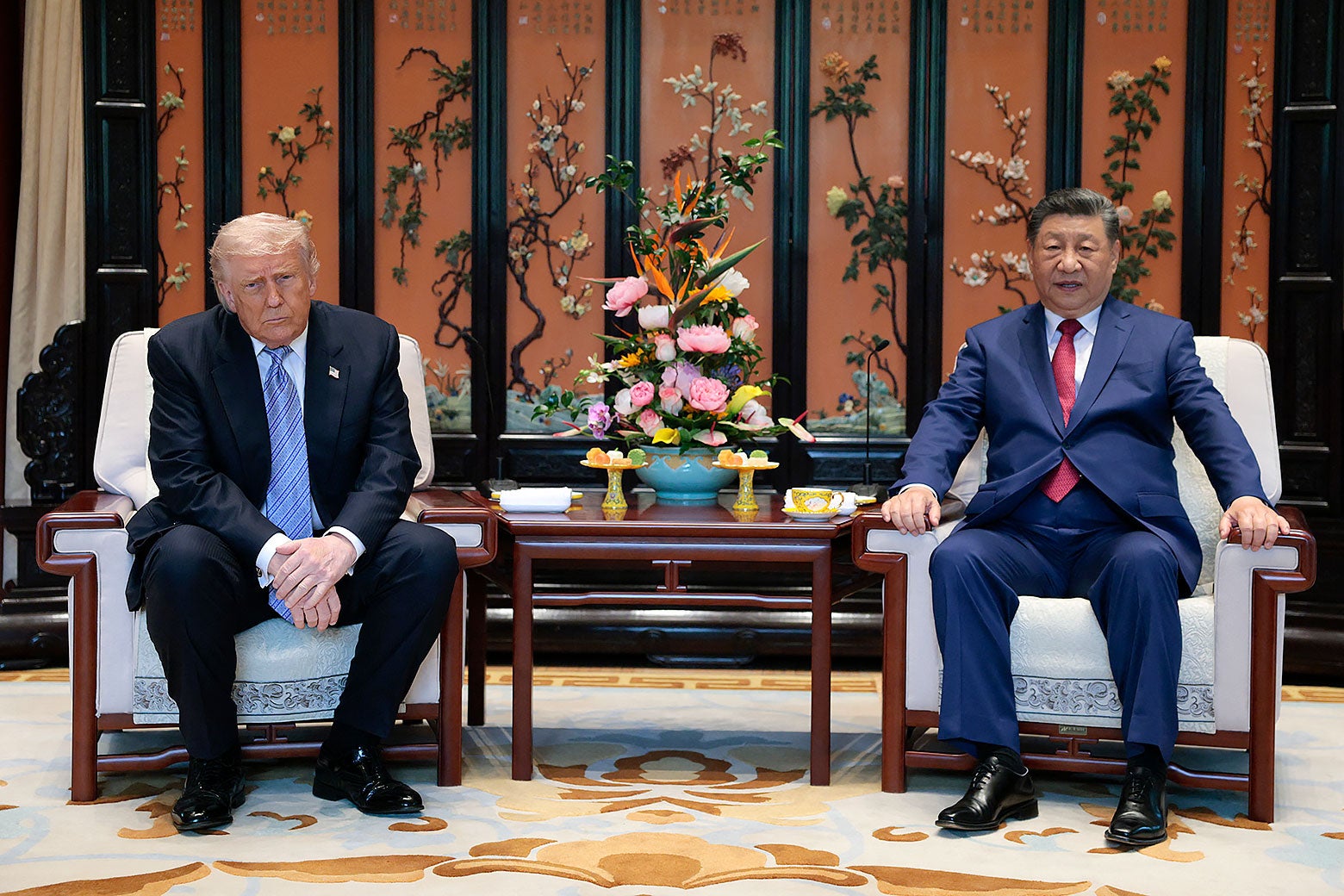
Cover image from slate.com, which was analyzed for this article
President Trump returned from Beijing with commitments for major Chinese purchases of US agricultural goods and Boeing aircraft. No breakthroughs occurred on Taiwan security or Iran-related issues.
PoliticalOS
Saturday, May 16, 2026 — Politics
The summit produced concrete but limited trade commitments on aircraft and farm goods while leaving Taiwan arms sales and broader security questions unresolved. Readers should note that U.S. policy on strategic ambiguity stayed intact and that follow-up meetings were scheduled, even as several economic friction points remain open.
What outlets missed
Several outlets omitted the specific Boeing order size of 200 aircraft with a conditional path to 750, a detail that appeared in White House remarks and affected market reaction. Most reporting also left out the confirmed scheduling of Xi’s future White House visit, which established a concrete follow-up mechanism regardless of immediate trade results. Few accounts placed the 245,000 acres of Chinese-owned U.S. farmland against total foreign holdings, where Canada alone accounts for more than 15 million acres, leaving scale unaddressed.
Trump Casts Doubt on Taiwan Arms Package After Beijing Summit
President Donald Trump left open the possibility that he would block a long-planned $14 billion arms sale to Taiwan, describing the package as a potential bargaining tool with Beijing after concluding two days of meetings with Chinese leader Xi Jinping. In an interview recorded in China and aired on Fox News, Trump said he had made no decision on the weapons and warned that formal Taiwanese independence could draw the United States into conflict.
The comments marked the clearest signal yet that the administration views security assistance to the island as negotiable amid broader efforts to stabilize economic ties with China. Trump approved an earlier $11 billion package last year that prompted expanded Chinese military drills around Taiwan, but he has delayed action on the new request for months. During the interview he noted that maintaining the status quo might satisfy Beijing, adding that the United States is not seeking to encourage any move toward formal separation.
Taiwan has treated the proposed sale as essential for deterring a potential Chinese amphibious operation, with the package centered on air-defense systems and precision-strike missiles. Congressional leaders in both parties have backed continued arms transfers under the longstanding Taiwan Relations Act, which requires the United States to help the island maintain a credible defense. Trump’s remarks therefore introduced new uncertainty into a relationship that successive administrations have managed through deliberate ambiguity rather than explicit security guarantees.
The Beijing meetings themselves produced no major trade agreements despite administration hopes of securing concessions that could ease pressure on U.S. supply chains and manufacturing. Chinese officials instead emphasized a “constructive” framework for managing differences, language that appeared in Beijing’s readout but received little elaboration from American officials. Discussions also touched on the ongoing U.S.-Israeli conflict with Iran, though neither side announced coordinated steps. Trump praised Xi personally throughout the visit while offering few public rebukes of Chinese positions on technology export controls or industrial subsidies.
The absence of concrete economic deliverables stands in contrast to Trump’s first-term trip in 2017, when announced memoranda exceeded $250 billion even if many remained aspirational. Analysts note that China’s economy has since grown more self-reliant in key sectors, reducing the leverage Washington once held through market access. With midterm elections approaching, the lack of visible progress leaves the administration without an immediate political win on the trade front that formed a central rationale for the summit.
Trump also addressed separate domestic controversies involving Chinese investment, defending the presence of Chinese students at U.S. universities and Chinese ownership of American farmland. He argued that removing either would harm U.S. institutions and depress agricultural land values, positions that drew criticism from some Republican lawmakers concerned about espionage risks. The comments underscored an administration preference for case-by-case economic engagement over broad decoupling, even as national security agencies continue to scrutinize technology transfers and agricultural supply chains.
For Taiwan, the immediate effect is renewed pressure to avoid actions that could be interpreted in Beijing as steps toward formal independence. Taiwanese President Lai Ching-te has maintained that the island already functions as a sovereign democracy and sees no need for a new declaration. Trump’s public call for both sides to “cool it” aligns with the traditional U.S. posture of not supporting unilateral changes to the status quo, yet the explicit linkage of arms sales to bilateral negotiations with China represents a tactical shift in emphasis.
Over the longer term, the episode illustrates how strategic ambiguity around Taiwan can be tested when economic priorities rise to the top of the bilateral agenda. Previous administrations preserved room for maneuver by separating security assistance from trade talks, a distinction that appears harder to sustain under the current approach. Whether this recalibration produces concessions from Beijing or simply invites further probing of U.S. commitments will depend on follow-up diplomacy that has yet to take shape.
You just read Liberal's take. Want to read what actually happened?
More in Politics
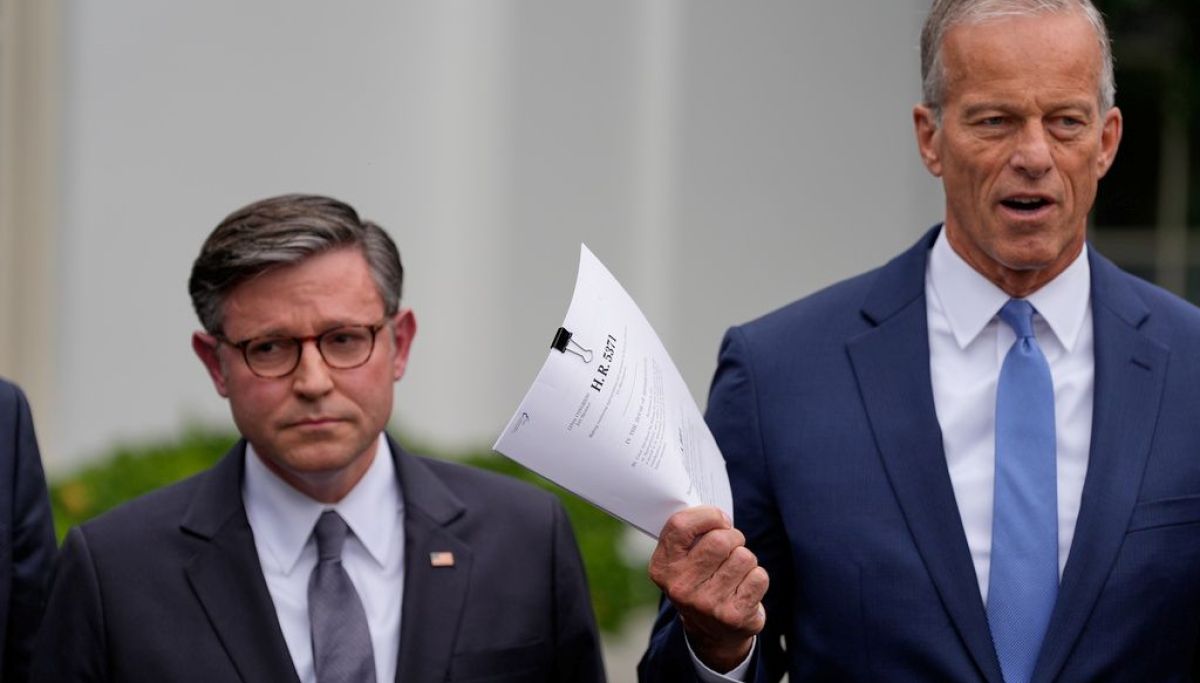
Trump at 32% Approval as Gas Prices Test GOP Midterm Hopes
NYT/Siena polling showed Trump's approval at historic lows around 32 percent with Democrats leading by double digits in key districts. Early voting has surged in battleground states.

Record Early Voting Hits Battlegrounds, Shifting Partisan Shares
AP analysis found hundreds of thousands more early ballots than in 2022 in states including Texas, Ohio, Kansas, Maine, and North Carolina, shifting partisan dynamics.
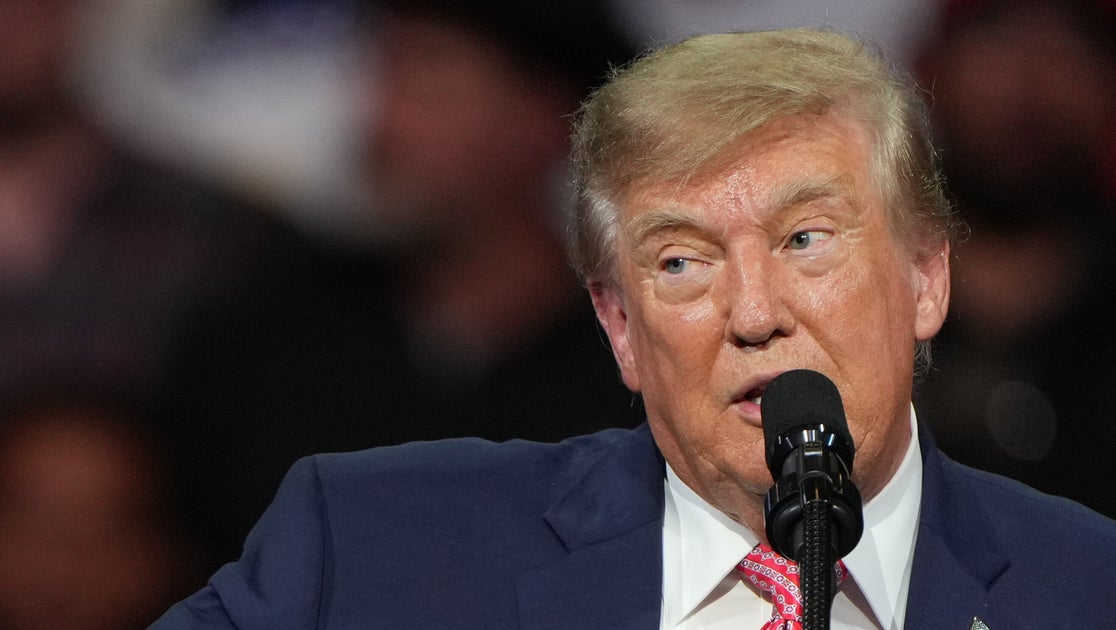
Trump Backs Marshall in Kansas Senate Race Tightened by Farm Costs
President Trump rallied in deep-red Kansas for GOP Sen. Roger Marshall in a competitive race, announcing an $8 billion farm fuel relief program amid high diesel prices. Democrats see an opening to end 94 years of GOP dominance in the state.

Trump Pauses Russia Sanctions Amid Ukraine Tensions and Missile Strikes
Trump waived sanctions on Russia and floated trilateral talks with Putin and Xi as part of ending the Ukraine war, while tensions rose with Zelenskyy over Starlink and arms. Bipartisan senators engaged Zelenskyy amid the shifts.
The Compass
You just read five takes on one story.
What's your take? Find your political shape in a few minutes.
Take the test