
Trump-Xi Summit Yields Trade Pledges, Leaves Taiwan Unresolved
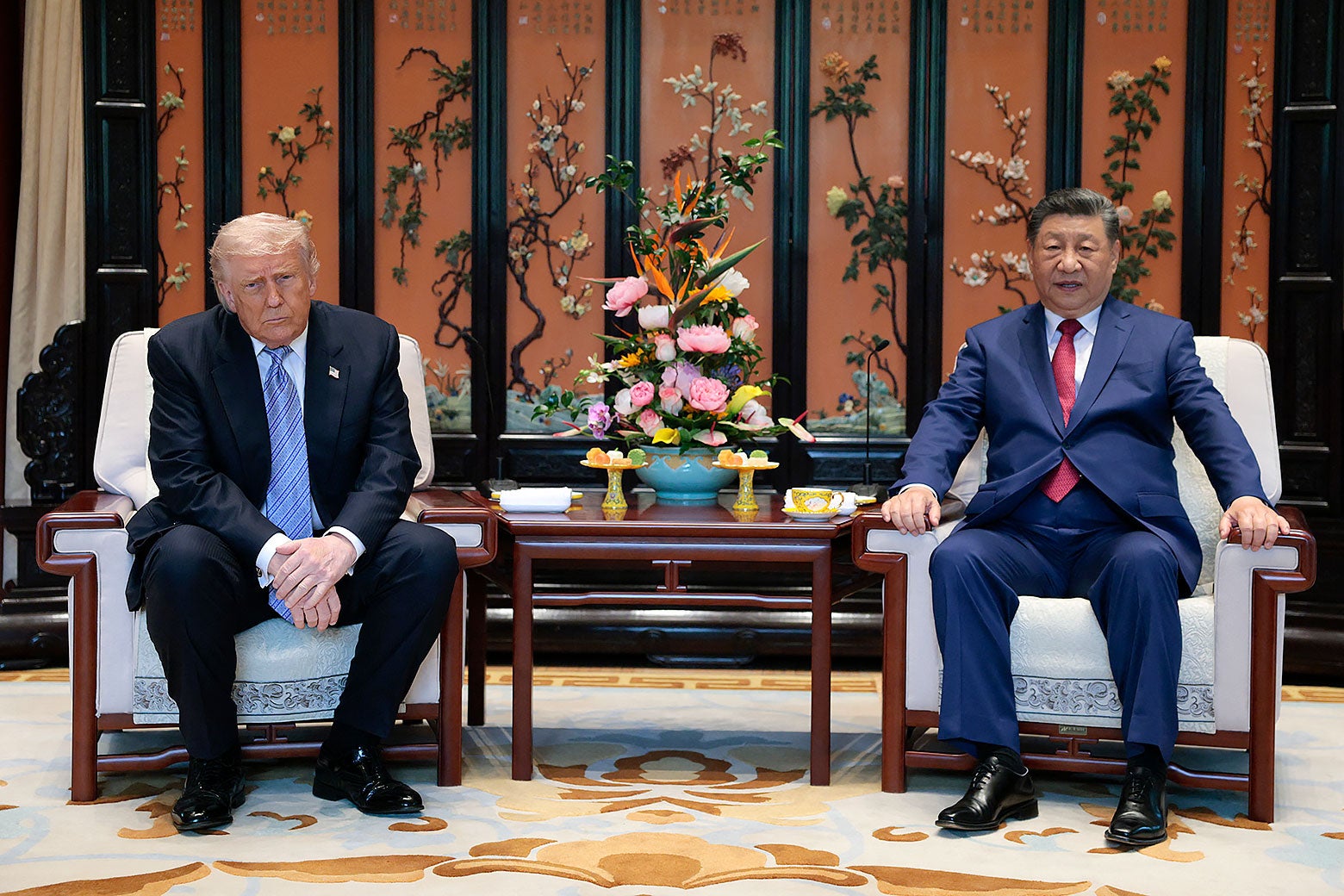
Cover image from slate.com, which was analyzed for this article
President Trump returned from Beijing with commitments for major Chinese purchases of US agricultural goods and Boeing aircraft. No breakthroughs occurred on Taiwan security or Iran-related issues.
PoliticalOS
Saturday, May 16, 2026 — Politics
The summit produced concrete but limited trade commitments on aircraft and farm goods while leaving Taiwan arms sales and broader security questions unresolved. Readers should note that U.S. policy on strategic ambiguity stayed intact and that follow-up meetings were scheduled, even as several economic friction points remain open.
What outlets missed
Several outlets omitted the specific Boeing order size of 200 aircraft with a conditional path to 750, a detail that appeared in White House remarks and affected market reaction. Most reporting also left out the confirmed scheduling of Xi’s future White House visit, which established a concrete follow-up mechanism regardless of immediate trade results. Few accounts placed the 245,000 acres of Chinese-owned U.S. farmland against total foreign holdings, where Canada alone accounts for more than 15 million acres, leaving scale unaddressed.
Trump Casts Doubt on Taiwan Defense After Beijing Summit With Xi
President Donald Trump left Beijing this week having offered no firm commitments on a major arms package for Taiwan, raising fresh questions about whether his administration will continue longstanding U.S. support for the island democracy amid mounting Chinese pressure.
Speaking to Fox News after his two-day meeting with President Xi Jinping, Trump said he remained undecided on approving a $14 billion weapons sale that includes advanced air-defense systems and missiles. “I may do it. I may not do it,” he said. “It’s a very good negotiating chip for us, frankly.” He added that he did not want to encourage Taiwan to declare independence, warning that such a move could drag the United States into conflict thousands of miles from home.
The comments mark a noticeable softening from previous U.S. policy signals. Trump had approved an $11 billion arms package last year, which prompted a sharp increase in Chinese military drills around Taiwan. Beijing views the self-governing island as its territory and has repeatedly threatened to take it by force. Taiwanese officials have long argued they already function as a sovereign nation and see no need for a formal declaration of independence.
During the Beijing meetings, Xi warned that mishandling Taiwan would place the entire U.S.-China relationship in jeopardy. Trump offered no public rebuttal at the time. Instead, he focused on economic cooperation and flattered his host, while Chinese state media portrayed the summit as the start of a “constructive” new framework for managing bilateral ties. No major trade agreements emerged from the trip, leaving U.S. officials without the economic wins Trump had hoped to bring home.
The uncertainty over arms sales has already drawn quiet concern from both parties in Congress, where support for bolstering Taiwan’s defenses has remained consistent. Lawmakers have pointed to Taiwan’s role as a critical supplier of advanced semiconductors and its strategic position in the Indo-Pacific. Any perceived retreat by Washington risks emboldening Beijing at a moment when Chinese military activity near the island continues to rise.
Trump also addressed other issues tied to China’s influence inside the United States, defending the presence of Chinese students at American universities and Chinese ownership of U.S. farmland. He argued that removing either would damage the economy, a stance that drew immediate criticism from some conservatives who see both as national-security risks.
For Taiwan, the immediate effect of the summit is a clearer sense that its security relationship with Washington now sits on the negotiating table. Whether that leverage produces results for Beijing or simply leaves an ally more exposed remains to be seen.
You just read Progressive's take. Want to read what actually happened?
More in Politics
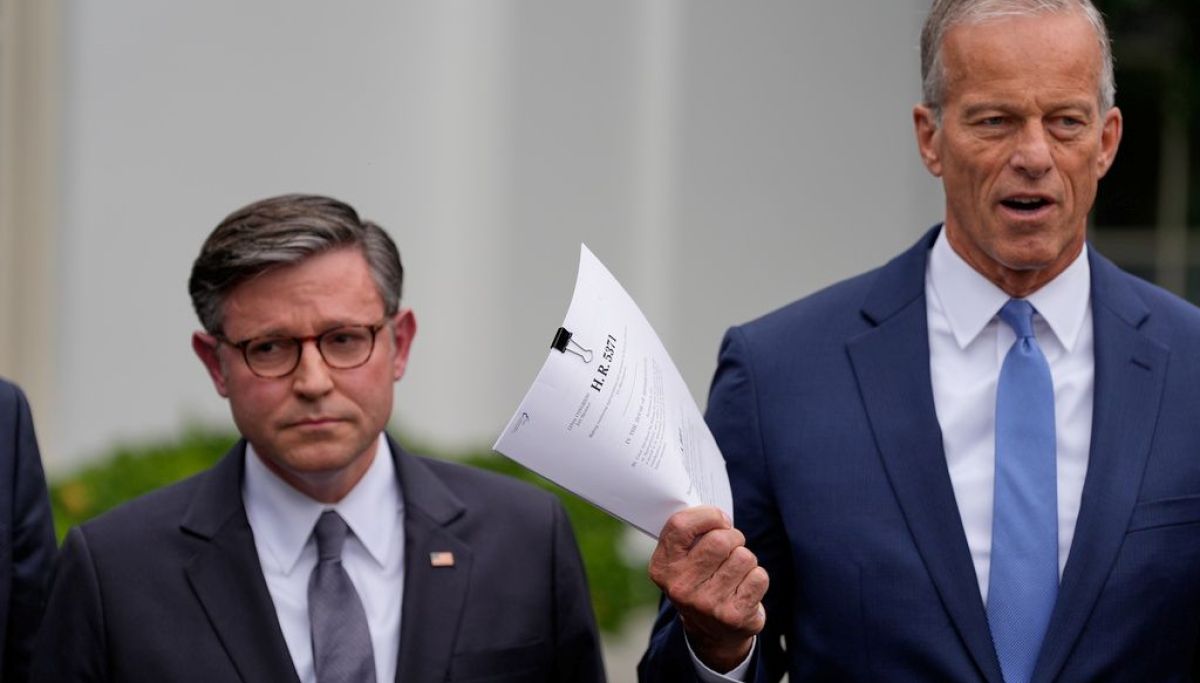
Trump at 32% Approval as Gas Prices Test GOP Midterm Hopes
NYT/Siena polling showed Trump's approval at historic lows around 32 percent with Democrats leading by double digits in key districts. Early voting has surged in battleground states.

Record Early Voting Hits Battlegrounds, Shifting Partisan Shares
AP analysis found hundreds of thousands more early ballots than in 2022 in states including Texas, Ohio, Kansas, Maine, and North Carolina, shifting partisan dynamics.
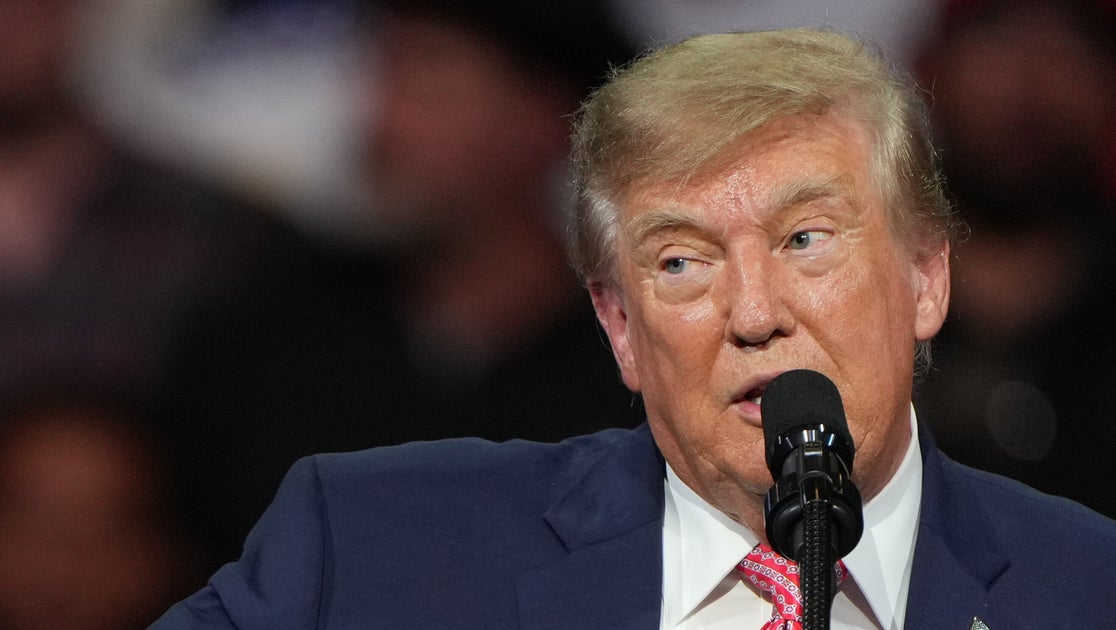
Trump Backs Marshall in Kansas Senate Race Tightened by Farm Costs
President Trump rallied in deep-red Kansas for GOP Sen. Roger Marshall in a competitive race, announcing an $8 billion farm fuel relief program amid high diesel prices. Democrats see an opening to end 94 years of GOP dominance in the state.

Trump Pauses Russia Sanctions Amid Ukraine Tensions and Missile Strikes
Trump waived sanctions on Russia and floated trilateral talks with Putin and Xi as part of ending the Ukraine war, while tensions rose with Zelenskyy over Starlink and arms. Bipartisan senators engaged Zelenskyy amid the shifts.
The Compass
You just read five takes on one story.
What's your take? Find your political shape in a few minutes.
Take the test