
US Targets Iranian Ports in Hormuz Blockade After Nuclear Talks Collapse

Cover image from thedispatch.com, which was analyzed for this article
President Trump ordered a US naval blockade of Iranian ports along the Strait of Hormuz, warning that Iranian fast-attack vessels will be targeted. Tankers passed through on the first day according to data, but Iran denounced it as piracy. Debates rage on its strategic value, risks, and alternatives amid fears of escalation.
PoliticalOS
Tuesday, April 14, 2026 — Politics
The U.S. naval operation is a targeted effort to cut off revenue from Iranian oil exports after nuclear negotiations failed over the length of an enrichment moratorium, not a total closure of the Strait of Hormuz. Early shipping data shows non-Iranian tankers continue to pass, but the success of this high-stakes gamble depends on whether economic pressure can force concessions without provoking mine attacks, drone strikes or broader energy disruption that would raise costs for consumers worldwide. Readers should recognize that pipeline alternatives fall far short of replacing 20 million barrels per day, allied support is limited, and the central unresolved question is whether Iran’s leadership will accept strict limits on its nuclear program before the fragile ceasefire collapses.
What outlets missed
Most coverage underplayed the precise nuclear proposals exchanged in Islamabad: the U.S. 20-year enrichment moratorium and full stockpile removal versus Iran's 3-5 year freeze and monitored down-blending, details corroborated by The Washington Post, Axios and The Dispatch but rarely synthesized. The exact CENTCOM definition limiting the blockade to Iranian ports and coastal areas, explicitly sparing neutral transit, was often blurred into broader 'Strait blockade' language, obscuring operational nuance. Prior Iranian actions, including mine-laying, attacks on more than a dozen merchant vessels and selective toll demands that reduced traffic by over 90 percent before the U.S. move, received uneven attention and were sometimes omitted entirely. Pipeline capacity shortfalls, Saudi East-West at 7 million barrels per day and UAE's ADCOP at 1.8 million against Hormuz's 20 million, were quantified in only a few specialist reports yet are central to debates over alternatives. Finally, allied reluctance, UK and French refusal to assist plus active Saudi lobbying against the policy, was downplayed outside the Wall Street Journal and Bulwark, masking the increased burden on U.S. forces.
Trump Tightens Grip on Iran With Hormuz Blockade After Talks Collapse
President Donald Trump has moved from threats to action, ordering the U.S. Navy to blockade the Strait of Hormuz and cut off Iran’s economic lifeline after weekend peace talks in Islamabad fell apart. Two American destroyers, the USS Frank E. Petersen Jr. and USS Michael Murphy, forced their way through the narrow passage on Saturday, signaling that the United States will no longer tolerate Tehran’s attempts to hold global energy flows hostage.
The move comes after Iranian officials refused to meet Trump’s core demand: a permanent end to any nuclear weapons capability, including uranium enrichment. Vice President JD Vance, leading the American side, offered Iran a 20-year moratorium. Tehran countered with three to five years. The gap proved unbridgeable. Trump made clear Monday that Iran’s refusal left him no choice but to squeeze the regime where it hurts most.
For years, Washington watched as Iran mined the strait, harassed shipping, and used its control over one of the world’s most vital energy chokepoints to blackmail trading partners. Roughly 20 percent of global oil demand once flowed through those waters. When the current conflict began, Iranian forces effectively shut down commercial traffic, sending prices skyrocketing and reminding everyone why control of Hormuz has always been the real prize in any Persian Gulf fight. Trump’s response is straightforward: if Iran wants to play games with the world’s oil supply, America will simply shut down their business instead.
U.S. Central Command announced the blockade would work in stages—interception, diversion, and capture. Ships heading to or from Iranian ports are now barred. Humanitarian goods can still pass after inspection. Neutral vessels received a short window to clear the area. On the first full day of enforcement, shipping data showed several tankers still moving through the strait, but only those not bound for Iran. Two vessels already under U.S. sanctions for prior dealings with Tehran made the transit. Another, the Rich Starry, carried methanol out of the Gulf. These movements suggest the blockade is selective but firm, aimed at the regime rather than every drop of oil in the region.
Iran’s leaders wasted no time crying foul. They called the operation “piracy” and promised a “strong and forceful response.” Parliamentary Speaker Mohammad-Bagher Ghalibaf had apparently hoped Iran’s grip on the strait would buy the Islamic Revolutionary Guard Corps time to regroup. That bet collapsed the moment American destroyers sailed through without challenge. The IRGC navy stood down. For all its bluster about dominating the waterway, Iran’s military appears increasingly hollowed out after weeks of American and Israeli strikes that have degraded its leadership, proxies, nuclear sites, and conventional forces.
Still, the risks are real. More than eighty energy facilities across the Persian Gulf have already been damaged in this conflict, a third of them severely. Analysts warn that a tightened blockade could prompt Iran to lash out at neighboring oil infrastructure, further disrupting supplies. Oil markets have reacted with predictable volatility. American consumers, who already paid the price for supply shocks, could face even higher gas prices this summer. That is the uncomfortable reality of confronting a regime that has spent decades building asymmetric tools to strike back.
Critics of endless Middle East engagements will note the obvious. For years the foreign policy establishment assured us sanctions, diplomacy, and occasional targeted strikes would contain Iran. Those measures delivered neither peace nor security. Iran kept advancing its nuclear program in secret while funding militias that killed Americans and destabilized the region. Trump’s approach—maximum pressure without apology—represents a break from that pattern. He is not interested in nation-building or forever occupations. The goal is simple: deny Iran the resources and prestige that come with nuclear leverage and oil extortion.
Yet questions remain about what comes next. Minesweepers were notably absent from the initial transit, raising eyebrows among naval veterans who point out that destroyers excel at missile defense and power projection, not hunting sea mines. The administration insists the strait is now “fully clear” of Iranian mines, but sustained operations could stretch resources thin. Allies in Europe and Asia, many of whom rely on Gulf oil, have stayed largely quiet, content to let American sailors bear the burden while their economies feel the pinch.
Trump sounded confident Monday that Iran will eventually fold. “I think they will agree to it. I’m almost sure of it,” he said of the nuclear demand. History suggests revolutionary regimes rarely surrender quickly, especially when their survival is at stake. The mullahs have long claimed their nuclear work is peaceful. Few outside their inner circle believe it.
For now, the Strait of Hormuz has become the war’s decisive terrain. Trump controls it. Iran’s military stands exposed. Whether this pressure delivers a genuine breakthrough or simply sets the stage for wider confrontation will depend on whether Tehran recognizes the changed reality or doubles down on defiance. American families watching fuel prices at the pump will pay the immediate cost either way. The administration’s bet is that the long-term price of allowing Iran to rebuild its strength would be far higher.
You just read America First's take. Want to read what actually happened?
More in Politics

Trump Defends Ramaswamy Ad Using Estranged Mother in Ohio Race
President Trump defended a GOP nominee's ad featuring a Democratic opponent's estranged mother, calling it powerful, while drawing criticism from some Republicans including Ohio Gov. Mike DeWine. The ad has sparked internal GOP tensions ahead of midterms.
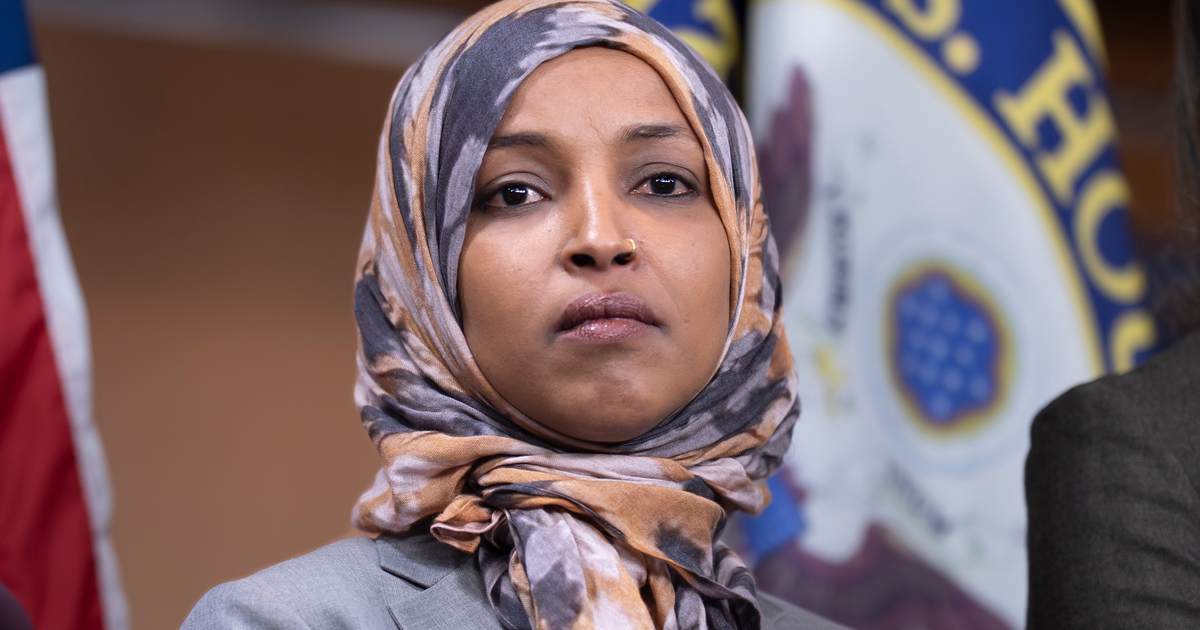
Federal Raid Targets Omar Amid Unresolved Name and Marriage Allegations
Agents searched Rep. Ilhan Omar's DC residence over immigration fraud allegations; she called it bizarre. Reports and commentary questioned her birth name and past marriage details.

Supreme Court Upholds New Hampshire Student ID Voting Ban
The Supreme Court upheld New Hampshire's ban on student IDs as valid voter identification just before midterms, affecting a tight Senate race.
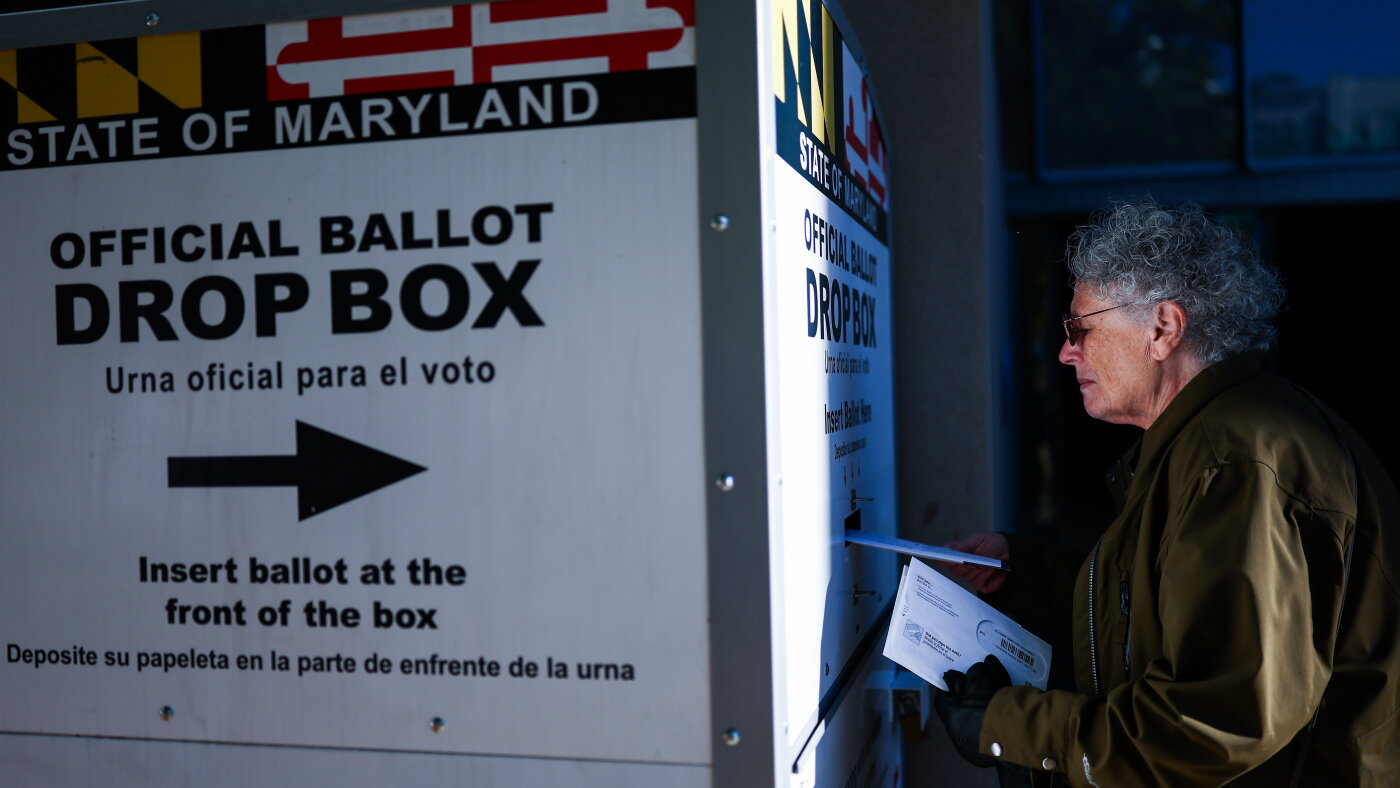
Early Voting Hits 21 Million as Most Trust Midterm Accuracy
Millions have already voted early as parties make final appeals amid $1.4 billion in ad spending; polls show confidence in election accuracy.
The Compass
You just read five takes on one story.
What's your take? Find your political shape in a few minutes.
Take the test