
US and China Set September AI Talks on Risks, Competition
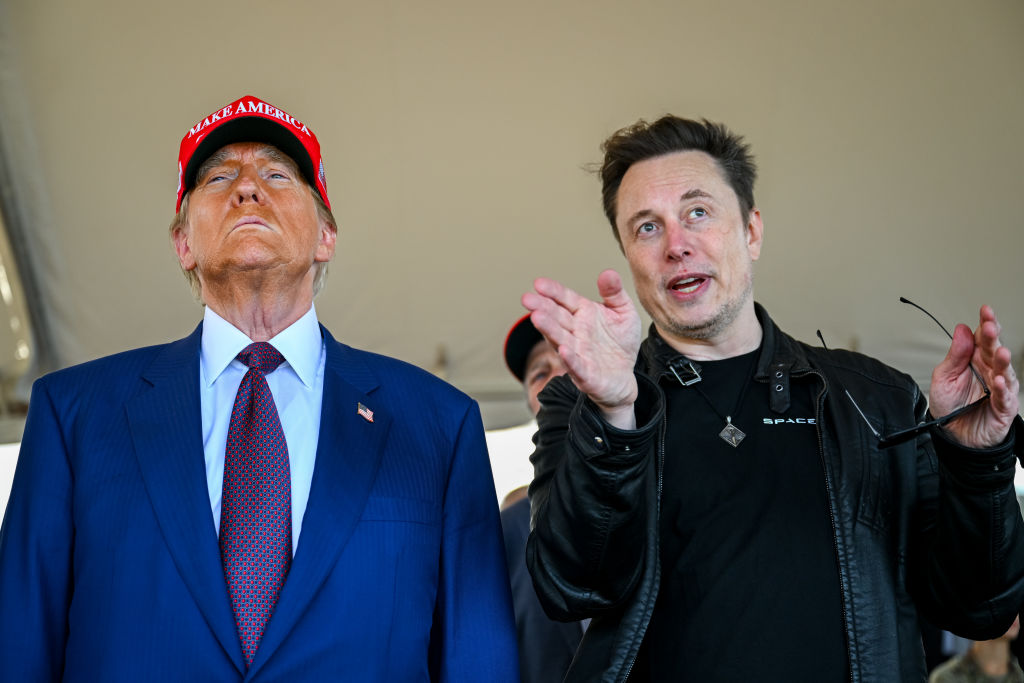
Cover image from salon.com, which was analyzed for this article
The US and China plan high-level AI discussions in September to address competition, security, and technology risks. Tech firms urged against overly restrictive policies that could benefit rivals.
PoliticalOS
Tuesday, July 28, 2026 — Tech
The September talks represent the main current channel for managing US-China AI tensions, yet major outlets have not covered participant details, industry positions, or follow-up plans. Readers seeking context must look beyond the provided sources.
What outlets missed
No outlet examined the specific US agencies or Chinese counterparts expected to lead the talks. None reported on the technology firms that contacted US officials or the precise policy changes those firms opposed. Coverage also omitted any timeline for follow-up meetings or the role of existing export controls in shaping the agenda.
The United States and China will hold senior-level talks on artificial intelligence in September, focusing on competition, security concerns, and shared technology risks. Both governments have expanded AI capabilities in recent years, prompting calls for structured communication to reduce the chance of unintended escalation. Technology companies have pressed officials in Washington to avoid measures that could hand advantages to foreign competitors by limiting US research or exports too broadly. The planned discussions follow earlier bilateral meetings on related topics but have not yet produced a detailed agenda or participant list. No agreements are expected immediately, and outcomes will depend on how each side defines its core interests in the coming weeks.
More in Technology

Democratic Wins Heighten Scrutiny of Data Center Expansion
Newly empowered Democrats signaled opposition to rapid AI data center growth on public lands and elsewhere. This contributed to market pressure on chipmakers and infrastructure firms.
Nvidia Faces Added Scrutiny on AI Shipments After Midterms
Nvidia faces increased monitoring of accelerator shipments amid smuggling concerns to China. Broader regulatory uncertainty from the election weighed on the sector.

Google Ties Search Access to AI Opt-In for K-12 Schools
Google will turn its AI tools off by default for K-12 students starting in 2027 and will restrict Search access for schools that fully block AI. The policy reflects deeper integration of AI into core products. Right-leaning New York Post and tech coverage noted the changes.

FBI Ties $6.3 Billion Binance Hack to North Korea; Pyongyang Fires Missiles
The FBI linked the theft of over $6 billion in cryptocurrency from Binance to North Korea's Lazarus Group, citing social engineering. Laundering the funds is expected to take months. Engadget, New York Post, and other outlets reported on the investigation.
The Compass
You just read five takes on one story.
What's your take? Find your political shape in a few minutes.
Take the test