
US Apache Crashes Near Strait of Hormuz; Crew Rescued
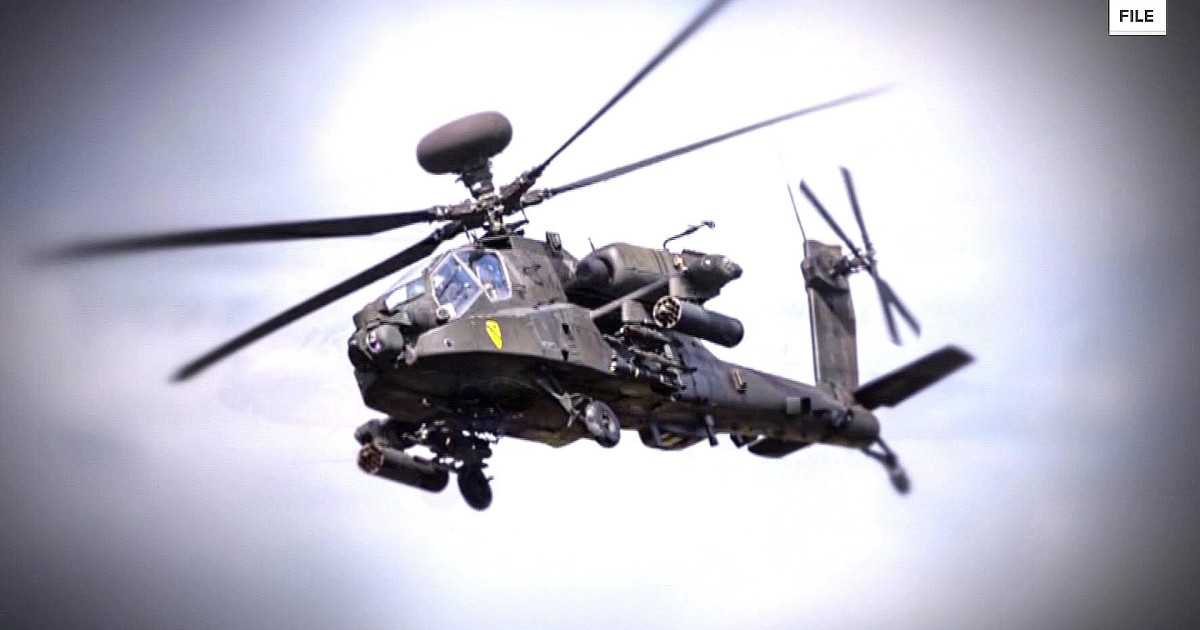
Cover image from today.com, which was analyzed for this article
A US Army Apache helicopter went down near the Strait of Hormuz amid Iran tensions. Crew was rescued safely with no injuries reported.
PoliticalOS
Tuesday, June 9, 2026 — Politics
The helicopter was lost during routine patrol operations tied to the U.S. blockade, yet the crew was recovered quickly and safely. The cause is still unknown and no evidence points to hostile fire at this stage. The incident occurred against a fragile ceasefire whose durability remains the central unresolved question.
What outlets missed
Most reports omitted that the flight formed part of documented U.S. efforts to reopen the strait after Iranian interdiction of shipping, a detail confirmed in CENTCOM releases. Few noted this was the first Apache lost in the theater since February, a timeline point carried only by the Jerusalem Post. Several accounts also left out the precise rescue composition involving the 82nd Airborne Division and Task Force 59, information supplied directly by Central Command.
US Helicopter Crash Near Iran Raises Fresh Questions Over Risky Blockade
A U.S. Army AH-64 Apache helicopter went down near the Strait of Hormuz on Monday night, with the two crew members rescued hours later in stable condition. President Donald Trump quickly assured reporters that the pilots were unharmed and that a full report would follow. Central Command confirmed the incident occurred during a patrol off the coast of Oman and that American forces recovered the crew within roughly two hours.
The crash unfolded against the backdrop of a shaky ceasefire between Iran and Israel. The two sides had traded strikes just days earlier, the first direct exchanges in weeks, before stepping back at Trump's urging. Tehran has warned it will resume fighting if Israel continues operations against Hezbollah in Lebanon. Washington has been pressing for a broader deal to end more than three months of conflict that began in late February.
Apache helicopters have played a frontline role in the American effort to enforce a blockade on Iranian oil shipments through the strait. Those same aircraft have also been used to engage Iranian small boats. Officials have not disclosed whether the downed helicopter suffered mechanical trouble, encountered some other mishap, or came under Iranian fire. The military has lost roughly thirty MQ-9 Reaper drones to Iranian action since the war started, along with a handful of fighter jets from both hostile and friendly fire. This would mark the first Apache lost in the fighting.
Trump, speaking at John F. Kennedy International Airport before boarding Air Force One, repeated that no one was injured and stressed the pilots were fine. He offered no details on the cause and said investigators would release more information soon. Iranian state media noted the incident but provided no further comment on what happened.
The episode highlights the hazards American forces continue to face while maintaining the naval cordon around Iran. The strait remains a vital chokepoint for global energy supplies, and the prolonged standoff has already lifted fuel prices and strained household budgets worldwide. Rescue efforts involved Naval Forces Central Command, the 82nd Airborne Division, Air Force units, and elements of the 5th Fleet's Task Force 59. The crew was located with the help of a navy surface drone.
Questions about the helicopter's fate come as the administration seeks to convert the fragile pause in fighting into a lasting agreement. Trump has expressed optimism that a deal could take shape within days, though earlier hints of imminent progress have not yet produced results. The military has not yet explained why the aircraft went down or whether the incident will prompt any shift in tactics along the Iranian coast.
For now, the focus remains on the safe return of the two soldiers and the pending official account of what went wrong.
You just read America First's take. Want to read what actually happened?
More in Politics

Trump Defends Ramaswamy Ad Using Estranged Mother in Ohio Race
President Trump defended a GOP nominee's ad featuring a Democratic opponent's estranged mother, calling it powerful, while drawing criticism from some Republicans including Ohio Gov. Mike DeWine. The ad has sparked internal GOP tensions ahead of midterms.

Federal Raid Targets Omar Amid Unresolved Name and Marriage Allegations
Agents searched Rep. Ilhan Omar's DC residence over immigration fraud allegations; she called it bizarre. Reports and commentary questioned her birth name and past marriage details.

Supreme Court Upholds New Hampshire Student ID Voting Ban
The Supreme Court upheld New Hampshire's ban on student IDs as valid voter identification just before midterms, affecting a tight Senate race.
Early Voting Hits 21 Million as Most Trust Midterm Accuracy
Millions have already voted early as parties make final appeals amid $1.4 billion in ad spending; polls show confidence in election accuracy.
The Compass
You just read five takes on one story.
What's your take? Find your political shape in a few minutes.
Take the test