
US Apache Crashes Near Strait of Hormuz; Crew Rescued
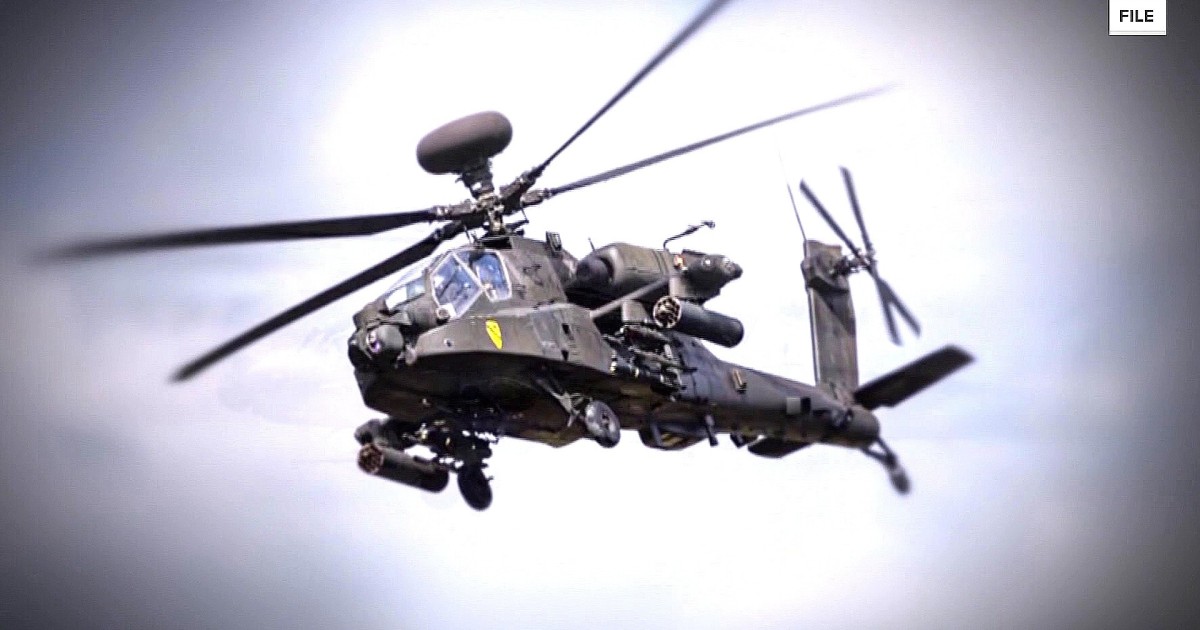
Cover image from today.com, which was analyzed for this article
A US Army Apache helicopter went down near the Strait of Hormuz amid Iran tensions. Crew was rescued safely with no injuries reported.
PoliticalOS
Tuesday, June 9, 2026 — Politics
The helicopter was lost during routine patrol operations tied to the U.S. blockade, yet the crew was recovered quickly and safely. The cause is still unknown and no evidence points to hostile fire at this stage. The incident occurred against a fragile ceasefire whose durability remains the central unresolved question.
What outlets missed
Most reports omitted that the flight formed part of documented U.S. efforts to reopen the strait after Iranian interdiction of shipping, a detail confirmed in CENTCOM releases. Few noted this was the first Apache lost in the theater since February, a timeline point carried only by the Jerusalem Post. Several accounts also left out the precise rescue composition involving the 82nd Airborne Division and Task Force 59, information supplied directly by Central Command.
US Helicopter Crash Near Strait of Hormuz Raises Questions Amid Fragile Ceasefire
A U.S. Army AH-64 Apache helicopter went down near the Strait of Hormuz on Monday night, with its two crew members rescued hours later in stable condition, according to statements from U.S. Central Command and President Donald Trump. The incident occurred while the aircraft was patrolling regional waters off the coast of Oman as part of efforts to enforce a blockade on Iranian oil shipments.
Central Command reported that the crew was recovered within approximately two hours by forces including Naval Forces Central Command and the 82nd Airborne Division, supported by Air Force and Navy units. Trump, speaking to reporters at John F. Kennedy International Airport, confirmed that both pilots were uninjured and said a report on the matter would follow. "The pilots are fine," he stated. "Nobody injured."
The cause remains under investigation, with no immediate determination of whether the helicopter was brought down by Iranian fire, mechanical issues, or another factor. The Apache models, valued at roughly $35 million to $40 million each, have been deployed in the region to challenge Iran's effective closure of the strait to much commercial traffic. U.S. forces have used similar aircraft and drones to target Iranian vessels in prior operations.
The crash unfolded against a backdrop of renewed volatility between Iran and Israel. The two sides had exchanged direct strikes for the first time in two months before agreeing to halt attacks following appeals from the Trump administration. Tehran has warned it could resume operations if Israel continues strikes on Hezbollah in Lebanon, while Israeli officials have signaled readiness to respond to any further militia activity. This latest episode underscores how difficult it has been to convert the April ceasefire into a durable end to the conflict that began in late February.
The United States has maintained a significant military presence to pressure Tehran into negotiations, including the use of Apaches alongside Reaper drones and fighter aircraft. Iranian state media noted the helicopter incident without providing details on its origins. Officials in Washington have not yet clarified whether the event will affect ongoing diplomatic efforts, though Trump has expressed optimism about reaching an agreement in the coming days.
Rescue operations highlighted coordination across multiple service branches, but the episode also illustrates the persistent hazards of sustained aerial patrols in a contested waterway. With investigations pending, military authorities have not released further details on the helicopter's mission or the sequence of events leading to the crash.
You just read Liberal's take. Want to read what actually happened?
More in Politics

Federal Agents Search Omar Home in Ongoing Immigration Probe
Homeland Security agents searched the Minnesota Democrat's DC residence in a criminal probe, prompting accusations of political intimidation from Omar and Democratic leaders. Coverage spans left-leaning outlets like NPR, BBC, and The Guardian alongside right-leaning criticism from The Federalist and Daily Wire.

Trump Diesel Import Plan Draws Pushback Over Russia Ties
The weekend agreement drew bipartisan congressional pushback and criticism from Ukraine's Zelenskyy, with analysts downplaying US fuel price impacts. Right-leaning outlets like National Review, Dispatch, and Washington Examiner questioned its legality and effectiveness.

Independents Test Voter Appetite for Middle Ground in 2026 Midterms
Nearly 200 independents are running in competitive races as voters weigh ballot measures on housing costs in states like Massachusetts. Left-leaning coverage from NYT, NPR, and Guardian highlights turnout and key races while right outlets focus on GOP strategy.
Trump Rallies in Alaska, Ohio to Bolster GOP Senate Candidates
The president rallied in Wasilla for Sen. Dan Sullivan and faced empty seats at an Ohio event amid midterm concerns. Outlets across the spectrum covered the trips as signals of GOP vulnerability weeks before Election Day.
The Compass
You just read five takes on one story.
What's your take? Find your political shape in a few minutes.
Take the test