
US Charges Sinaloa Governor with Aiding Cartel Fentanyl Pipeline
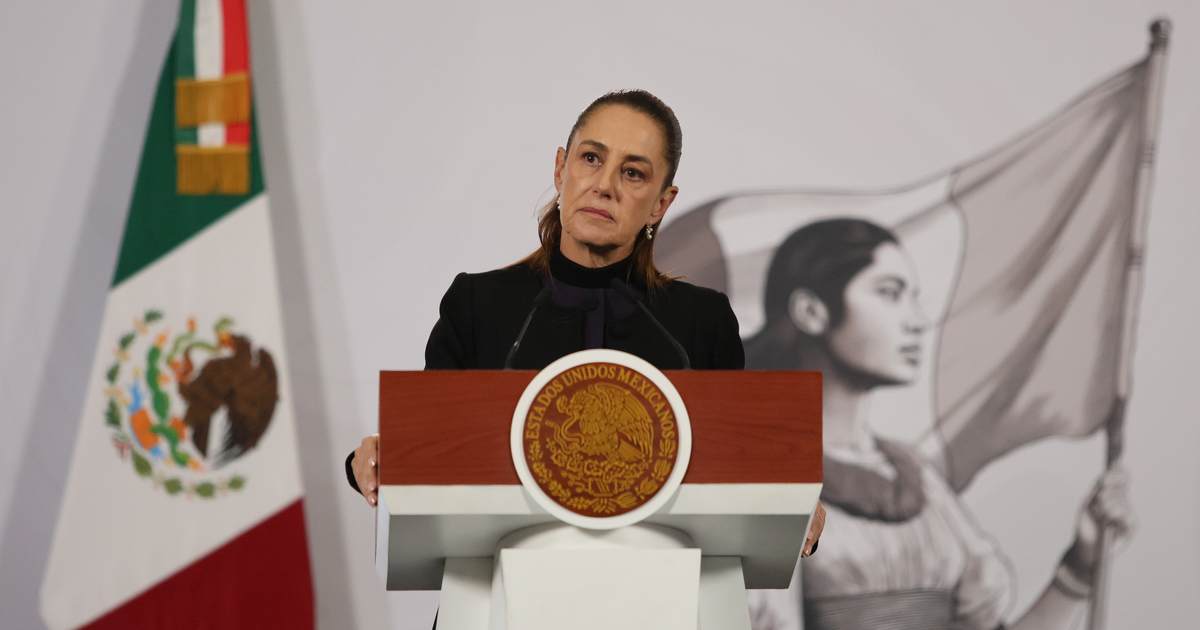
Cover image from pjmedia.com, which was analyzed for this article
Federal prosecutors indicted a Mexican state governor and associates tied to the Sinaloa cartel on drug trafficking charges in a major cross-border operation. The case exposes high-level corruption enabling narcotics flow into the US. It signals intensified US efforts against cartel influence in Mexican politics.
PoliticalOS
Thursday, April 30, 2026 — Politics
The United States has directly accused a sitting Mexican governor and nine other officials of protecting and enabling the Sinaloa Cartel faction responsible for much of the fentanyl killing tens of thousands of Americans annually. Rocha Moya denies every allegation, calling the case an attack on Mexican sovereignty, while Mexico says it will conduct its own review before any extradition. The single most important reality is that this indictment escalates the conflict from targeting cartel operatives to charging the politicians allegedly shielding them — a move with profound implications for bilateral trust and the future of cross-border drug enforcement.
What outlets missed
Both outlets underplayed that this was a superseding indictment expanding a 2023 case rather than a wholly new investigation, diminishing the incremental nature of the charges. France 24 omitted Rocha Moya's direct denial and his affiliation with the ruling Morena party, which frames the political stakes in Mexico City. PJ Media mischaracterized Mexico's response by claiming officials confirmed "enough evidence" for extradition when the Foreign Ministry actually stated it would independently assess evidence under Mexican law; the piece also failed to note Mexico's announcement of its own parallel probe into the governor. Neither gave full detail on the specific kidnapping and murder charges against the former police commander involving a DEA source, nor the exact mechanics of how officials allegedly supplied state resources like police radios to the cartel.
US Indicts Mexican Governor for Partnering with Sinaloa Cartel
The United States Department of Justice has unsealed an indictment charging the governor of Sinaloa state and nine other current or former Mexican officials with running protection rackets for the Sinaloa Cartel’s “Los Chapitos” faction. The 34-page filing in the Southern District of New York accuses the defendants of accepting millions in bribes to shield cartel operations, leak law-enforcement intelligence, and place state resources at the traffickers’ disposal.
Rubén Rocha Moya, the sitting governor of Sinaloa and a member of President Claudia Sheinbaum’s Morena party, stands at the center of the case. Federal prosecutors describe Sinaloa as the geographic epicenter of the global narcotics trade. Rocha Moya and his co-defendants are alleged to have helped move enormous shipments of fentanyl, heroin, cocaine, and methamphetamine across the U.S. border. The indictment alleges the arrangement was not occasional corruption but a sustained partnership in which public authority was rented out to criminal enterprise.
The charges reach deep into Mexican institutions. Among those indicted are the mayor of Culiacán, a sitting senator, and the deputy attorney general for the Sinaloa State Attorney General’s Office. One defendant, Juan Valenzuela Millan, a former senior commander in the Culiacán municipal police known locally as “Juanito,” faces additional counts for the kidnapping and murder of a DEA confidential source and the source’s relative. Prosecutors say the victims were handed over to cartel members after Valenzuela Millan allegedly used his official position to locate them.
All defendants face potential life sentences. Most carry a mandatory minimum of 40 years. Valenzuela Millan faces a mandatory life term.
The case arrives as the Trump administration has made cartel violence and fentanyl trafficking a central focus of its border and national-security policy. Officials in Washington have repeatedly expressed frustration with the level of cooperation from Mexican authorities, even as overdose deaths tied to cartel-produced fentanyl continue to claim American lives. The indictment underscores a basic reality: when senior elected and law-enforcement figures allegedly become business partners with traffickers, the machinery of the state itself begins to operate in service of criminal supply chains.
Sinaloa state has long been the headquarters of the cartel that bears its name. The organization’s “Los Chapitos” faction, led by the sons of Joaquín Guzmán Loera, has specialized in the industrial-scale manufacture and distribution of synthetic opioids. Those drugs cross the border in forms ranging from pressed pills to pure powder, reaching American cities through established distribution networks. The human cost is measured in the hundreds of thousands of overdose deaths recorded over the past decade, many involving fentanyl that originated in clandestine laboratories protected by the very officials now charged.
The breadth of the indictment, covering a governor, a senator, a mayor, and senior prosecutors and police commanders, suggests a level of institutional capture that extends far beyond a few bad apples. According to the charging document, the defendants provided active countermeasures against both Mexican and American law enforcement. They allegedly tipped off cartel leaders about impending operations, deployed state police vehicles and encrypted radios for cartel use, and ensured that local investigations went nowhere. In return, prosecutors say, suitcases of cash changed hands on a regular basis.
The political context is unavoidable. Rocha Moya belongs to the Morena party founded by former President Andrés Manuel López Obrador, whose “hugs, not bullets” approach to cartel violence drew sharp criticism from law-and-order advocates on both sides of the border. That policy emphasized social programs over direct confrontation with organized crime. Whether the approach contributed to the consolidation of cartel power is a matter of intense debate in Mexico. What the indictment makes clear is that, at least in Sinaloa, elements of the state government moved beyond mere non-confrontation into alleged active collusion.
Mexican officials have yet to mount a detailed public defense of the accused. Past cases involving high-level corruption have often produced denials framed as resistance to foreign interference. The Trump administration, however, has signaled it will pursue these cases regardless of diplomatic friction. The unsealing of the indictment on April 30 follows months of increased pressure on cartel financial networks and precursor chemical shipments from China that supply the fentanyl labs.
For American law enforcement, the case represents both an opportunity and a warning. The opportunity lies in dismantling a network that allegedly reached the highest levels of a key Mexican state government. The warning is that the institutions charged with suppressing drug trafficking had, in this instance, been substantially compromised by it. Successful prosecution will require solid evidence and witness testimony that can withstand the inevitable claims of political persecution.
The indictment also highlights the limits of relying solely on foreign governments to secure the U.S. southern border. When governors, senators, and police commanders stand accused of running interference for the same organizations flooding American streets with lethal drugs, the logic of “partnership” with those governments comes under strain. Prosecuting the individuals involved is one necessary step. Recognizing the depth of the problem they illustrate is another.
As the case proceeds in federal court in New York, it will test whether the American justice system can effectively reach across the border to impose accountability where local institutions have failed. The stakes are measured not only in potential prison terms but in the continued flow of poison into communities across the United States. For now, the Department of Justice has placed some of Mexico’s most powerful officials on notice: protection fees collected from the fentanyl trade may eventually come with a very high price tag.
You just read Conservative's take. Want to read what actually happened?
More in Politics
Trump at 32% Approval as Gas Prices Test GOP Midterm Hopes
NYT/Siena polling showed Trump's approval at historic lows around 32 percent with Democrats leading by double digits in key districts. Early voting has surged in battleground states.

Record Early Voting Hits Battlegrounds, Shifting Partisan Shares
AP analysis found hundreds of thousands more early ballots than in 2022 in states including Texas, Ohio, Kansas, Maine, and North Carolina, shifting partisan dynamics.
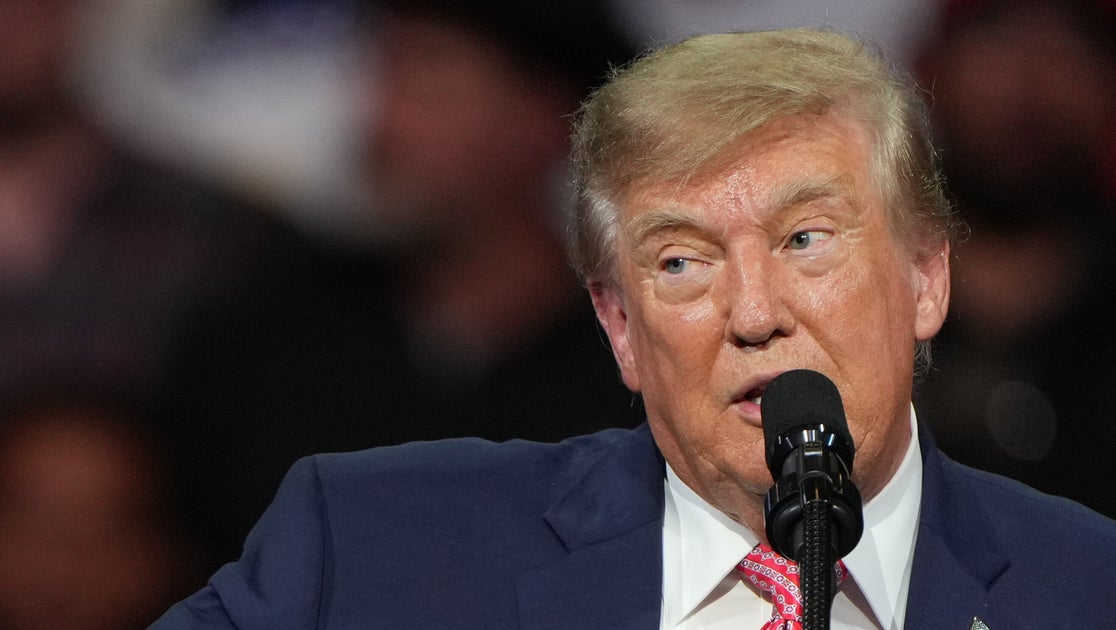
Trump Backs Marshall in Kansas Senate Race Tightened by Farm Costs
President Trump rallied in deep-red Kansas for GOP Sen. Roger Marshall in a competitive race, announcing an $8 billion farm fuel relief program amid high diesel prices. Democrats see an opening to end 94 years of GOP dominance in the state.

Trump Pauses Russia Sanctions Amid Ukraine Tensions and Missile Strikes
Trump waived sanctions on Russia and floated trilateral talks with Putin and Xi as part of ending the Ukraine war, while tensions rose with Zelenskyy over Starlink and arms. Bipartisan senators engaged Zelenskyy amid the shifts.
The Compass
You just read five takes on one story.
What's your take? Find your political shape in a few minutes.
Take the test