
US Charges Sinaloa Governor with Aiding Cartel Fentanyl Pipeline
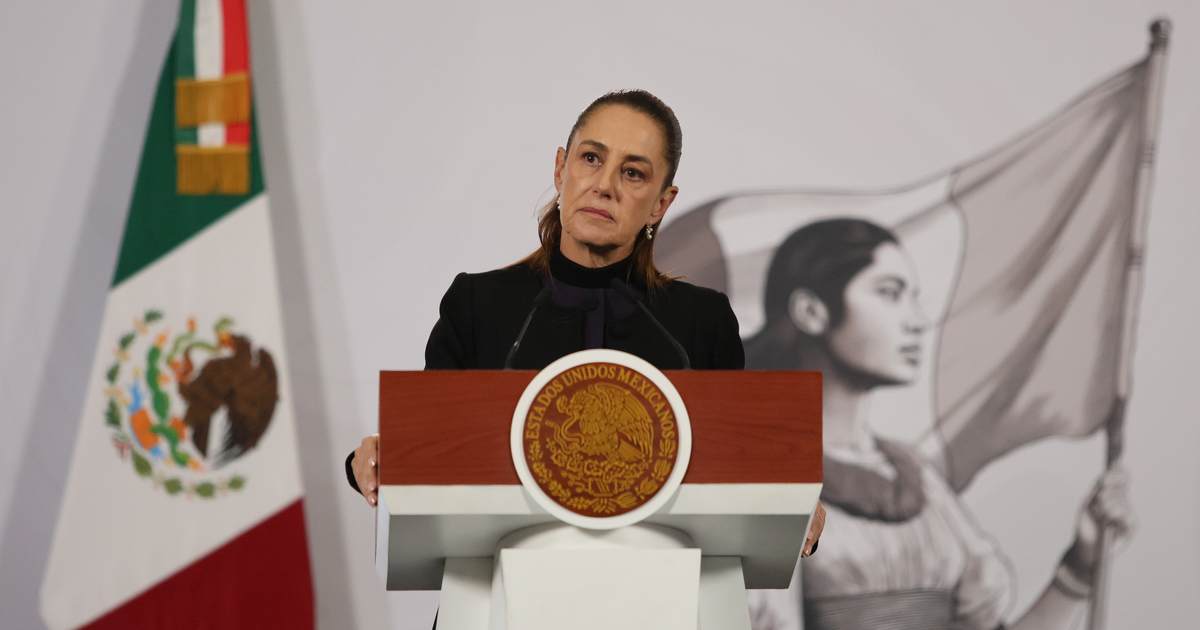
Cover image from pjmedia.com, which was analyzed for this article
Federal prosecutors indicted a Mexican state governor and associates tied to the Sinaloa cartel on drug trafficking charges in a major cross-border operation. The case exposes high-level corruption enabling narcotics flow into the US. It signals intensified US efforts against cartel influence in Mexican politics.
PoliticalOS
Thursday, April 30, 2026 — Politics
The United States has directly accused a sitting Mexican governor and nine other officials of protecting and enabling the Sinaloa Cartel faction responsible for much of the fentanyl killing tens of thousands of Americans annually. Rocha Moya denies every allegation, calling the case an attack on Mexican sovereignty, while Mexico says it will conduct its own review before any extradition. The single most important reality is that this indictment escalates the conflict from targeting cartel operatives to charging the politicians allegedly shielding them — a move with profound implications for bilateral trust and the future of cross-border drug enforcement.
What outlets missed
Both outlets underplayed that this was a superseding indictment expanding a 2023 case rather than a wholly new investigation, diminishing the incremental nature of the charges. France 24 omitted Rocha Moya's direct denial and his affiliation with the ruling Morena party, which frames the political stakes in Mexico City. PJ Media mischaracterized Mexico's response by claiming officials confirmed "enough evidence" for extradition when the Foreign Ministry actually stated it would independently assess evidence under Mexican law; the piece also failed to note Mexico's announcement of its own parallel probe into the governor. Neither gave full detail on the specific kidnapping and murder charges against the former police commander involving a DEA source, nor the exact mechanics of how officials allegedly supplied state resources like police radios to the cartel.
Trump Administration Unseals Sweeping Indictment Against Mexican Governor and Cartel Allies
The Department of Justice under President Donald Trump has delivered a stark message to the Mexican political class and the savage narco empires it has long tolerated. On Wednesday federal prosecutors in the Southern District of New York unsealed a 34-page indictment charging Rubén Rocha Moya, the sitting governor of Sinaloa, along with nine other current and former high-ranking Mexican officials, with partnering directly with the Sinaloa Cartel to flood the United States with fentanyl, heroin, cocaine, and methamphetamine.
Sinaloa is not some remote province. It is, in the Justice Department’s own words, the geographic epicenter of the global narcotics trade. From its fertile valleys and Pacific ports the cartel moves industrial quantities of poison northward, much of it destined for American streets and American veins. Rocha Moya, a member of the left-wing Morena party that produced both Andrés Manuel López Obrador and current President Claudia Sheinbaum, now stands accused of taking millions in bribes to shield that operation. According to the indictment, he and his co-defendants gave the cartel active protection from prosecution, leaked sensitive law-enforcement intelligence, and placed official state resources, including police vehicles and encrypted radios, at the disposal of narco gunmen.
The list of defendants reads like a roster of the Mexican state’s upper crust in the cartel heartland. It includes the mayor of Culiacán, Sinaloa’s capital and a city that has become synonymous with narco power. A sitting Mexican senator is charged. So is the deputy attorney general for the Sinaloa State Attorney General’s Office. One name stands out for particular brutality: Juan Valenzuela Millan, known as “Juanito,” a former high-level commander in the Culiacán municipal police. Prosecutors say he kidnapped a confidential DEA source and the source’s relative, then handed both men over to the cartel. Their bodies were later found murdered. For that crime Juanito faces a mandatory life sentence. The others face life in prison with a mandatory minimum of forty years.
The faction at the center of the conspiracy is “Los Chapitos,” the faction led by the sons of Joaquín “El Chapo” Guzmán. Far from having been crippled by their father’s extradition and conviction, the sons have reportedly thrived with the help of officials who were supposed to be fighting them. The indictment describes a seamless partnership: politicians and police commanders on the payroll, state vehicles used as cover for drug runs, advance warning of raids so the cartel could melt away or ambush pursuing forces. This is not mere corruption. It is institutional capture.
For years Americans have watched the body count climb at home while officials in both Washington and Mexico City offered platitudes about cooperation. Fentanyl, much of it manufactured in clandestine labs under the Sinaloa Cartel’s control, has killed hundreds of thousands of Americans, with the death rate still rising in many communities. Entire towns in the Midwest and Appalachia have been hollowed out. Parents bury children who took what they thought was a prescription pill but was actually a cartel product laced with poison. Meanwhile, Mexican politicians issued statements of concern and then returned to business as usual with the men who control the plazas.
The Trump administration’s decision to indict a sitting governor and sitting legislators is a break from that pattern. It signals that Washington no longer intends to treat the Mexican state as a reliable partner when elements of that state are in open partnership with organizations that function as terrorist armies. The Sinaloa Cartel does not simply sell drugs. It controls territory, runs sophisticated financial networks, deploys military-grade weaponry, and murders with impunity on both sides of the border. When Mexican officials arm that machine with state intelligence and official vehicles, they become part of the enterprise.
Mexican authorities have shown little enthusiasm for handing any of these men over. That reluctance is itself instructive. The same political movement that spent years lecturing Washington about supposed Yankee imperialism now finds its own officials charged with enabling the very violence that spills across the border. The silence from Mexico City so far has been telling. No fiery denunciations of sovereignty, at least not yet. Perhaps the evidence is simply too overwhelming.
The practical effect of the indictment remains to be seen. Arrests inside Mexico are unlikely without cooperation that has not been forthcoming in the past. But the legal pressure is now enormous. Every defendant faces the prospect of spending the rest of his life in an American prison. That fact alone may concentrate the minds of other officials still on the cartel payroll. It also sends a message to the Mexican electorate that the cozy arrangements between politicians and narcos have not gone unnoticed in Washington.
For American families who have lost loved ones to fentanyl, the indictment is cold comfort. Justice delayed is justice denied, and the delay has been measured in decades and in body bags. Yet it is also a recognition, finally, that the problem is not simply one of border security. The enemy has allies inside Mexican statehouses and police departments. Until those allies are confronted, dismantled, and imprisoned, the flow of poison will continue.
The Justice Department has described the Sinaloa Cartel as a ruthless criminal organization that treats human life as an inconvenience. The evidence laid out in this indictment suggests that description applies equally to some of the Mexican officials sworn to restrain it. Americans have every right to expect their government to treat this alliance with the seriousness it deserves. So far, the Trump administration appears willing to do exactly that. Whether Mexican authorities will match that seriousness, or continue to shield their own, will determine how many more Americans die in the months and years ahead.
You just read America First's take. Want to read what actually happened?
More in Politics
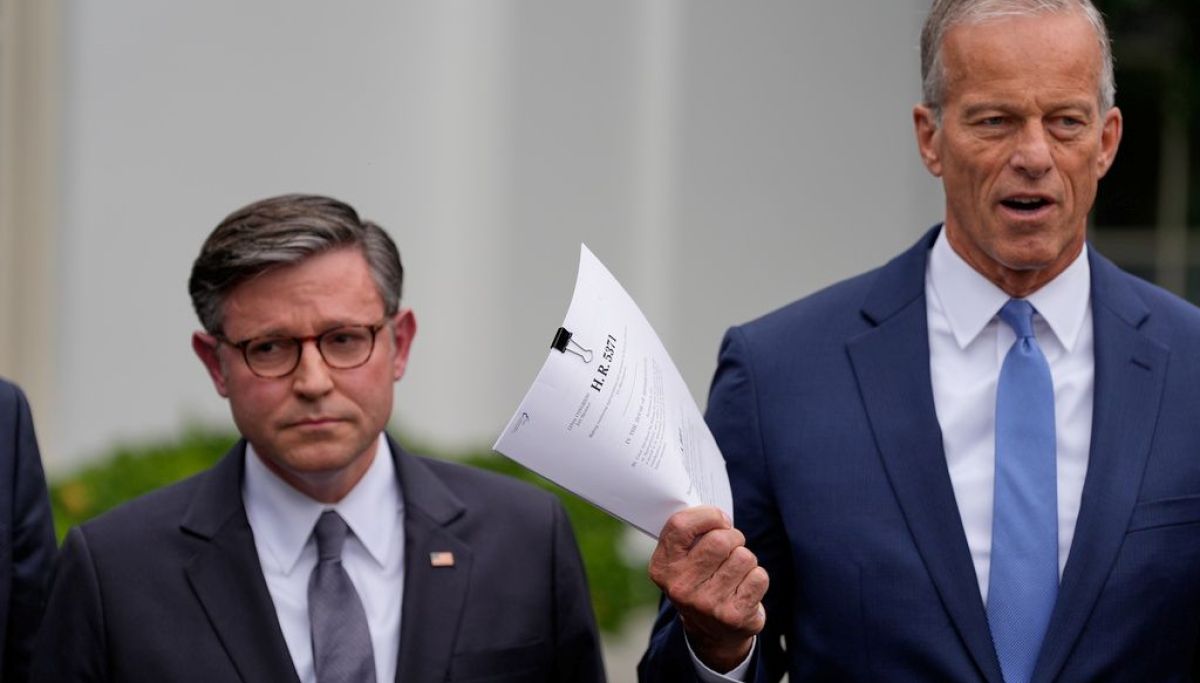
Trump at 32% Approval as Gas Prices Test GOP Midterm Hopes
NYT/Siena polling showed Trump's approval at historic lows around 32 percent with Democrats leading by double digits in key districts. Early voting has surged in battleground states.

Record Early Voting Hits Battlegrounds, Shifting Partisan Shares
AP analysis found hundreds of thousands more early ballots than in 2022 in states including Texas, Ohio, Kansas, Maine, and North Carolina, shifting partisan dynamics.
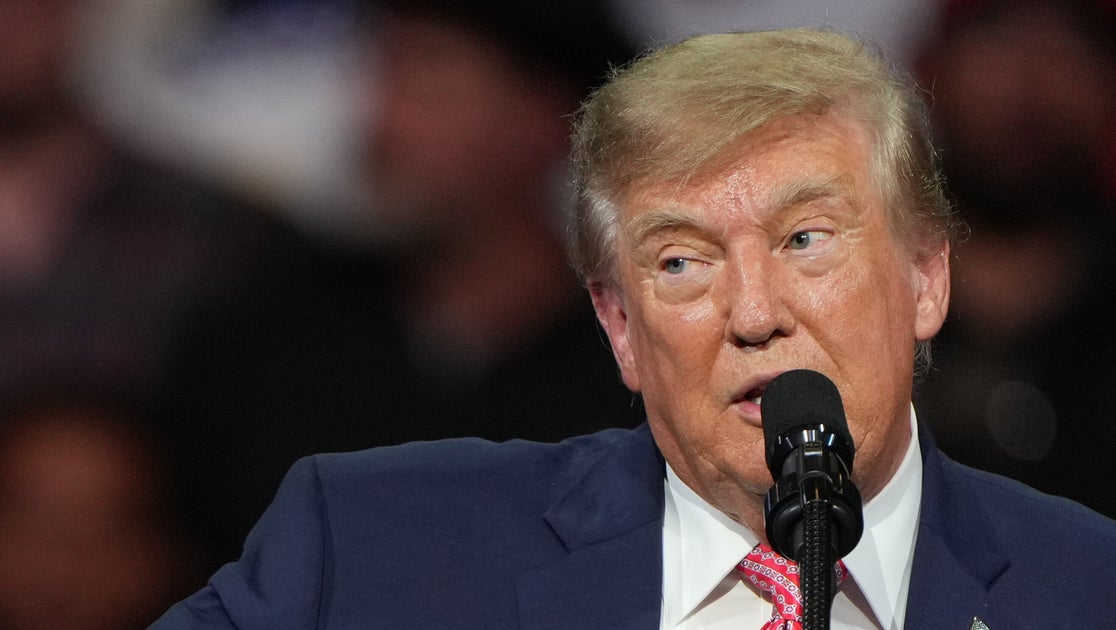
Trump Backs Marshall in Kansas Senate Race Tightened by Farm Costs
President Trump rallied in deep-red Kansas for GOP Sen. Roger Marshall in a competitive race, announcing an $8 billion farm fuel relief program amid high diesel prices. Democrats see an opening to end 94 years of GOP dominance in the state.

Trump Pauses Russia Sanctions Amid Ukraine Tensions and Missile Strikes
Trump waived sanctions on Russia and floated trilateral talks with Putin and Xi as part of ending the Ukraine war, while tensions rose with Zelenskyy over Starlink and arms. Bipartisan senators engaged Zelenskyy amid the shifts.
The Compass
You just read five takes on one story.
What's your take? Find your political shape in a few minutes.
Take the test