
US Charges Sinaloa Governor with Aiding Cartel Fentanyl Pipeline
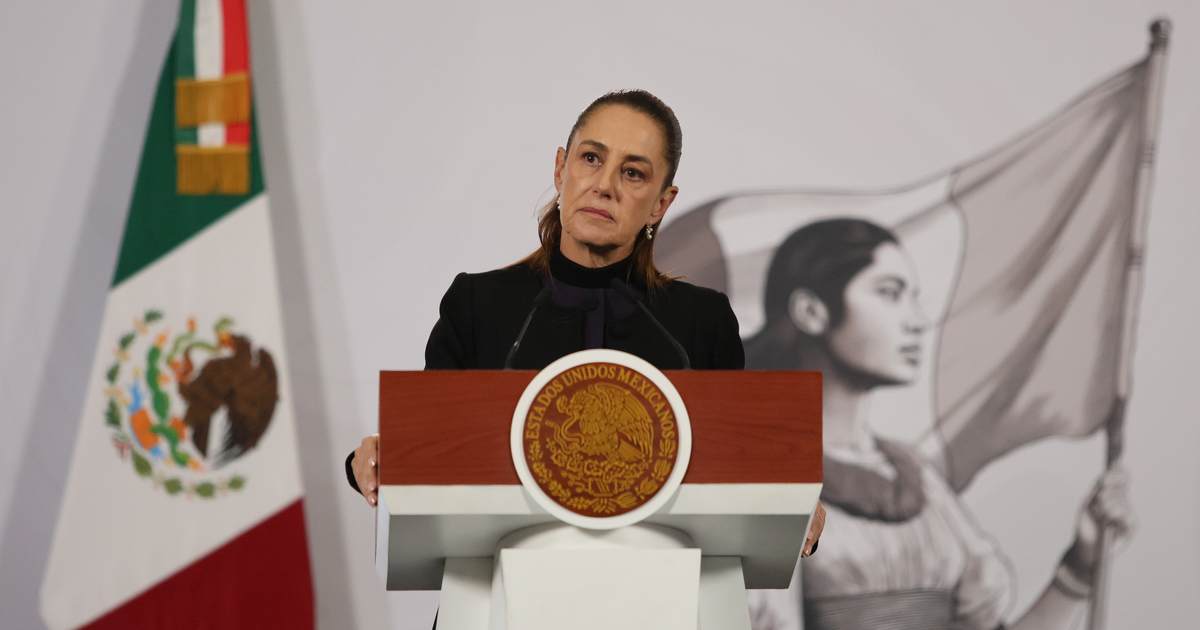
Cover image from pjmedia.com, which was analyzed for this article
Federal prosecutors indicted a Mexican state governor and associates tied to the Sinaloa cartel on drug trafficking charges in a major cross-border operation. The case exposes high-level corruption enabling narcotics flow into the US. It signals intensified US efforts against cartel influence in Mexican politics.
PoliticalOS
Thursday, April 30, 2026 — Politics
The United States has directly accused a sitting Mexican governor and nine other officials of protecting and enabling the Sinaloa Cartel faction responsible for much of the fentanyl killing tens of thousands of Americans annually. Rocha Moya denies every allegation, calling the case an attack on Mexican sovereignty, while Mexico says it will conduct its own review before any extradition. The single most important reality is that this indictment escalates the conflict from targeting cartel operatives to charging the politicians allegedly shielding them — a move with profound implications for bilateral trust and the future of cross-border drug enforcement.
What outlets missed
Both outlets underplayed that this was a superseding indictment expanding a 2023 case rather than a wholly new investigation, diminishing the incremental nature of the charges. France 24 omitted Rocha Moya's direct denial and his affiliation with the ruling Morena party, which frames the political stakes in Mexico City. PJ Media mischaracterized Mexico's response by claiming officials confirmed "enough evidence" for extradition when the Foreign Ministry actually stated it would independently assess evidence under Mexican law; the piece also failed to note Mexico's announcement of its own parallel probe into the governor. Neither gave full detail on the specific kidnapping and murder charges against the former police commander involving a DEA source, nor the exact mechanics of how officials allegedly supplied state resources like police radios to the cartel.
US Indicts Sinaloa Governor in Cartel Corruption Case Exposing State Ties to Drug Trade
The Justice Department has charged the governor of Sinaloa state and nine other current or former Mexican officials with partnering with a faction of the Sinaloa Cartel to move vast quantities of fentanyl, heroin, cocaine and methamphetamine into the United States. The 34-page indictment unsealed Wednesday in the Southern District of New York describes a level of alleged collusion that reaches the highest tiers of state government in the region most responsible for the narcotics that have driven the deadliest drug crisis in American history.
Rubén Rocha Moya, the sitting governor of Sinaloa and a member of President Claudia Sheinbaum’s Morena party, is accused of accepting millions of dollars in bribes in exchange for shielding cartel members from prosecution, leaking sensitive law-enforcement information, and directing state resources such as police vehicles and communication equipment to support trafficking operations. The indictment portrays Sinaloa, the Pacific coast state that produced Joaquín “El Chapo” Guzmán, as the geographic center of the global narcotics trade. The defendants are alleged to have worked specifically with the “Los Chapitos” faction led by Guzmán’s sons.
Also charged are the mayor of Culiacán, a sitting Mexican senator, the deputy attorney general for the Sinaloa State Attorney General’s Office, and several other senior law-enforcement figures. One of them, Juan Valenzuela Millan, a former high-ranking commander in the Culiacán municipal police known locally as “Juanito,” faces additional charges connected to the kidnapping and murder of a confidential DEA source and that source’s relative. Prosecutors say the victims were turned over to cartel gunmen after Valenzuela allegedly facilitated their abduction.
The charges carry potential life sentences. All but Valenzuela face a mandatory minimum of 40 years if convicted; he faces mandatory life.
The case arrives at a moment of pronounced tension between Washington and Mexico City. The Trump administration has made cartel disruption a signature priority, using American indictments and sanctions as tools when bilateral law-enforcement cooperation has faltered. Mexican officials, including those from the ruling Morena movement, have long resisted direct U.S. intervention on their soil, arguing that it infringes on sovereignty. The indictment of a sitting governor from that same political party is likely to intensify those frictions.
The scale of the alleged conspiracy described in the indictment underscores a persistent structural problem. For years, analysts have documented how the Sinaloa Cartel has embedded itself within local and state institutions, using bribery, intimidation and the promise of protection to neutralize threats. When police commanders, prosecutors and elected executives are on the payroll, traditional interdiction efforts become theater. The document details how the accused allegedly provided the cartel with advance warning of raids, reassigned honest officers, and even used official government vehicles to move drug loads without interference.
The human stakes are difficult to overstate. Fentanyl produced in clandestine laboratories scattered across Sinaloa and neighboring states has transformed the American overdose epidemic. Synthetic opioids now account for the majority of the roughly 75,000 opioid-related deaths recorded annually in the United States in recent years. Much of the precursor chemicals arrive from China and are finished in Mexico before crossing the border in passenger vehicles or through smuggling tunnels. The profits fund an arms race that has turned parts of northern Mexico into zones of near-anarchic violence, displacing families and corrupting every layer of governance.
Mexican authorities have historically responded to such indictments by questioning the motives of U.S. prosecutors or dismissing the charges as politically motivated. Sheinbaum’s government, which took office after Andrés Manuel López Obrador’s six-year term, has continued the “hugs not bullets” approach that prioritizes social programs over direct confrontation with the cartels. Critics argue this strategy has allowed criminal organizations to consolidate power. The presence of a Morena governor at the center of this case will test whether that philosophy can survive the exposure of such high-level compromise.
For the United States, the indictment represents both a tactical victory and a strategic dilemma. American law enforcement has grown increasingly willing to indict foreign officials when cooperation breaks down, a pattern seen in earlier cases involving former Honduran and Guatemalan leaders. Yet indictments alone do not dismantle trafficking networks. Without functional Mexican institutions capable of arresting and trying their own corrupt officials, the cartels simply adapt, installing new protectors and continuing operations.
The timing is also notable. The charges come as Congress debates the future of U.S. counternarcotics assistance and as border enforcement remains a dominant political issue. Prosecutors emphasized in their announcement that the conspiracy directly fueled the flow of deadly drugs into American communities. The inclusion of weapons charges reflects the cartel’s reliance on smuggled American firearms that flow south in exchange for the narcotics heading north, completing a deadly circuit.
Whether these charges will lead to meaningful accountability remains uncertain. Extradition of a sitting Mexican governor would require unprecedented political will in Mexico City. Even if Rocha Moya and the others are eventually tried in U.S. courts, the underlying conditions that allow such corruption to flourish, weak rule of law, concentrated economic power in criminal hands, and the insatiable American demand for drugs, will remain.
The indictment offers a rare public look inside the machinery that sustains one of the world’s most sophisticated criminal enterprises. It reveals not merely individual wrongdoing but a systemic capture of state functions by the very organizations governments claim to oppose. For both countries, the case is less a turning point than a stark diagnostic image of how deeply the cartel problem has embedded itself in the institutions meant to contain it.
You just read Liberal's take. Want to read what actually happened?
More in Politics

Trump Defends Ramaswamy Ad Using Estranged Mother in Ohio Race
President Trump defended a GOP nominee's ad featuring a Democratic opponent's estranged mother, calling it powerful, while drawing criticism from some Republicans including Ohio Gov. Mike DeWine. The ad has sparked internal GOP tensions ahead of midterms.
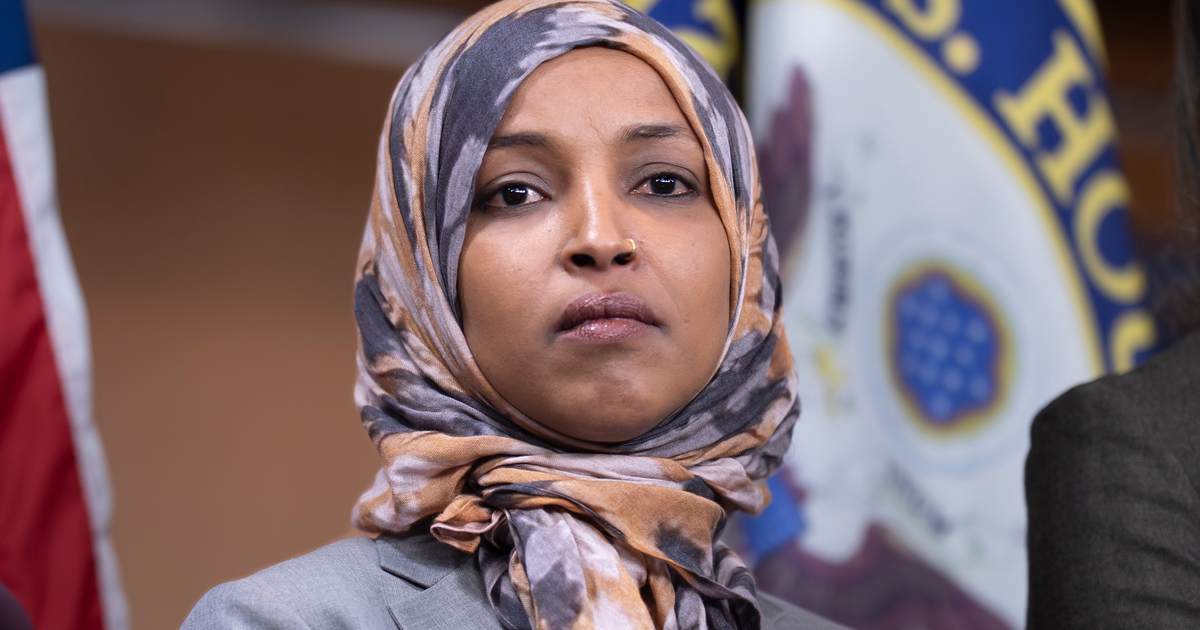
Federal Raid Targets Omar Amid Unresolved Name and Marriage Allegations
Agents searched Rep. Ilhan Omar's DC residence over immigration fraud allegations; she called it bizarre. Reports and commentary questioned her birth name and past marriage details.

Supreme Court Upholds New Hampshire Student ID Voting Ban
The Supreme Court upheld New Hampshire's ban on student IDs as valid voter identification just before midterms, affecting a tight Senate race.
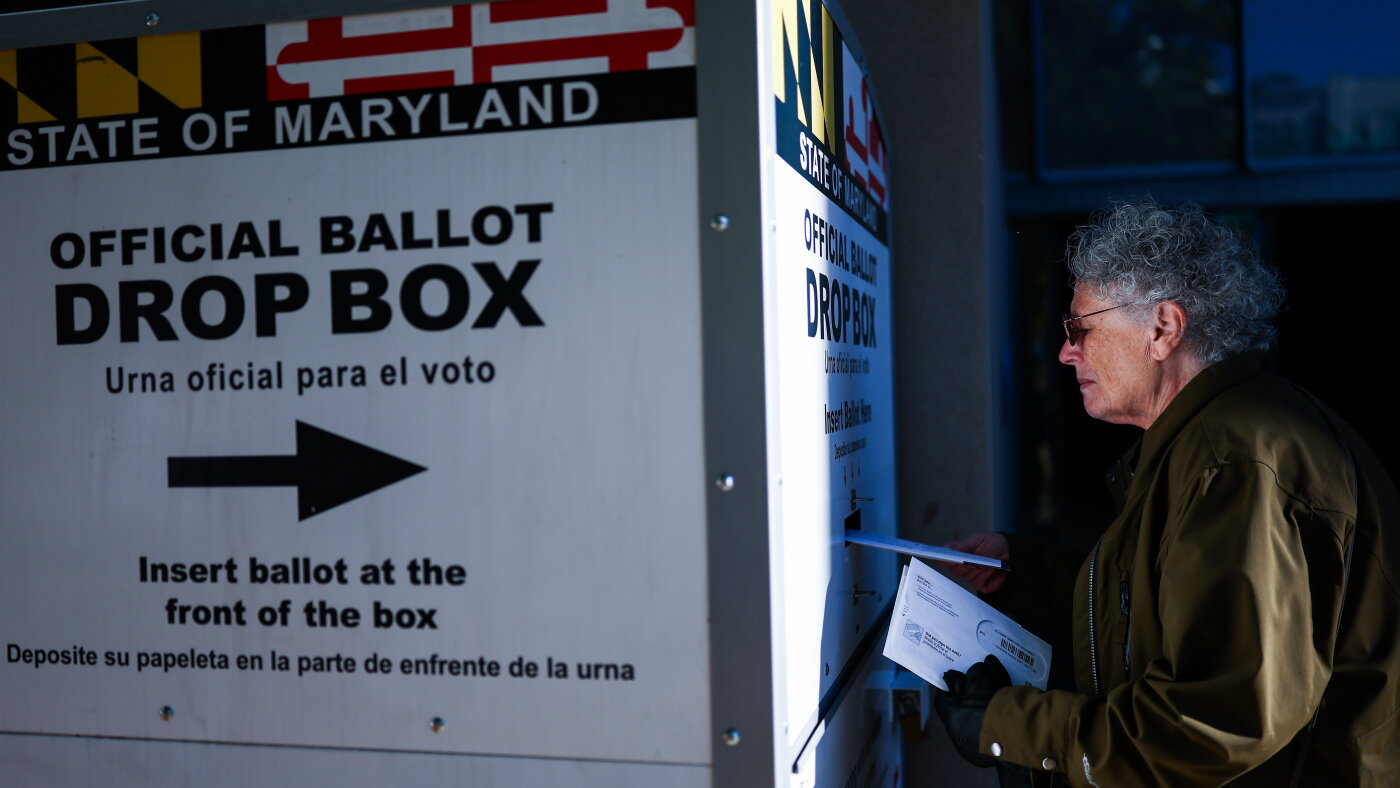
Early Voting Hits 21 Million as Most Trust Midterm Accuracy
Millions have already voted early as parties make final appeals amid $1.4 billion in ad spending; polls show confidence in election accuracy.
The Compass
You just read five takes on one story.
What's your take? Find your political shape in a few minutes.
Take the test