
Trump announces tentative US-Iran ceasefire, Strait reopening set for June 19

Cover image from cnbc.com, which was analyzed for this article
President Trump announced a tentative peace deal with Iran to end months of conflict, reopen the Strait of Hormuz, and lift the US naval blockade, with formal signing planned for June 19 in Switzerland. Coverage spans reactions from world leaders, oil price drops, and remaining nuclear talks. Outlets from across the spectrum highlight both relief and skepticism.
PoliticalOS
Sunday, May 24, 2026 — Politics
The announced framework halts active fighting and reopens a critical oil route, yet leaves the nuclear program, sanctions relief, and Israeli operations in Lebanon for further negotiation. Verification of core claims remains limited to statements from the parties involved.
What outlets missed
Most coverage omitted the scale of casualties—thousands killed, concentrated in Iran and Lebanon—since the conflict began on February 28. Few outlets examined the absence of any provisions on Iran’s ballistic missiles or proxy networks despite repeated US statements during the war that these were core targets. The reported $25 billion asset release and possible maritime fees were presented without noting that neither claim has been confirmed by US officials or independent verification.
Trump Reports Progress on Iran Deal to Reopen Strait of Hormuz
President Donald Trump announced Saturday that a memorandum of understanding with Iran has been largely negotiated, with the potential to reopen the Strait of Hormuz and ease a months-long energy disruption. The strait, a critical passage for global oil shipments, has been closed since US and Israeli forces launched strikes on Iran in late February.
Trump posted on Truth Social that final details were under discussion and would be announced shortly, following calls with leaders from Saudi Arabia, the United Arab Emirates, Qatar, Pakistan, Turkey, Egypt, Jordan, Bahrain and Israeli Prime Minister Benjamin Netanyahu. US Secretary of State Marco Rubio described the talks as showing significant progress, particularly regarding the strait.
Pakistani Prime Minister Shehbaz Sharif, whose government has mediated the discussions, said another round of negotiations could occur very soon. Pakistani Foreign Minister Ishaq Dar noted meaningful advances that offered grounds for optimism about a durable outcome. Pakistan's army chief has also played a central role in facilitating contacts.
The proposed framework reportedly centers on a 60-day ceasefire during which the strait would reopen without tolls. Iran would clear mines it placed in the waterway, while the US would lift its blockade of Iranian ports and ease some sanctions to allow limited oil sales. Iran would commit not to pursue nuclear weapons, though details on its existing enriched uranium stockpile would be addressed in later talks within 30 to 60 days. The US would also begin withdrawing forces from the region.
Iranian state media offered a more cautious picture. Fars News Agency, linked to the Islamic Revolutionary Guard Corps, reported that management of the strait would remain under Iranian control, with decisions on routes, timing and permits staying exclusively with Tehran. The agency called Trump's description of an imminent final agreement inconsistent with the exchanged drafts.
Oil markets have already felt the effects of the closure. Spot prices for crude have risen sharply, contributing to higher US inflation and drawing down global stockpiles at record rates, according to the International Energy Agency. Coordinated releases from strategic reserves and some rerouting of shipments have provided temporary relief, yet analysts warn that further depletion risks sharp price spikes and reduced consumption.
Israeli officials are scheduled to review the developments in a security cabinet meeting. Past patterns suggest that any agreement will require verification on nuclear restrictions and shipping access, as prior diplomatic efforts with Iran have produced uneven results.
The economic stakes remain high for energy-dependent economies worldwide, where sustained high prices have already strained supply chains and household budgets.
You just read Conservative's take. Want to read what actually happened?
More in Politics

Trump Defends Ramaswamy Ad Using Estranged Mother in Ohio Race
President Trump defended a GOP nominee's ad featuring a Democratic opponent's estranged mother, calling it powerful, while drawing criticism from some Republicans including Ohio Gov. Mike DeWine. The ad has sparked internal GOP tensions ahead of midterms.
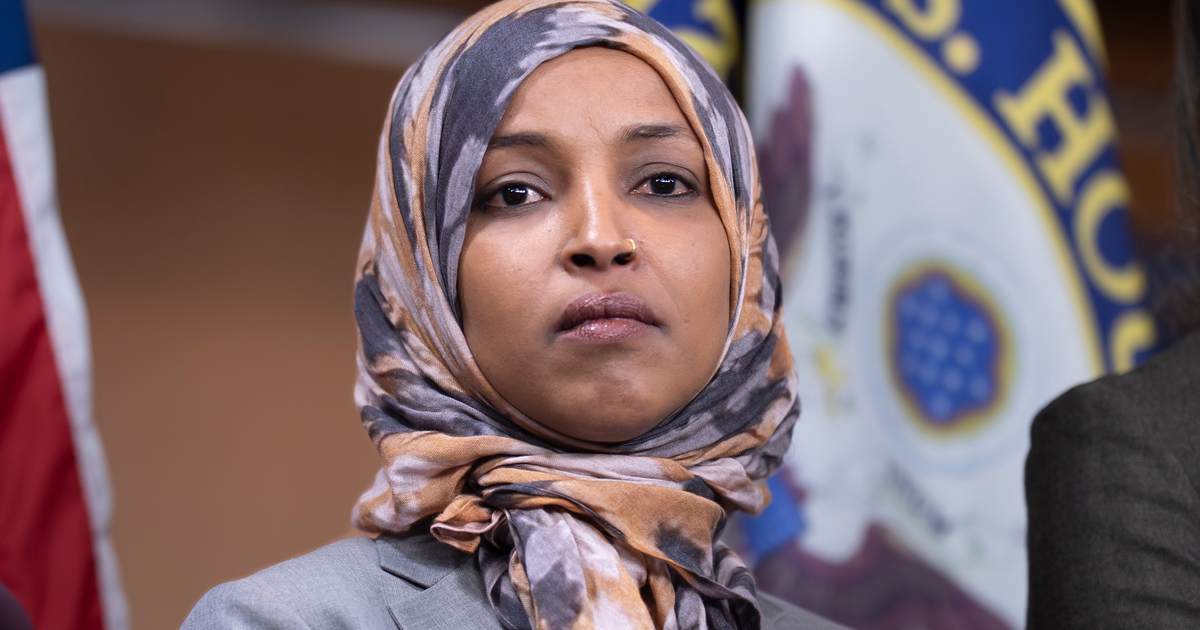
Federal Raid Targets Omar Amid Unresolved Name and Marriage Allegations
Agents searched Rep. Ilhan Omar's DC residence over immigration fraud allegations; she called it bizarre. Reports and commentary questioned her birth name and past marriage details.

Supreme Court Upholds New Hampshire Student ID Voting Ban
The Supreme Court upheld New Hampshire's ban on student IDs as valid voter identification just before midterms, affecting a tight Senate race.
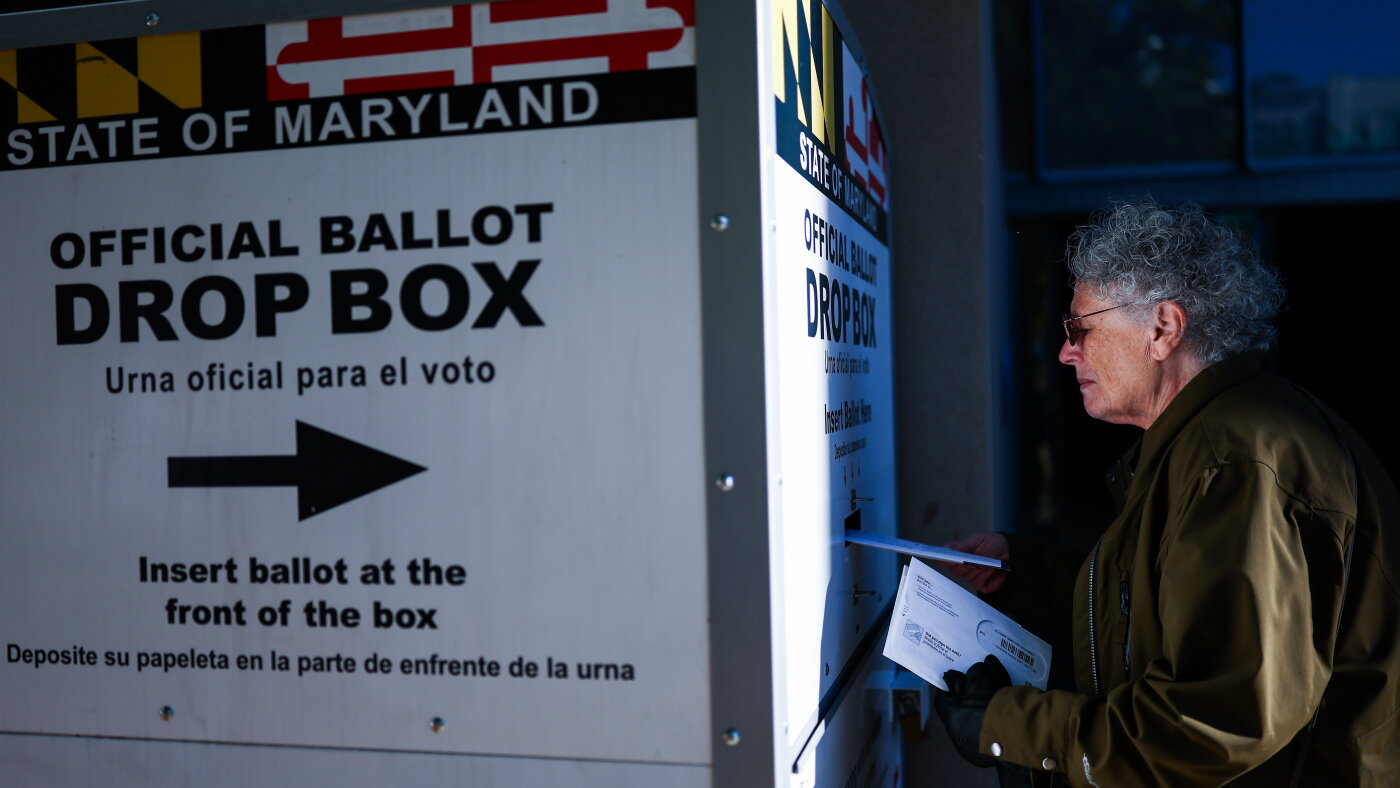
Early Voting Hits 21 Million as Most Trust Midterm Accuracy
Millions have already voted early as parties make final appeals amid $1.4 billion in ad spending; polls show confidence in election accuracy.
The Compass
You just read five takes on one story.
What's your take? Find your political shape in a few minutes.
Take the test