
Trump announces tentative US-Iran ceasefire, Strait reopening set for June 19

Cover image from cnbc.com, which was analyzed for this article
President Trump announced a tentative peace deal with Iran to end months of conflict, reopen the Strait of Hormuz, and lift the US naval blockade, with formal signing planned for June 19 in Switzerland. Coverage spans reactions from world leaders, oil price drops, and remaining nuclear talks. Outlets from across the spectrum highlight both relief and skepticism.
PoliticalOS
Sunday, May 24, 2026 — Politics
The announced framework halts active fighting and reopens a critical oil route, yet leaves the nuclear program, sanctions relief, and Israeli operations in Lebanon for further negotiation. Verification of core claims remains limited to statements from the parties involved.
What outlets missed
Most coverage omitted the scale of casualties—thousands killed, concentrated in Iran and Lebanon—since the conflict began on February 28. Few outlets examined the absence of any provisions on Iran’s ballistic missiles or proxy networks despite repeated US statements during the war that these were core targets. The reported $25 billion asset release and possible maritime fees were presented without noting that neither claim has been confirmed by US officials or independent verification.
Trump Says Major Deal With Iran Close as Hormuz Reopening Looms
President Donald Trump announced Saturday that a memorandum of understanding with Iran has been largely negotiated, potentially reopening the Strait of Hormuz and easing months of conflict that began with US and Israeli strikes in February. The development comes after Trump held calls with leaders from Saudi Arabia, the UAE, Qatar, Pakistan, Turkey, Egypt, Jordan, Bahrain and Israeli Prime Minister Benjamin Netanyahu to finalize terms.
Trump posted on his Truth Social platform that final aspects and details of the agreement would be announced shortly. The deal would lift the effective closure of the vital shipping lane, which Iran imposed in response to the military campaign. Pakistani Prime Minister Shehbaz Sharif, whose country has mediated talks, said another round of negotiations could happen very soon and described recent discussions as useful and productive.
Details emerging from US and Iranian sources indicate the memorandum would allow ships to transit the strait without tolls during a 60-day ceasefire period. Iran would remove mines it deployed and permit free passage. In exchange, the United States would end its blockade of Iranian ports and waive certain sanctions, enabling Tehran to resume oil sales. Reports also suggest Iran would commit never to pursue nuclear weapons and suspend uranium enrichment, though Iranian officials told media outlets that nuclear issues remain unsettled and would be addressed during the ceasefire window.
US Secretary of State Marco Rubio described significant progress in the talks and hinted at further positive developments regarding the strait. Pakistan's army chief Syed Asim Munir has played a central role in shuttling between the sides, alongside Foreign Minister Ishaq Dar, who noted meaningful advances that offer grounds for optimism.
Iranian state media, including Fars News Agency, pushed back against Trump's characterization. The outlet reported that management and permitting for passage through the strait would remain under Iranian control, calling Trump's statements inconsistent with the exchanged texts. Iranian officials have signaled caution on several fronts, including the future of Tehran's enriched uranium stockpile and the status of conflicts involving its regional allies.
The potential agreement arrives as global energy markets face mounting pressure from depleted oil stocks and rerouting challenges around the closed waterway. Economists have warned of risks to supply chains if the situation drags on, with prices already reflecting the strain. For American consumers, continued closure has contributed to higher costs at the pump amid broader inflation concerns.
Israeli leaders are set to review the proposed terms in a security cabinet meeting, with the outcome likely shaping whether the phased framework moves forward. While Trump has framed the talks as advancing toward peace, the history of broken commitments from Tehran suggests any final accord will require strict verification to hold.
You just read America First's take. Want to read what actually happened?
More in Politics
Trump at 32% Approval as Gas Prices Test GOP Midterm Hopes
NYT/Siena polling showed Trump's approval at historic lows around 32 percent with Democrats leading by double digits in key districts. Early voting has surged in battleground states.

Record Early Voting Hits Battlegrounds, Shifting Partisan Shares
AP analysis found hundreds of thousands more early ballots than in 2022 in states including Texas, Ohio, Kansas, Maine, and North Carolina, shifting partisan dynamics.
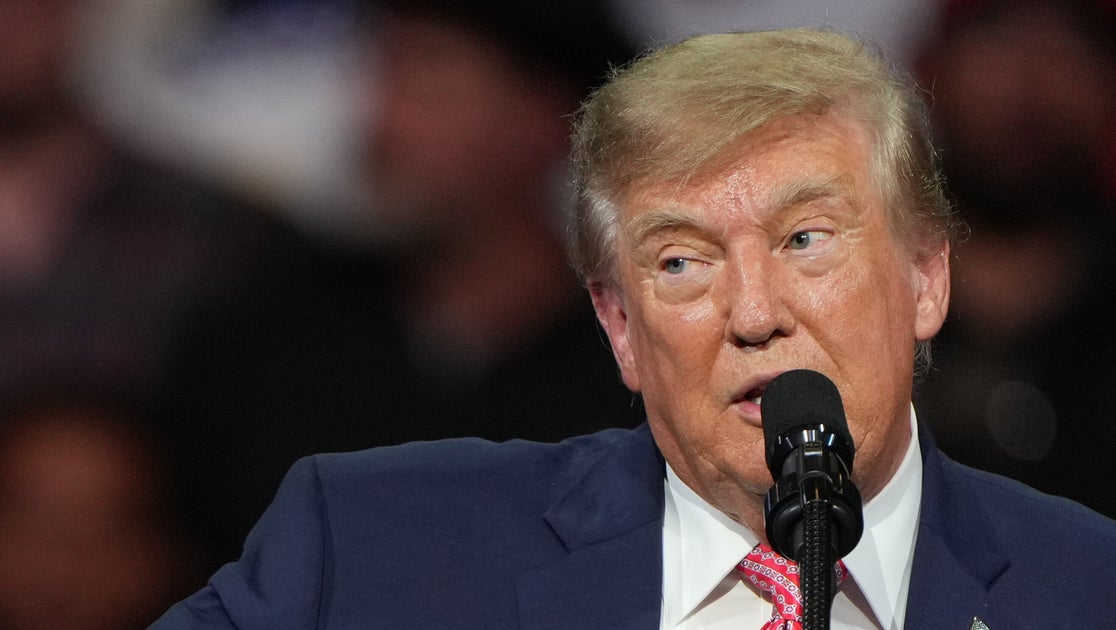
Trump Backs Marshall in Kansas Senate Race Tightened by Farm Costs
President Trump rallied in deep-red Kansas for GOP Sen. Roger Marshall in a competitive race, announcing an $8 billion farm fuel relief program amid high diesel prices. Democrats see an opening to end 94 years of GOP dominance in the state.

Trump Pauses Russia Sanctions Amid Ukraine Tensions and Missile Strikes
Trump waived sanctions on Russia and floated trilateral talks with Putin and Xi as part of ending the Ukraine war, while tensions rose with Zelenskyy over Starlink and arms. Bipartisan senators engaged Zelenskyy amid the shifts.
The Compass
You just read five takes on one story.
What's your take? Find your political shape in a few minutes.
Take the test