
Trump announces tentative US-Iran ceasefire, Strait reopening set for June 19

Cover image from cnbc.com, which was analyzed for this article
President Trump announced a tentative peace deal with Iran to end months of conflict, reopen the Strait of Hormuz, and lift the US naval blockade, with formal signing planned for June 19 in Switzerland. Coverage spans reactions from world leaders, oil price drops, and remaining nuclear talks. Outlets from across the spectrum highlight both relief and skepticism.
PoliticalOS
Sunday, May 24, 2026 — Politics
The announced framework halts active fighting and reopens a critical oil route, yet leaves the nuclear program, sanctions relief, and Israeli operations in Lebanon for further negotiation. Verification of core claims remains limited to statements from the parties involved.
What outlets missed
Most coverage omitted the scale of casualties—thousands killed, concentrated in Iran and Lebanon—since the conflict began on February 28. Few outlets examined the absence of any provisions on Iran’s ballistic missiles or proxy networks despite repeated US statements during the war that these were core targets. The reported $25 billion asset release and possible maritime fees were presented without noting that neither claim has been confirmed by US officials or independent verification.
Trump Says US-Iran Agreement Largely Negotiated to Reopen Strait of Hormuz
President Donald Trump announced Saturday that a memorandum of understanding with Iran has been largely negotiated, a step that could reopen the Strait of Hormuz and ease the energy disruptions that have followed three months of fighting between the United States, Israel and Iran. The statement came after Trump spoke with leaders from Saudi Arabia, the United Arab Emirates, Qatar, Pakistan, Turkey, Egypt, Jordan and Bahrain, as well as Israeli Prime Minister Benjamin Netanyahu.
The proposed agreement would mark the first formal pause in hostilities that began on February 28, when the United States and Israel launched strikes on Iranian targets. Iran responded by closing the Strait of Hormuz to most commercial traffic, cutting off a waterway that carries roughly one-fifth of global oil shipments. Spot prices for crude have risen sharply since the closure, and the International Energy Agency has warned that global inventories are being drawn down at an unsustainable rate. Several analysts now describe the risk of a sharper supply shock if stocks fall further.
According to reporting from multiple outlets that reviewed draft language, the memorandum would establish a 60-day ceasefire during which Iran would clear mines from the strait and allow ships to transit without paying tolls. In return, the United States would lift its naval blockade of Iranian ports and ease certain sanctions to permit limited oil exports. Iran would also commit not to pursue nuclear weapons. Negotiations over Iran’s existing stockpile of enriched uranium would be deferred to a later phase, to be completed within 30 to 60 days.
Pakistani officials have played a visible mediating role. Prime Minister Shehbaz Sharif said the next round of talks could occur “very soon,” and Army Chief Syed Asim Munir has held separate meetings with U.S. and Iranian counterparts. Secretary of State Marco Rubio described the progress as “significant,” though he offered few specifics beyond the possibility of movement on the strait itself.
Iranian reactions have been more guarded. The Fars news agency, which maintains close ties to the Islamic Revolutionary Guard Corps, reported that the latest draft leaves management of the strait under Iranian control, including the authority to set routes and issue permits. The agency described Trump’s characterization of an imminent final agreement as inconsistent with the text under discussion. Iranian officials have also indicated that any limits on the nuclear program remain subject to further bargaining and that Tehran expects the United States to withdraw forces from the region as part of a broader settlement.
Israeli Prime Minister Netanyahu is scheduled to convene his security cabinet Sunday evening to review the reported terms. Israeli officials have not yet commented publicly on whether the proposed arrangement addresses their core concerns about Iranian nuclear capabilities and regional proxy networks.
The economic backdrop has added urgency to the diplomacy. Record releases from strategic petroleum reserves and some rerouting of Gulf production through pipelines have so far prevented a complete supply collapse. Yet continued depletion of commercial stocks could trigger the kind of demand destruction that produces deeper and more persistent damage to global growth. A workable reopening of the strait would not instantly reverse those pressures, but it would remove the most immediate source of uncertainty.
Even if the memorandum is finalized, several structural issues remain unresolved. The status of Iran’s uranium enrichment infrastructure, the future of U.S. sanctions beyond the initial waivers, and the role of Iranian-backed groups in Lebanon and elsewhere are all expected to be addressed only after the initial 60-day period. Those questions have historically proved difficult to settle even in periods of lower regional tension.
For now, the immediate test is whether the two sides can convert the reported draft into a signed document that each can present to domestic audiences as consistent with their stated red lines.
You just read Liberal's take. Want to read what actually happened?
More in Politics
Trump at 32% Approval as Gas Prices Test GOP Midterm Hopes
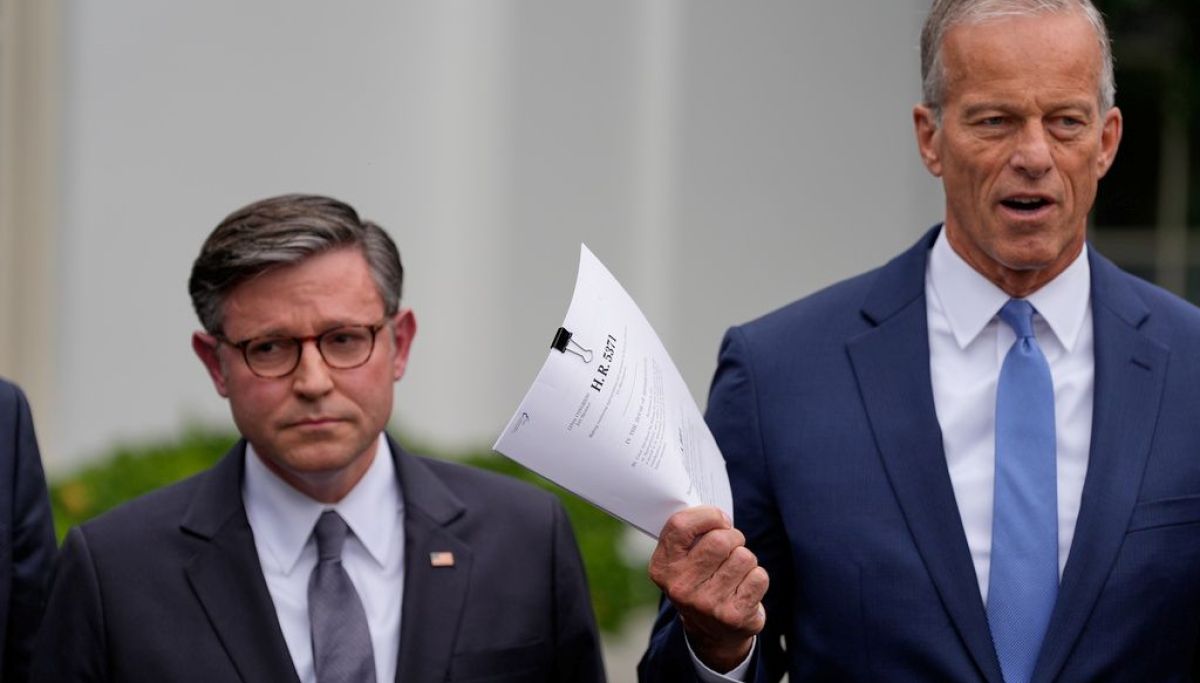
NYT/Siena polling showed Trump's approval at historic lows around 32 percent with Democrats leading by double digits in key districts. Early voting has surged in battleground states.

Record Early Voting Hits Battlegrounds, Shifting Partisan Shares
AP analysis found hundreds of thousands more early ballots than in 2022 in states including Texas, Ohio, Kansas, Maine, and North Carolina, shifting partisan dynamics.
Trump Backs Marshall in Kansas Senate Race Tightened by Farm Costs
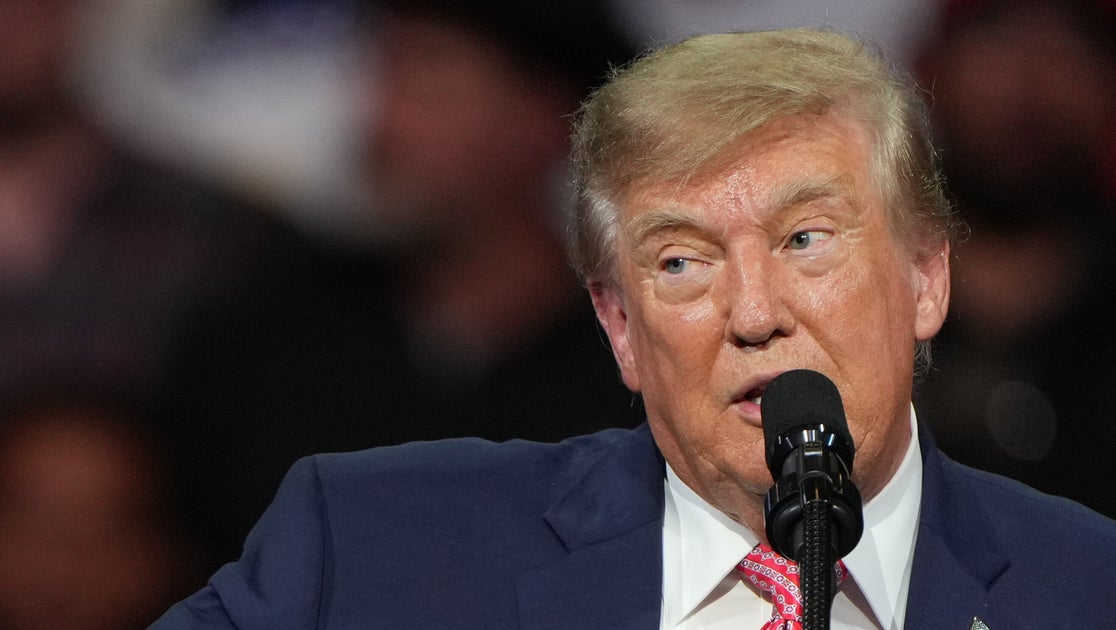
President Trump rallied in deep-red Kansas for GOP Sen. Roger Marshall in a competitive race, announcing an $8 billion farm fuel relief program amid high diesel prices. Democrats see an opening to end 94 years of GOP dominance in the state.

Trump Pauses Russia Sanctions Amid Ukraine Tensions and Missile Strikes
Trump waived sanctions on Russia and floated trilateral talks with Putin and Xi as part of ending the Ukraine war, while tensions rose with Zelenskyy over Starlink and arms. Bipartisan senators engaged Zelenskyy amid the shifts.
The Compass
You just read five takes on one story.
What's your take? Find your political shape in a few minutes.
Take the test