
Trump announces tentative US-Iran ceasefire, Strait reopening set for June 19

Cover image from cnbc.com, which was analyzed for this article
President Trump announced a tentative peace deal with Iran to end months of conflict, reopen the Strait of Hormuz, and lift the US naval blockade, with formal signing planned for June 19 in Switzerland. Coverage spans reactions from world leaders, oil price drops, and remaining nuclear talks. Outlets from across the spectrum highlight both relief and skepticism.
PoliticalOS
Sunday, May 24, 2026 — Politics
The announced framework halts active fighting and reopens a critical oil route, yet leaves the nuclear program, sanctions relief, and Israeli operations in Lebanon for further negotiation. Verification of core claims remains limited to statements from the parties involved.
What outlets missed
Most coverage omitted the scale of casualties—thousands killed, concentrated in Iran and Lebanon—since the conflict began on February 28. Few outlets examined the absence of any provisions on Iran’s ballistic missiles or proxy networks despite repeated US statements during the war that these were core targets. The reported $25 billion asset release and possible maritime fees were presented without noting that neither claim has been confirmed by US officials or independent verification.
Trump Claims Iran Deal Near but Skepticism Mounts Over Control of Key Waterway
Donald Trump announced on Saturday that a memorandum of understanding with Iran has been largely negotiated and would soon reopen the Strait of Hormuz, the vital shipping lane closed since the US and Israel began their military campaign against Tehran in February. The president posted on his Truth Social platform that final details were under discussion following calls with leaders from Saudi Arabia, the UAE, Qatar, Pakistan, Turkey, Egypt, Jordan, Bahrain and Israeli Prime Minister Benjamin Netanyahu.
Pakistani officials, who have served as mediators, echoed a measure of optimism. Prime Minister Shehbaz Sharif said another round of talks could occur very soon, while Foreign Minister Ishaq Dar described meaningful progress. US Secretary of State Marco Rubio likewise pointed to significant advances, hinting at further developments on the strait itself.
Yet Iranian state media moved quickly to challenge the American account. Fars News Agency, affiliated with the Islamic Revolutionary Guard Corps, reported that the latest draft leaves management of the strait, including routing, timing and permits, under Iranian control. The agency described Trump’s assertions as inconsistent with reality and stressed that Tehran would not cede authority over the waterway.
Reports from Axios and other outlets outlined elements under discussion. The draft reportedly calls for no tolls on shipping, the removal of mines placed by Iran, and the lifting of the US blockade on Iranian ports along with some sanctions relief to allow oil sales. In return, Iran would commit not to pursue nuclear weapons. However, Iranian officials told the New York Times that no agreement exists on the nuclear file and that any such talks would occur only during a proposed 60-day ceasefire period. Washington’s demand for the removal of Iran’s enriched uranium stockpile remains unresolved.
The three-month closure of the strait has already produced sharp economic strain. Spot crude prices have climbed roughly $100 a barrel, strategic reserves have been drawn down at record rates, and analysts warn that further depletion risks a disorderly market adjustment. The International Energy Agency has repeatedly flagged the pace of inventory losses, while rerouting and reduced Chinese imports have so far prevented an outright supply shock.
Israeli officials are scheduled to review the proposed terms in a security cabinet meeting Sunday evening. Netanyahu’s government has maintained a hard line throughout the conflict, and any final accord would require its acquiescence on security guarantees.
Despite the flurry of statements, core disputes persist over Iran’s nuclear program, the future role of Tehran-backed groups in Lebanon, and the precise terms of any ceasefire. Pakistani army chief Syed Asim Munir has shuttled between the parties, yet both sides continue to signal that substantial gaps remain. The coming days will test whether the latest round of diplomacy can bridge those differences or simply extend the pattern of competing claims.
You just read Progressive's take. Want to read what actually happened?
More in Politics
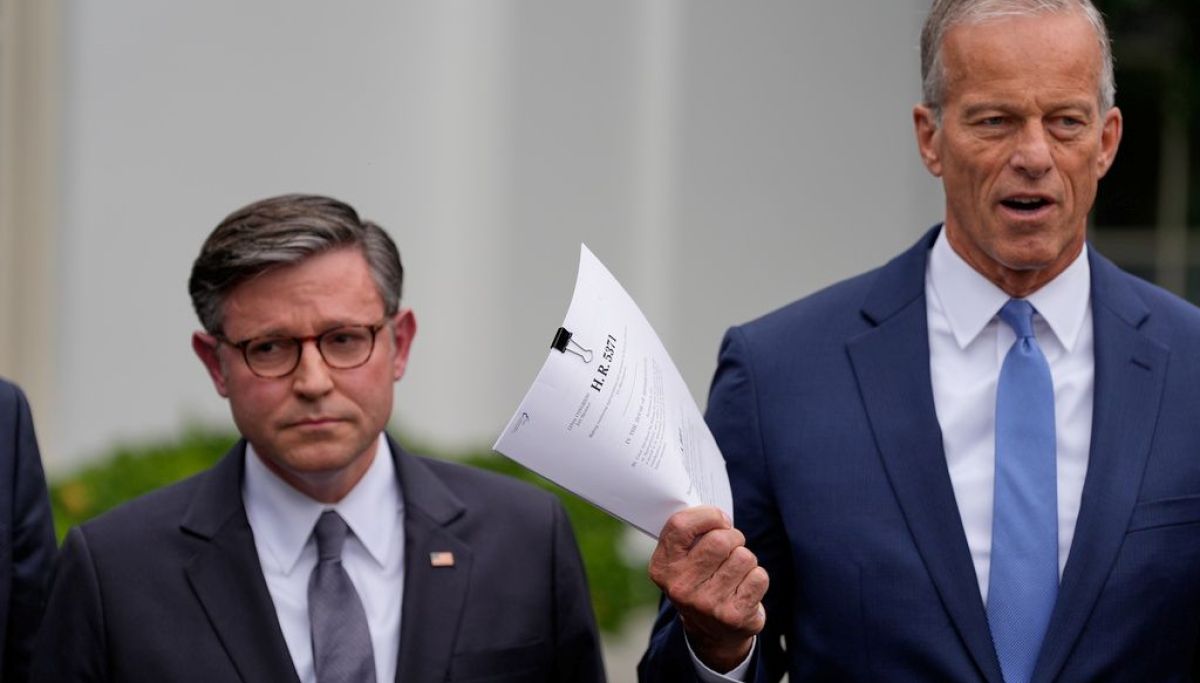
Trump at 32% Approval as Gas Prices Test GOP Midterm Hopes
NYT/Siena polling showed Trump's approval at historic lows around 32 percent with Democrats leading by double digits in key districts. Early voting has surged in battleground states.

Record Early Voting Hits Battlegrounds, Shifting Partisan Shares
AP analysis found hundreds of thousands more early ballots than in 2022 in states including Texas, Ohio, Kansas, Maine, and North Carolina, shifting partisan dynamics.
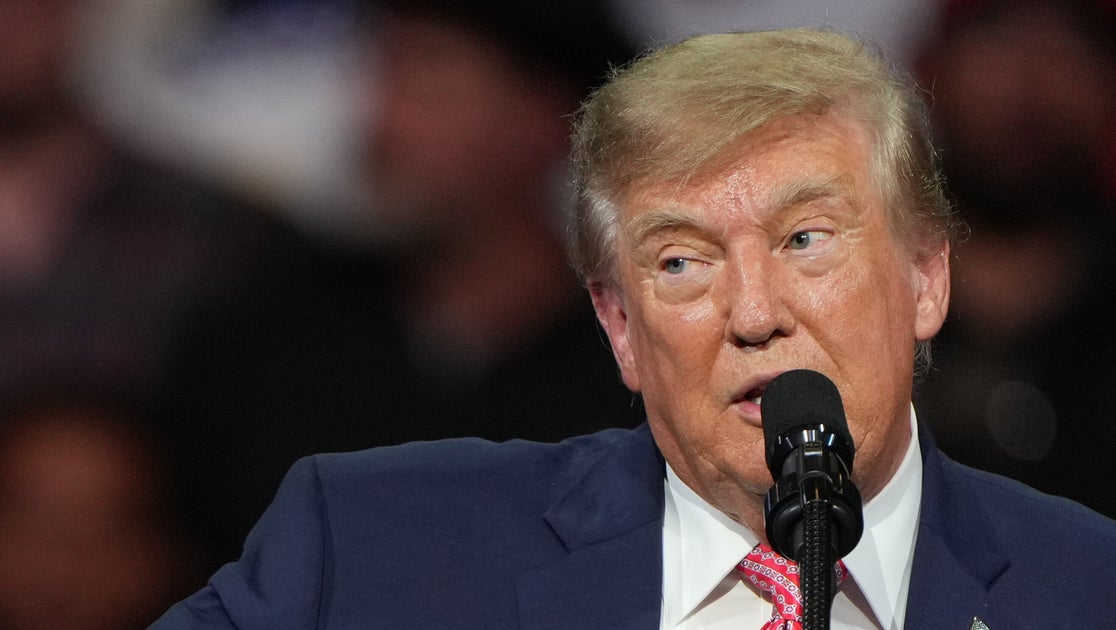
Trump Backs Marshall in Kansas Senate Race Tightened by Farm Costs
President Trump rallied in deep-red Kansas for GOP Sen. Roger Marshall in a competitive race, announcing an $8 billion farm fuel relief program amid high diesel prices. Democrats see an opening to end 94 years of GOP dominance in the state.

Trump Pauses Russia Sanctions Amid Ukraine Tensions and Missile Strikes
Trump waived sanctions on Russia and floated trilateral talks with Putin and Xi as part of ending the Ukraine war, while tensions rose with Zelenskyy over Starlink and arms. Bipartisan senators engaged Zelenskyy amid the shifts.
The Compass
You just read five takes on one story.
What's your take? Find your political shape in a few minutes.
Take the test