
US-Iran Ceasefire at Risk as Tanker Seizure Clouds Pakistan Talks
Cover image from huffpost.com, which was analyzed for this article
As the fragile ceasefire nears expiration, US and Iran gear up for talks in Pakistan potentially led by VP Vance, but escalation followed the US Navy's seizure of an Iranian tanker in the Strait of Hormuz. Iran vowed to defend itself and demanded release, while Trump threatened blockades without a deal. Suspicious trades linked to the war fueled insider speculation.
PoliticalOS
Tuesday, April 21, 2026 — Politics
The immediate trigger for potential ceasefire collapse is the U.S. seizure of the Touska, but the deeper impasse concerns whether Iran will accept verifiable limits on uranium enrichment and sanctions relief only after compliance. Diplomacy in Islamabad offers a narrow window before the truce expires; failure risks renewed strikes, prolonged closure of the Strait of Hormuz and oil prices climbing further. The single most important variable is whether both sides treat the Hormuz blockade and threatened 'new cards' as genuine leverage for compromise rather than prelude to escalation.
What outlets missed
Most accounts underplayed the six-hour series of radio warnings and disabling shots fired at the Touska’s engine room before seizure, details carried in U.S. military releases but rarely integrated into diplomatic narratives. Few noted the vessel’s ownership ties to a U.S.-sanctioned Iranian shipping line, a fact reported by specialized maritime outlets yet absent from general coverage. Balanced casualty reporting across all parties—U.S., Iranian, Israeli and Lebanese—was sporadic; many stories highlighted only one side’s losses. The existence of the first round of direct talks on April 11-12 and their specific breakdown over enrichment limits received only glancing treatment. Finally, the separate Israel-Lebanon truce timeline and its uncertain linkage to the U.S.-Iran deal was often compressed into a single paragraph or omitted entirely.
US Maintains Pressure as Iran Signals Reluctance Ahead of Islamabad Ceasefire Deadline
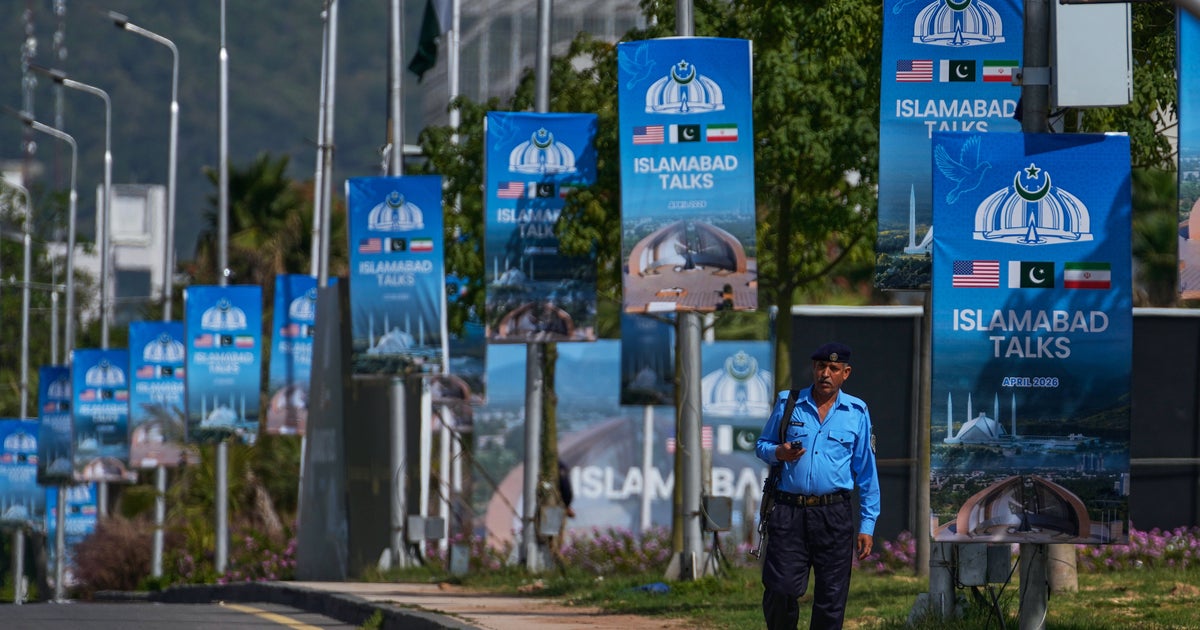
ISLAMABAD — Pakistani authorities continued logistical preparations Tuesday for a second round of direct talks between American and Iranian officials, even as Tehran’s participation appeared uncertain and a fragile two-week ceasefire approached its expiration. The meetings, if they occur, are expected to begin as early as Wednesday at the Serena Hotel, where police and security forces have already cordoned off surrounding areas and erected billboards welcoming the delegations.
The United States has confirmed that Vice President JD Vance will lead its team. Iranian state television, however, broadcast a denial that any official delegation had arrived, and Foreign Ministry spokesman Esmail Baghaei described Washington’s approach as lacking seriousness. Parliament Speaker Mohammad Bagher Qalibaf, who had been expected to head the Iranian side, issued a sharply worded statement accusing the United States of imposing a siege and violating the truce. He warned that Tehran had prepared “new cards on the battlefield” that it had not yet played.
The ceasefire, announced on April 8 following a month of open conflict that began Feb. 28, was always understood to be temporary. President Donald Trump set a firm deadline of Wednesday evening Washington time for progress toward a permanent agreement. In interviews and posts on Truth Social, Trump repeatedly emphasized that he felt no pressure to conclude a deal on unfavorable terms. “I’m winning a War, BY A LOT,” he wrote, adding that the American blockade of Iranian ports and the Strait of Hormuz was “absolutely destroying” Iran’s economy. “The Iranians desperately want it opened. I’m not opening it until a deal is signed.”
At the center of the impasse are three core disputes that have persisted despite the temporary halt in hostilities. The first is Iran’s nuclear program. Trump has insisted on a clear, verifiable end to any pathway toward nuclear weapons. “No nuclear weapons. Very simple,” he said. Iranian officials have countered that their defensive capabilities are non-negotiable.
Sanctions relief forms the second sticking point. Tehran seeks meaningful economic breathing room after years of restrictions that have crippled its oil exports and currency. American negotiators, however, show little inclination to lift pressure while Iran continues to support proxy militias across the region and maintains enrichment activities that exceed civilian needs.
The third and most immediate flashpoint is the Strait of Hormuz, the narrow chokepoint through which roughly one-fifth of global oil supply normally passes. Iran declared the waterway open at the start of the ceasefire but then restricted traffic, fired on merchant vessels including an Indian tanker, and effectively halted most commercial shipping. The United States responded by intercepting the Iranian-flagged container ship Touska in the north Arabian Sea on Sunday as it attempted to run the blockade toward Bandar Abbas. Iran labeled the seizure “maritime banditry” and demanded the vessel’s immediate release, threatening to use “all its capacities” in response. U.S. Central Command has not yet issued a detailed public comment on the incident.
These maritime clashes have sent oil prices higher and disrupted global supply chains at a time when markets were still absorbing the effects of the initial fighting. Ship-tracking data showed significant gaps in traffic through the strait, with many vessels waiting offshore rather than risk passage. The episode underscored a broader reality: Iran’s leaders appear to calculate that threatening commerce and revealing unspecified military options will improve their negotiating position. History suggests such tactics have often prolonged conflicts rather than shortened them.
Pakistani mediators, who have quietly facilitated back-channel contacts, received assurances from the American side that Vance’s delegation would arrive early Wednesday. Iranian sources offered no such confirmation. One senior Iranian figure told reporters that continuation of the U.S. blockade undermined any chance for productive dialogue. Yet Iranian officials have also left the door slightly ajar, indicating they remain open to diplomacy provided it is not conducted “under the shadow of threats.”
The current round of diplomacy follows an initial exchange in which Trump said he received a 10-point proposal from Tehran that he judged offered “a workable basis.” That framework has not been made public, but its existence suggests both sides recognize the costs of continued fighting. Thousands have already died, including more than a million displaced in Lebanon from related Israeli strikes against Iranian-backed Hezbollah. Regional stability, global energy markets, and the risk of nuclear proliferation all argue for a durable settlement.
Still, the incentives cut in different directions. For the United States, a decisive military campaign — Operation Epic Fury — has degraded Iranian capabilities without committing large numbers of American ground forces. The blockade is exerting visible economic pain on a regime already struggling with internal discontent and mismanagement. Extending the truce without concrete concessions would relieve that pressure and allow Iran time to regroup.
For Iran’s leadership, admitting weakness carries domestic risks. Hard-liners who consolidated power after the initial fighting have staked their credibility on defiance. Qalibaf’s mixed message — readiness for talks coupled with battlefield warnings — reflects that tension. Whether Tehran ultimately sends a high-level delegation to Islamabad may depend on whether its leaders conclude that further resistance will only deepen their isolation and economic distress.
As of Tuesday evening, Pakistani officials were proceeding on the assumption that both parties would appear. Hotels had been secured, motorcade routes cleared, and communication lines kept open. The broader question, however, is not logistical but strategic: whether Iran’s rulers will recognize that prolonged confrontation with a determined United States carries higher costs than the disciplined compromises required for a lasting agreement. The coming 48 hours will provide an early indication which calculation prevails.
You just read Conservative's take. Want to read what actually happened?
More in Politics

Trump at 32% Approval as Gas Prices Test GOP Midterm Hopes
NYT/Siena polling showed Trump's approval at historic lows around 32 percent with Democrats leading by double digits in key districts. Early voting has surged in battleground states.

Record Early Voting Hits Battlegrounds, Shifting Partisan Shares
AP analysis found hundreds of thousands more early ballots than in 2022 in states including Texas, Ohio, Kansas, Maine, and North Carolina, shifting partisan dynamics.

Trump Backs Marshall in Kansas Senate Race Tightened by Farm Costs
President Trump rallied in deep-red Kansas for GOP Sen. Roger Marshall in a competitive race, announcing an $8 billion farm fuel relief program amid high diesel prices. Democrats see an opening to end 94 years of GOP dominance in the state.

Trump Pauses Russia Sanctions Amid Ukraine Tensions and Missile Strikes
Trump waived sanctions on Russia and floated trilateral talks with Putin and Xi as part of ending the Ukraine war, while tensions rose with Zelenskyy over Starlink and arms. Bipartisan senators engaged Zelenskyy amid the shifts.
The Compass
You just read five takes on one story.
What's your take? Find your political shape in a few minutes.
Take the test