
US-Iran Ceasefire at Risk as Tanker Seizure Clouds Pakistan Talks
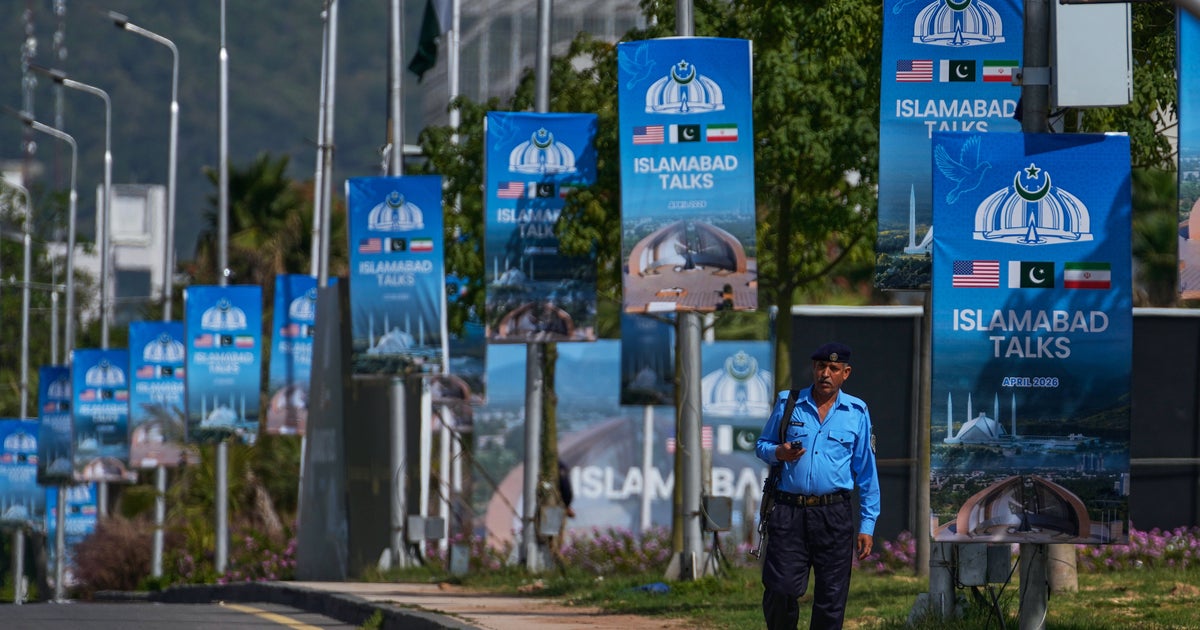
Cover image from huffpost.com, which was analyzed for this article
As the fragile ceasefire nears expiration, US and Iran gear up for talks in Pakistan potentially led by VP Vance, but escalation followed the US Navy's seizure of an Iranian tanker in the Strait of Hormuz. Iran vowed to defend itself and demanded release, while Trump threatened blockades without a deal. Suspicious trades linked to the war fueled insider speculation.
PoliticalOS
Tuesday, April 21, 2026 — Politics
The immediate trigger for potential ceasefire collapse is the U.S. seizure of the Touska, but the deeper impasse concerns whether Iran will accept verifiable limits on uranium enrichment and sanctions relief only after compliance. Diplomacy in Islamabad offers a narrow window before the truce expires; failure risks renewed strikes, prolonged closure of the Strait of Hormuz and oil prices climbing further. The single most important variable is whether both sides treat the Hormuz blockade and threatened 'new cards' as genuine leverage for compromise rather than prelude to escalation.
What outlets missed
Most accounts underplayed the six-hour series of radio warnings and disabling shots fired at the Touska’s engine room before seizure, details carried in U.S. military releases but rarely integrated into diplomatic narratives. Few noted the vessel’s ownership ties to a U.S.-sanctioned Iranian shipping line, a fact reported by specialized maritime outlets yet absent from general coverage. Balanced casualty reporting across all parties—U.S., Iranian, Israeli and Lebanese—was sporadic; many stories highlighted only one side’s losses. The existence of the first round of direct talks on April 11-12 and their specific breakdown over enrichment limits received only glancing treatment. Finally, the separate Israel-Lebanon truce timeline and its uncertain linkage to the U.S.-Iran deal was often compressed into a single paragraph or omitted entirely.
Uncertain Diplomacy in Islamabad Tests Fragile US-Iran Ceasefire
Pakistan is moving forward with arrangements for a second round of ceasefire negotiations between the United States and Iran in Islamabad even as Tehran's participation remains unconfirmed and a fragile truce appears close to collapsing. The talks, which mediators hoped would begin this week, were intended to build on a two-week pause in hostilities that began on April 8 and is scheduled to expire Wednesday. With both sides exchanging sharp threats and the United States maintaining a blockade of Iranian ports and shipping lanes, the diplomatic effort risks becoming another casualty of miscalculation in a conflict that has already disrupted global energy markets and killed thousands.
Two regional officials told the Associated Press that Washington and Tehran had signaled they would proceed with the meeting, with U.S. Vice President JD Vance expected to lead the American side. Iranian Parliament Speaker Mohammad Bagher Qalibaf was reportedly slated to arrive early Wednesday to head Tehran's delegation. Yet Iranian state television broadcast a denial that any official had already reached Pakistan's capital, and Foreign Ministry spokesperson Esmail Baghaei said Tehran had no plans to resume talks for now. The mixed signals reflect deep distrust after the U.S. military seized an Iranian-flagged container vessel, the Touska, in the north Arabian Sea over the weekend.
Iranian officials condemned the seizure as a violation of the ceasefire, an act of "maritime banditry," and demanded the ship's immediate release along with its crew and passengers. Tehran has warned it will use "all its capacities" to defend itself, including what Qalibaf described in an overnight message as "new cards on the battlefield" that have not yet been revealed. The incident followed Iranian attacks on merchant vessels attempting to transit the Strait of Hormuz, further complicating efforts to restore commercial shipping through the critical chokepoint.
The waterway's status has become one of the most volatile elements in the standoff. Shipping data showed traffic largely at a standstill earlier this week, with significant gaps in movement despite initial declarations from both sides that the strait would remain open. The U.S. has enforced a blockade as leverage, a position President Donald Trump reiterated in interviews, saying he would not lift it until a deal is reached. Iran, for its part, has refused to negotiate its "defensive capabilities" and accused Washington of undermining the peace process through "aggressive acts."
At the heart of the impasse are unresolved core disputes that preceded the war, which began on February 28. These include Iran's nuclear program, the future of international sanctions, and control over vital shipping routes. Trump has repeatedly stated that any agreement must preclude Iran from obtaining a nuclear weapon, describing the demand as "very simple." Iranian officials have pointed to a 10-point proposal they submitted during earlier talks, which Trump initially called a workable basis but which has since become entangled in disagreements over sequencing and concessions.
The rhetorical escalation has been notable. Trump warned that failure to reach an agreement by the deadline would mean "lots of bombs start going off" and that Iran would face "problems like they've never seen before." On Truth Social, he pushed back against suggestions that he is under pressure, writing that he is "winning a War, BY A LOT" and that the blockade is "absolutely destroying Iran." Iranian leaders, meanwhile, have insisted they will not negotiate "under the shadow of threats."
The uncertainty carries real consequences. Global oil prices have surged amid disruptions in the Strait of Hormuz, a conduit for roughly one-fifth of the world's seaborne petroleum. Analysts note that even a short extension of the ceasefire would require both sides to show restraint that has so far been in short supply. Pakistan, which has positioned itself as a mediator, continues logistical preparations at venues like the Serena Hotel in Islamabad, where billboards and security measures signal expectations of high-level arrivals. Yet without clear commitments from Tehran, those preparations risk becoming an expensive exercise in hope.
Reporting from Tehran suggests Iranian decision-makers are keeping the door to diplomacy slightly ajar while preparing for the possibility of renewed conflict. This hedging reflects the complicated domestic politics in both capitals. In Washington, the administration has emphasized that its military campaign, dubbed Operation Epic Fury, achieved tactical successes but has not yet produced the strategic breakthrough of a compliant Iranian regime. Hard-liners in Tehran appear strengthened by the conflict, complicating any path toward compromise.
The episode also highlights broader questions about how great powers manage escalation in an era of proxy conflicts and economic interdependence. The seizure of the Touska, whether viewed as legitimate enforcement of a blockade or as a breach of emerging norms around ceasefires, has eroded what little trust existed. Legal scholars continue to debate the action's standing under international law and the U.N. Charter, but in the immediate term such debates matter less than whether the two sides can find a face-saving way to extend the pause.
Should the talks proceed despite the current fog, negotiators will confront familiar obstacles: verification mechanisms for any nuclear limits, the sequencing of sanctions relief, and guarantees regarding freedom of navigation. Previous rounds have shown that both governments can claim victory in public while making the private compromises necessary to de-escalate. Whether that pattern can repeat before Wednesday's deadline remains the central uncertainty hanging over Islamabad's preparations.
For now, the region and global markets are left waiting to see if the public threats give way to private diplomacy or if the ceasefire's expiration will mark the return to open conflict. The coming days will test whether the channels of communication that Pakistan is working to preserve can overcome the deep structural grievances that ignited this war in the first place.
You just read Liberal's take. Want to read what actually happened?
More in Politics

Trump Defends Ramaswamy Ad Using Estranged Mother in Ohio Race
President Trump defended a GOP nominee's ad featuring a Democratic opponent's estranged mother, calling it powerful, while drawing criticism from some Republicans including Ohio Gov. Mike DeWine. The ad has sparked internal GOP tensions ahead of midterms.
Federal Raid Targets Omar Amid Unresolved Name and Marriage Allegations
Agents searched Rep. Ilhan Omar's DC residence over immigration fraud allegations; she called it bizarre. Reports and commentary questioned her birth name and past marriage details.

Supreme Court Upholds New Hampshire Student ID Voting Ban
The Supreme Court upheld New Hampshire's ban on student IDs as valid voter identification just before midterms, affecting a tight Senate race.
Early Voting Hits 21 Million as Most Trust Midterm Accuracy
Millions have already voted early as parties make final appeals amid $1.4 billion in ad spending; polls show confidence in election accuracy.
The Compass
You just read five takes on one story.
What's your take? Find your political shape in a few minutes.
Take the test