
Trump Rejects Iran Ceasefire Offer, Calls Truce on Life Support

Cover image from npr.org, which was analyzed for this article
President Trump warns that the US-Iran ceasefire is on 'life support' after calling Tehran's latest proposal unacceptable, as the war reaches day 74. Tensions persist with IRGC expanding Strait of Hormuz zone and US sanctions on oil sales. Hegseth faces congressional scrutiny on Iran amid budget hearings.
PoliticalOS
Tuesday, May 12, 2026 — Politics
The ceasefire’s survival now depends on whether Washington and Tehran can bridge their incompatible positions on nuclear limits, sanctions, and control of the Strait of Hormuz. Failure risks sharp oil price spikes and renewed military confrontation with worldwide economic consequences.
What outlets missed
Most outlets omitted the precise timeline showing the war began February 28, 2026, after U.S. and Israeli strikes on Iranian nuclear sites, followed by Iranian retaliation and the April 8 ceasefire. Few detailed that Iran’s counterproposal reportedly included an offer to relinquish its enriched uranium stockpile, a concession Trump’s public remarks did not acknowledge. Coverage rarely noted that the U.S. proposal was described in prior reporting as a single-page document rather than a 14-point plan. The role of specific sanctions on Chinese refiners and the exact volume of oil still flowing despite the blockade also received little attention.
Trump Heads to China as Ceasefire With Iran Holds by a Thread
President Donald Trump departed Tuesday for a state visit to China, even as the fragile ceasefire with Iran showed renewed signs of strain. The trip, delayed by weeks of U.S. military action against Iranian targets, now unfolds against a backdrop of stalled diplomacy and rising global energy costs.
Trump described the ceasefire as being on "massive life support" after rejecting Iran's latest response to a U.S. peace proposal. He called the Iranian document "garbage" and said he would not waste time reading it in full. Iranian demands included an end to the U.S. naval blockade, compensation for war damage, continued control over the Strait of Hormuz, and sanctions relief before any nuclear talks. Trump noted that previous deals with Tehran had collapsed when Iranian officials changed their positions, a pattern he compared to unreliable business partners.
Iranian parliamentary speaker Mohammad Bagher Ghalibaf warned that Tehran was prepared for any aggression and that the United States would be surprised by its response. Iranian forces have continued limited attacks in the region, while the Strait of Hormuz remains effectively closed to much commercial traffic. The disruptions have cut OPEC output to its lowest level in more than two decades, according to a Reuters survey.
Oil prices climbed in response. Brent crude rose nearly 2 percent to $106.21 a barrel, and West Texas Intermediate gained 2.4 percent to $100.38. Analysts warned that further delays in a settlement could push prices higher still, with potential corrections only if a genuine breakthrough occurs. Saudi Aramco chief executive Amin Nasser said any prolonged blockage could keep markets unstable into 2027.
China's role adds another layer of complication. Beijing maintains close trade ties with Iran and has directed its firms to ignore U.S. sanctions on Iranian oil under a 2021 blocking statute. U.S. officials said Trump has already raised the issue of Chinese economic and material support for both Iran and Russia in multiple calls with President Xi Jinping. Sanctions on dual-use goods and components have been tightened in recent days, and those measures are expected to feature in the Beijing meetings.
The summit agenda includes elaborate ceremonies alongside trade discussions. Both sides appear to see value in preserving a working relationship despite the frictions. China has watched the U.S. campaign deplete high-end munitions stockpiles and leave core objectives, such as reopening the strait, unresolved. From Beijing's perspective, the episode fits a familiar pattern of American overcommitment in the Middle East without a clear follow-through strategy.
Inside Iran, economic pressures continue to mount. Inflation has driven up prices for basic goods, the rial has lost value, and internet restrictions have hampered commerce. Regime officials have called for national cohesion while relying more heavily on the Islamic Revolutionary Guard Corps to maintain order. These domestic strains coincide with military setbacks and diplomatic isolation.
Trump has said he has plans to adapt as conditions change and that the United States seeks complete victory rather than renewed entanglement. The China visit proceeds regardless, reflecting the president's view that other presidential duties cannot wait on a single conflict. How the two leaders balance trade interests against security concerns will shape the coming months.
You just read Conservative's take. Want to read what actually happened?
More in Politics
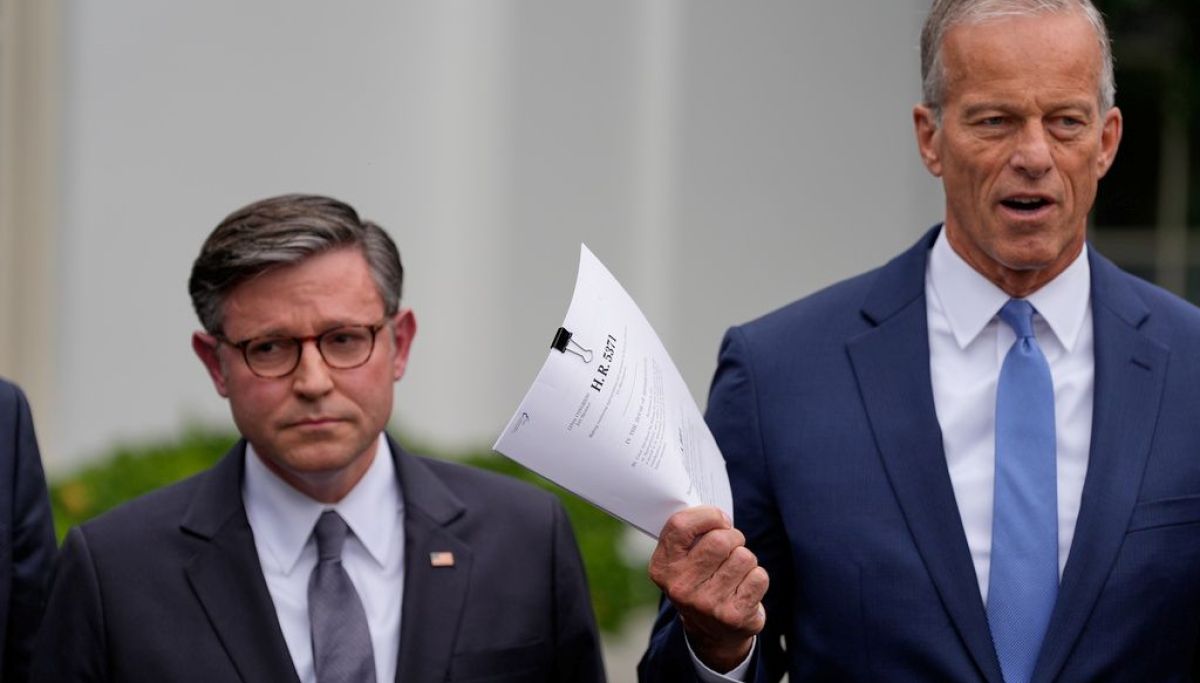
Trump at 32% Approval as Gas Prices Test GOP Midterm Hopes
NYT/Siena polling showed Trump's approval at historic lows around 32 percent with Democrats leading by double digits in key districts. Early voting has surged in battleground states.

Record Early Voting Hits Battlegrounds, Shifting Partisan Shares
AP analysis found hundreds of thousands more early ballots than in 2022 in states including Texas, Ohio, Kansas, Maine, and North Carolina, shifting partisan dynamics.
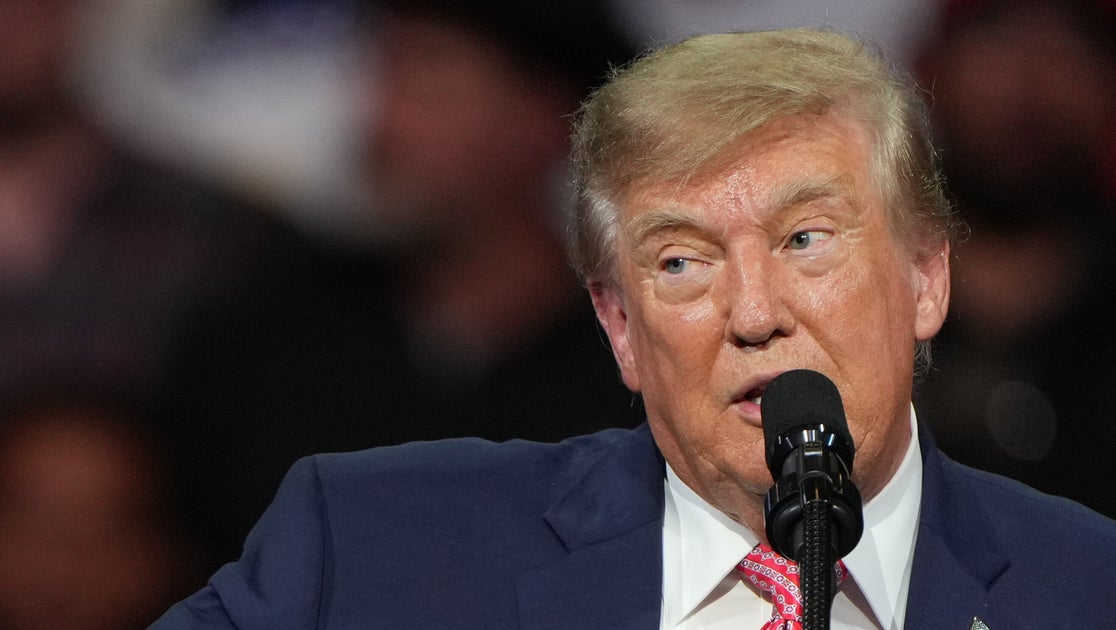
Trump Backs Marshall in Kansas Senate Race Tightened by Farm Costs
President Trump rallied in deep-red Kansas for GOP Sen. Roger Marshall in a competitive race, announcing an $8 billion farm fuel relief program amid high diesel prices. Democrats see an opening to end 94 years of GOP dominance in the state.

Trump Pauses Russia Sanctions Amid Ukraine Tensions and Missile Strikes
Trump waived sanctions on Russia and floated trilateral talks with Putin and Xi as part of ending the Ukraine war, while tensions rose with Zelenskyy over Starlink and arms. Bipartisan senators engaged Zelenskyy amid the shifts.
The Compass
You just read five takes on one story.
What's your take? Find your political shape in a few minutes.
Take the test