
US-Iran Strikes Resume Near Hormuz Amid Ceasefire Talks

Cover image from aljazeera.com, which was analyzed for this article
US and Iranian forces exchanged strikes near the Strait of Hormuz over the weekend while negotiating an interim ceasefire extension. President Trump signaled optimism about a deal to reopen shipping lanes and ease port blockades amid ongoing missile activity and diplomatic messaging.
PoliticalOS
Monday, June 1, 2026 — Politics
The core unresolved tension remains whether negotiators can bridge gaps on nuclear material, sanctions relief, and Hormuz access before another round of strikes collapses the ceasefire. Readers should track primary statements from CENTCOM, the IRGC, and both capitals rather than any single outlet’s framing of motives or blame.
What outlets missed
Most coverage omitted the specific sequence of Iranian drone launches and mine-laying activity that U.S. officials cited as preceding the weekend strikes. Few outlets detailed the exact terms under discussion in the 60-day extension, including timelines for mine removal and asset releases. Iranian state media claims of a $12 billion sanctions relief component were rarely cross-checked against the White House denial. Little reporting examined the cumulative effect of repeated violations on global energy prices beyond noting Brent crude movements. Kuwaiti and other Gulf state statements condemning attacks on their territory received inconsistent placement across accounts.
US and Iran Exchange Strikes as Trump Seeks Agreement to End Conflict
President Donald Trump stated Monday that Iran seeks a deal to conclude the three-month conflict, even as fresh exchanges of strikes occurred over the weekend and negotiations remain stalled on key issues including the status of the Strait of Hormuz.
The US military's Central Command reported conducting strikes on Iranian radar and drone sites in Goruk and on Qeshm Island, describing them as self-defense measures after Iran shot down a US MQ-1 drone operating over international waters. Iran's Islamic Revolutionary Guard Corps responded by claiming it targeted a US airbase used in prior attacks on Iranian communications infrastructure. Kuwaiti defenses intercepted missiles and drones aimed at a US facility there, with sirens sounding across the country. Kuwait's foreign ministry condemned the actions as threats to regional stability.
Trump posted on Truth Social that Iran "really wants to make a deal, and it will be a good one for the USA and those that are with us." He criticized domestic political commentary, saying it complicates negotiations and urging critics to "sit back and relax" because outcomes would resolve favorably. In a separate Fox News interview, Trump described Iranian negotiators as "crafty" and indicated no rush to conclude terms, while noting that Iran's regular military had largely been left intact to avoid broader collapse.
These comments contrast with earlier administration assertions that US operations had severely degraded Iranian forces. The ongoing exchanges come amid a fragile ceasefire in place since early April, during which both sides have periodically targeted military assets. Iran has maintained restrictions on the Strait of Hormuz, a passage handling roughly one-fifth of global oil shipments, contributing to elevated energy prices worldwide.
Iranian Foreign Minister Abbas Araghchi confirmed continued messaging with US counterparts on ending hostilities, though details on Iran's nuclear enrichment limits and related Israeli operations in Lebanon remain unresolved. Israel has advanced its campaign against Hezbollah positions, capturing sites such as Beaufort Castle. Production has resumed at some Iranian gas facilities damaged earlier in the conflict, but broader economic disruptions persist.
The pattern of limited strikes alongside diplomatic overtures illustrates the challenges of containing escalation once military commitments begin. Historical records show such engagements often extend beyond initial projections, imposing sustained costs on energy markets and taxpayer resources without clear endpoints. Trump has indicated a preference for terms that reopen shipping lanes and secure allied interests, yet the involvement of multiple actors including proxies complicates any swift resolution.
Further talks are expected in coming days, with both governments exchanging positions through intermediaries.
You just read Conservative's take. Want to read what actually happened?
More in Politics

Trump Defends Ramaswamy Ad Using Estranged Mother in Ohio Race
President Trump defended a GOP nominee's ad featuring a Democratic opponent's estranged mother, calling it powerful, while drawing criticism from some Republicans including Ohio Gov. Mike DeWine. The ad has sparked internal GOP tensions ahead of midterms.
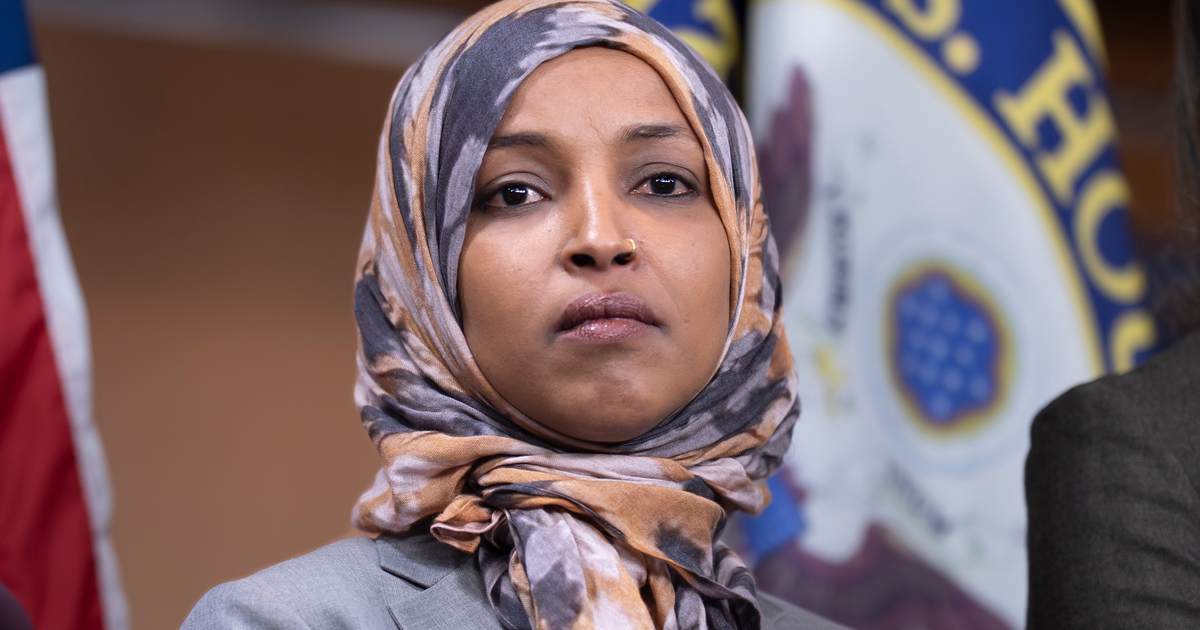
Federal Raid Targets Omar Amid Unresolved Name and Marriage Allegations
Agents searched Rep. Ilhan Omar's DC residence over immigration fraud allegations; she called it bizarre. Reports and commentary questioned her birth name and past marriage details.

Supreme Court Upholds New Hampshire Student ID Voting Ban
The Supreme Court upheld New Hampshire's ban on student IDs as valid voter identification just before midterms, affecting a tight Senate race.
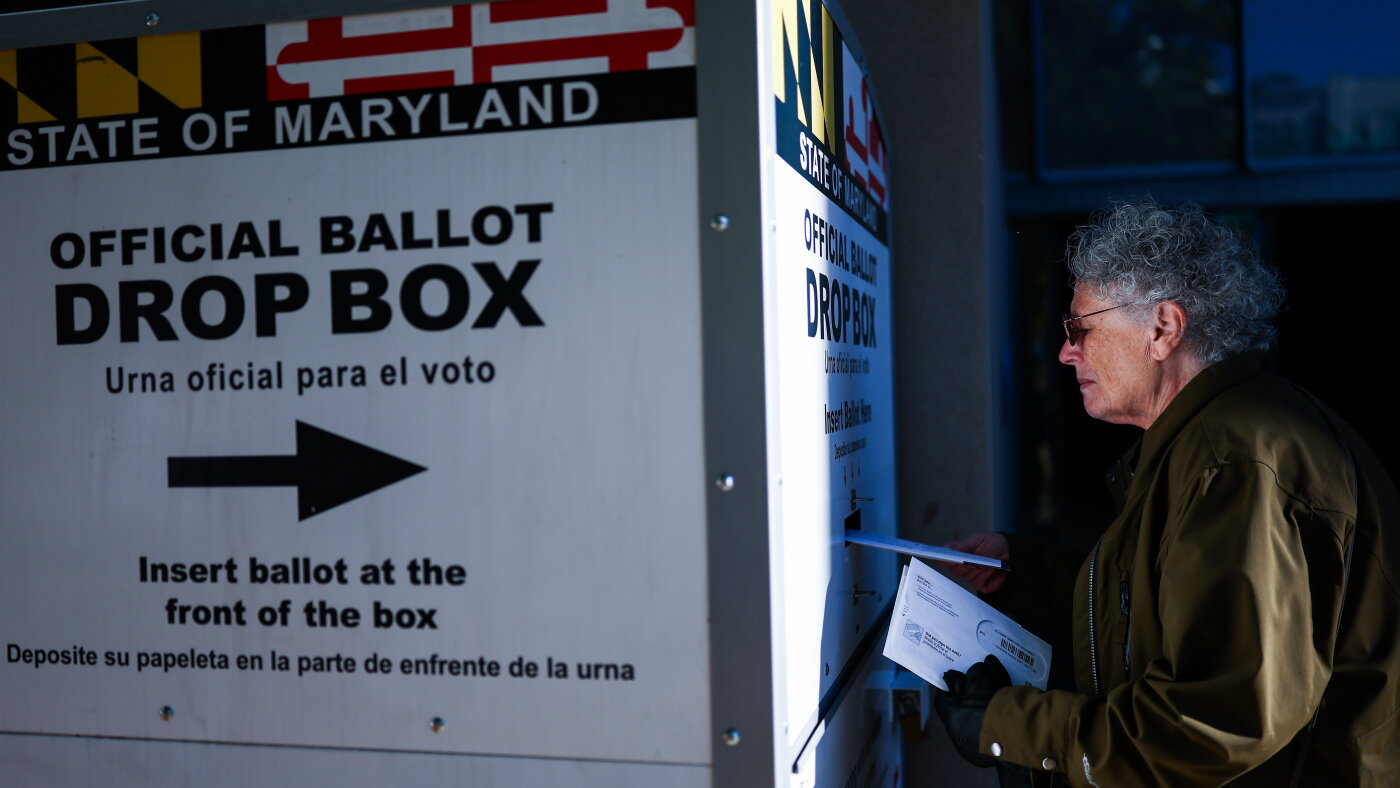
Early Voting Hits 21 Million as Most Trust Midterm Accuracy
Millions have already voted early as parties make final appeals amid $1.4 billion in ad spending; polls show confidence in election accuracy.
The Compass
You just read five takes on one story.
What's your take? Find your political shape in a few minutes.
Take the test