
US-Iran Strikes Resume Near Hormuz Amid Ceasefire Talks

Cover image from aljazeera.com, which was analyzed for this article
US and Iranian forces exchanged strikes near the Strait of Hormuz over the weekend while negotiating an interim ceasefire extension. President Trump signaled optimism about a deal to reopen shipping lanes and ease port blockades amid ongoing missile activity and diplomatic messaging.
PoliticalOS
Monday, June 1, 2026 — Politics
The core unresolved tension remains whether negotiators can bridge gaps on nuclear material, sanctions relief, and Hormuz access before another round of strikes collapses the ceasefire. Readers should track primary statements from CENTCOM, the IRGC, and both capitals rather than any single outlet’s framing of motives or blame.
What outlets missed
Most coverage omitted the specific sequence of Iranian drone launches and mine-laying activity that U.S. officials cited as preceding the weekend strikes. Few outlets detailed the exact terms under discussion in the 60-day extension, including timelines for mine removal and asset releases. Iranian state media claims of a $12 billion sanctions relief component were rarely cross-checked against the White House denial. Little reporting examined the cumulative effect of repeated violations on global energy prices beyond noting Brent crude movements. Kuwaiti and other Gulf state statements condemning attacks on their territory received inconsistent placement across accounts.
Trump Urges Critics to Pipe Down as Iran Strikes Back in Gulf Standoff
President Donald Trump fired back at his domestic opponents Monday, insisting that Iran is eager for a deal to end months of fighting even as fresh exchanges of fire erupted near the Strait of Hormuz. In a late-night Truth Social post, Trump told Democrats and skeptical Republicans to stop second-guessing his negotiations and simply let the process play out.
The comments came hours after the U.S. military confirmed weekend strikes on Iranian radar and drone sites in Goruk and on Qeshm Island, actions described as self-defense following the downing of an American drone. Iran’s Islamic Revolutionary Guard Corps responded by claiming it hit a U.S. airbase in Kuwait used in prior attacks, though Kuwaiti defenses intercepted the incoming missiles and drones amid air raid sirens. Kuwait’s foreign ministry condemned the violation of its territory and warned that such incidents threaten regional stability.
Trump portrayed the back-and-forth as manageable noise in a broader effort to secure lasting terms. “Iran really wants to make a deal, and it will be a good one for the USA and those that are with us,” he wrote, adding that constant “chirping” from political opponents makes his job harder. He urged patience, saying the outcome would work out well in the end. The president has previously described Iranian negotiators as crafty and stressed he is in no rush, arguing haste produces weak agreements.
The latest flare-up occurs against a shaky ceasefire that began in early April after three months of direct U.S. and Israeli operations against Iran. Washington has been unable to fully reopen the Strait of Hormuz, a critical chokepoint for global oil shipments, despite repeated claims of success against Iranian forces. In a separate interview, Trump acknowledged that core elements of Iran’s military were largely left intact, describing them as relatively moderate and necessary to prevent total collapse inside the country.
Iranian officials have continued messaging Washington about conditions for a broader agreement, including guarantees tied to fighting in Lebanon where Israeli forces have pushed deeper against Hezbollah. Production has resumed at parts of Iran’s South Pars gas field damaged earlier in the conflict, while Tehran executed two men convicted in January protests. Both sides have traded limited strikes throughout the ceasefire period, keeping tensions high without a full resumption of major combat.
Trump’s approach reflects a determination to avoid open-ended commitments that drain American resources and attention. Critics in Congress and the media have pressed for faster movement or clearer red lines, yet the president has dismissed such pressure as unhelpful noise from those who never liked the idea of measured engagement in the first place. With talks ongoing and no final terms announced, the focus remains on whether Washington can extract concessions on enrichment and regional behavior without sliding back into wider war.
You just read America First's take. Want to read what actually happened?
More in Politics
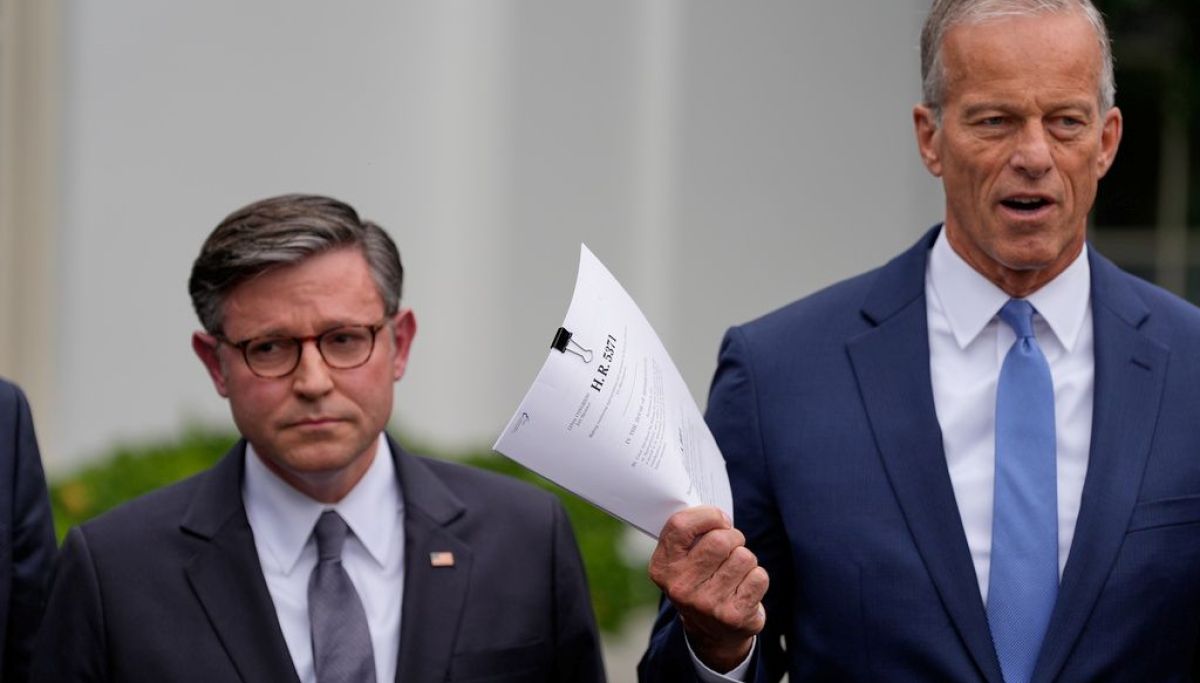
Trump at 32% Approval as Gas Prices Test GOP Midterm Hopes
NYT/Siena polling showed Trump's approval at historic lows around 32 percent with Democrats leading by double digits in key districts. Early voting has surged in battleground states.

Record Early Voting Hits Battlegrounds, Shifting Partisan Shares
AP analysis found hundreds of thousands more early ballots than in 2022 in states including Texas, Ohio, Kansas, Maine, and North Carolina, shifting partisan dynamics.
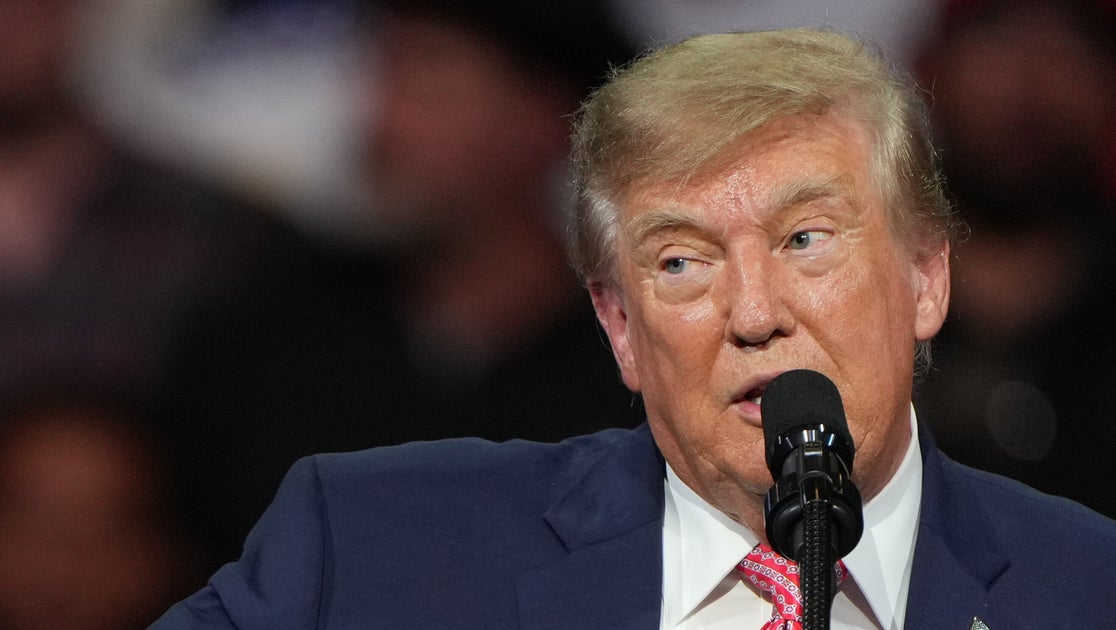
Trump Backs Marshall in Kansas Senate Race Tightened by Farm Costs
President Trump rallied in deep-red Kansas for GOP Sen. Roger Marshall in a competitive race, announcing an $8 billion farm fuel relief program amid high diesel prices. Democrats see an opening to end 94 years of GOP dominance in the state.

Trump Pauses Russia Sanctions Amid Ukraine Tensions and Missile Strikes
Trump waived sanctions on Russia and floated trilateral talks with Putin and Xi as part of ending the Ukraine war, while tensions rose with Zelenskyy over Starlink and arms. Bipartisan senators engaged Zelenskyy amid the shifts.
The Compass
You just read five takes on one story.
What's your take? Find your political shape in a few minutes.
Take the test