
US-Iran Strikes Resume Near Hormuz Amid Ceasefire Talks

Cover image from aljazeera.com, which was analyzed for this article
US and Iranian forces exchanged strikes near the Strait of Hormuz over the weekend while negotiating an interim ceasefire extension. President Trump signaled optimism about a deal to reopen shipping lanes and ease port blockades amid ongoing missile activity and diplomatic messaging.
PoliticalOS
Monday, June 1, 2026 — Politics
The core unresolved tension remains whether negotiators can bridge gaps on nuclear material, sanctions relief, and Hormuz access before another round of strikes collapses the ceasefire. Readers should track primary statements from CENTCOM, the IRGC, and both capitals rather than any single outlet’s framing of motives or blame.
What outlets missed
Most coverage omitted the specific sequence of Iranian drone launches and mine-laying activity that U.S. officials cited as preceding the weekend strikes. Few outlets detailed the exact terms under discussion in the 60-day extension, including timelines for mine removal and asset releases. Iranian state media claims of a $12 billion sanctions relief component were rarely cross-checked against the White House denial. Little reporting examined the cumulative effect of repeated violations on global energy prices beyond noting Brent crude movements. Kuwaiti and other Gulf state statements condemning attacks on their territory received inconsistent placement across accounts.
Trump Claims Iran Seeks Agreement While Attacks Continue in Gulf Region
President Donald Trump on Monday described Iran as eager for a deal to end the three-month conflict, even as the United States and Iranian forces traded limited strikes over the weekend near the Strait of Hormuz. The comments came in a series of posts on Truth Social in which Trump urged critics to stop pressuring the pace of talks and insisted the outcome would favor Washington and its allies.
The latest exchanges fit a pattern that has persisted since a ceasefire took effect in early April. US Central Command said it struck Iranian radar and drone facilities on Qeshm Island and in the city of Goruk in response to the downing of an American drone. Iran’s Islamic Revolutionary Guard Corps reported targeting a US airbase in Kuwait, though Kuwaiti defenses intercepted the incoming missiles and drones. No casualties were reported in either incident.
These calibrated actions have not collapsed the ceasefire, but they illustrate how narrow the margin remains between de-escalation and renewed fighting. Both sides continue to test limits while diplomats exchange proposals through intermediaries. Iranian Foreign Minister Abbas Araghchi confirmed that messages are still flowing, yet he tied any final accord to a broader halt in Israeli operations in Lebanon, where Hezbollah forces have been under sustained pressure.
Trump has presented the negotiations as deliberate rather than stalled. He characterized Iranian counterparts as “crafty” and said haste would produce a weaker result. At the same time, he has dismissed domestic commentary that calls for faster movement or clearer red lines on Iran’s nuclear program. The president’s public posture combines optimism about an eventual agreement with frustration at the domestic political environment surrounding the talks.
The underlying issues have not narrowed appreciably. Discussions center on the future scope of Iranian uranium enrichment, verification mechanisms, and guarantees related to the Strait of Hormuz, which handles a significant share of global oil shipments. Iran’s de facto restrictions on shipping through the waterway have contributed to higher energy prices, adding economic pressure on multiple governments to reach a durable settlement. Meanwhile, Israel’s separate campaign against Hezbollah continues to complicate Washington’s efforts to isolate the US-Iran channel.
Trump’s description of the military campaign has also shifted over time. Earlier statements emphasized the destruction of Iranian naval and air capabilities. More recently he has suggested that core elements of Iran’s conventional forces were left intact to avoid state collapse. Such adjustments reflect the difficulty of translating battlefield claims into lasting leverage at the negotiating table.
For US officials, the challenge is to convert the existing ceasefire into a framework that addresses nuclear thresholds and regional proxy conflicts without requiring a broader commitment of forces. Iranian leaders, facing their own domestic constraints and the costs of prolonged isolation, appear willing to continue messaging but have not signaled major concessions. The result is a slow-moving process in which incremental military actions serve as both warnings and bargaining tools.
Whether the current diplomatic track can produce a durable outcome remains unclear. The pattern of limited strikes alongside ongoing talks suggests that both Washington and Tehran are managing escalation risks while the larger questions of enrichment limits and Lebanese security stay unresolved.
You just read Liberal's take. Want to read what actually happened?
More in Politics
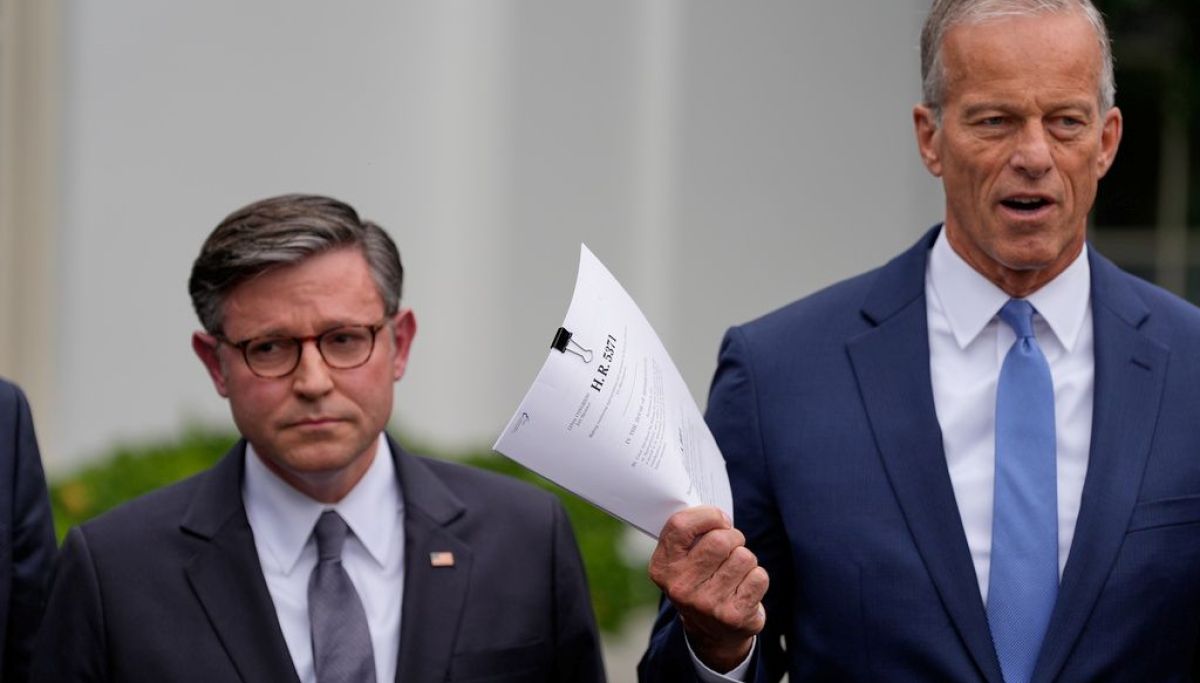
Trump at 32% Approval as Gas Prices Test GOP Midterm Hopes
NYT/Siena polling showed Trump's approval at historic lows around 32 percent with Democrats leading by double digits in key districts. Early voting has surged in battleground states.

Record Early Voting Hits Battlegrounds, Shifting Partisan Shares
AP analysis found hundreds of thousands more early ballots than in 2022 in states including Texas, Ohio, Kansas, Maine, and North Carolina, shifting partisan dynamics.
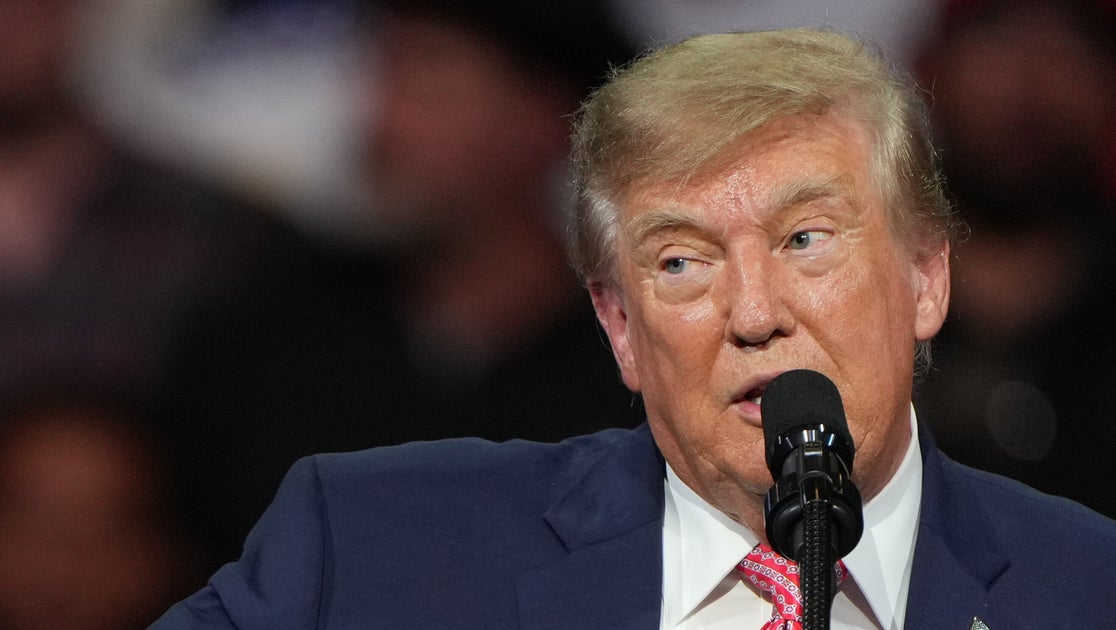
Trump Backs Marshall in Kansas Senate Race Tightened by Farm Costs
President Trump rallied in deep-red Kansas for GOP Sen. Roger Marshall in a competitive race, announcing an $8 billion farm fuel relief program amid high diesel prices. Democrats see an opening to end 94 years of GOP dominance in the state.

Trump Pauses Russia Sanctions Amid Ukraine Tensions and Missile Strikes
Trump waived sanctions on Russia and floated trilateral talks with Putin and Xi as part of ending the Ukraine war, while tensions rose with Zelenskyy over Starlink and arms. Bipartisan senators engaged Zelenskyy amid the shifts.
The Compass
You just read five takes on one story.
What's your take? Find your political shape in a few minutes.
Take the test