
Trump Rejects Iran Ceasefire Counteroffer, Leaving Truce on Life Support

Cover image from cnbc.com, which was analyzed for this article
President Trump declared Iran's response to the US ceasefire proposal 'totally unacceptable,' placing talks on 'life support' amid ongoing war. Tensions rise with US blockades and strikes, as both sides accuse the other of unreasonable demands. Casualties mount, with significant losses reported on both sides.
PoliticalOS
Monday, May 11, 2026 — Politics
The core impasse is a classic maximalist standoff: the United States insists on verifiable, permanent limits on Iran’s nuclear program while Iran demands sanctions relief, reparations, and recognition of its control over the Strait of Hormuz before any further concessions. Until one side narrows its red lines or external pressure forces movement, the fragile April 8 ceasefire remains at high risk of collapse.
What outlets missed
Most outlets omitted the precise 14-point structure of both proposals, including Iran’s demand for $15 billion in annual strait transit fees and explicit U.S. insistence on a 12-year enrichment halt plus handover of 440 kg of 60-percent uranium. Few reported the April 8 ceasefire’s origin in Pakistani-brokered Islamabad talks or the fact that Project Freedom, the U.S. escort operation through the strait, was paused after only 36 hours. Economic details such as the rial’s collapse, daily internet-shutdown losses of $30-40 million, and the Pentagon’s reported depletion of munitions stockpiles received little attention outside specialized coverage.
Trump Holds Line on Iran Nuclear Demands as Ceasefire Proposal Collapses
President Trump rejected Iran's counterproposal to end the conflict on Sunday, describing the document as unacceptable and leaving the existing ceasefire in a precarious state. The Iranian response omitted earlier commitments to remove enriched uranium from the country and instead pressed for an end to sanctions, compensation for war damages, and assertions of control over the Strait of Hormuz.
Trump told reporters that the proposal reversed prior understandings reached during talks, calling it a piece of garbage that no serious negotiator would accept. He noted that only China and the United States possess the technical means to handle the nuclear material in question and reiterated that any final arrangement must prevent Iran from retaining a pathway to weapons capability. Iranian officials countered that their demands were reasonable and accused the United States of insisting on surrender terms.
The back-and-forth follows weeks of limited military action that degraded Iranian nuclear sites, missile production, and proxy networks. U.S. strikes and coordination with Israel removed many targets from the list, yet enrichment facilities and stockpiles remain points of contention. Iranian state media reported roughly one million jobs lost since the fighting began, while independent tallies placed civilian deaths in the thousands. American casualties stood at 13 killed and hundreds wounded according to Pentagon figures.
Oil markets reacted immediately to the stalled talks. Brent crude climbed above 100 dollars a barrel as shipping through the Strait of Hormuz stayed constrained. Trump had briefly considered naval escorts for tankers but suspended the plan to allow Iran time to respond. Renewed discussion of such operations or direct strikes on remaining infrastructure now appears likely if diplomacy yields nothing.
The episode illustrates a recurring pattern with the Iranian regime. Past administrations accepted incomplete restraints on enrichment and sanctions relief in exchange for temporary halts, only to watch stockpiles and delivery systems expand. Trump has refused to repeat that sequence, insisting instead on verifiable removal of material and dismantling of key capabilities. Whether renewed pressure produces an agreement or forces a return to open conflict remains open, yet the current impasse shows little sign of resolution on terms short of capitulation by one side.
You just read Conservative's take. Want to read what actually happened?
More in Politics
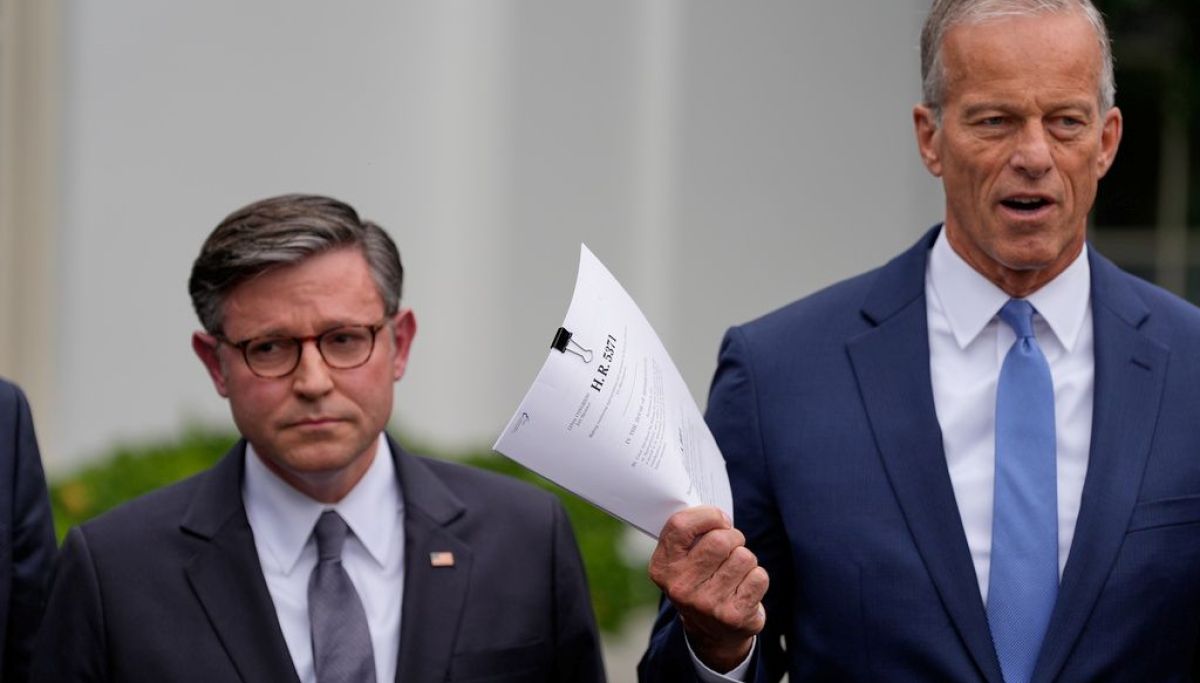
Trump at 32% Approval as Gas Prices Test GOP Midterm Hopes
NYT/Siena polling showed Trump's approval at historic lows around 32 percent with Democrats leading by double digits in key districts. Early voting has surged in battleground states.

Record Early Voting Hits Battlegrounds, Shifting Partisan Shares
AP analysis found hundreds of thousands more early ballots than in 2022 in states including Texas, Ohio, Kansas, Maine, and North Carolina, shifting partisan dynamics.
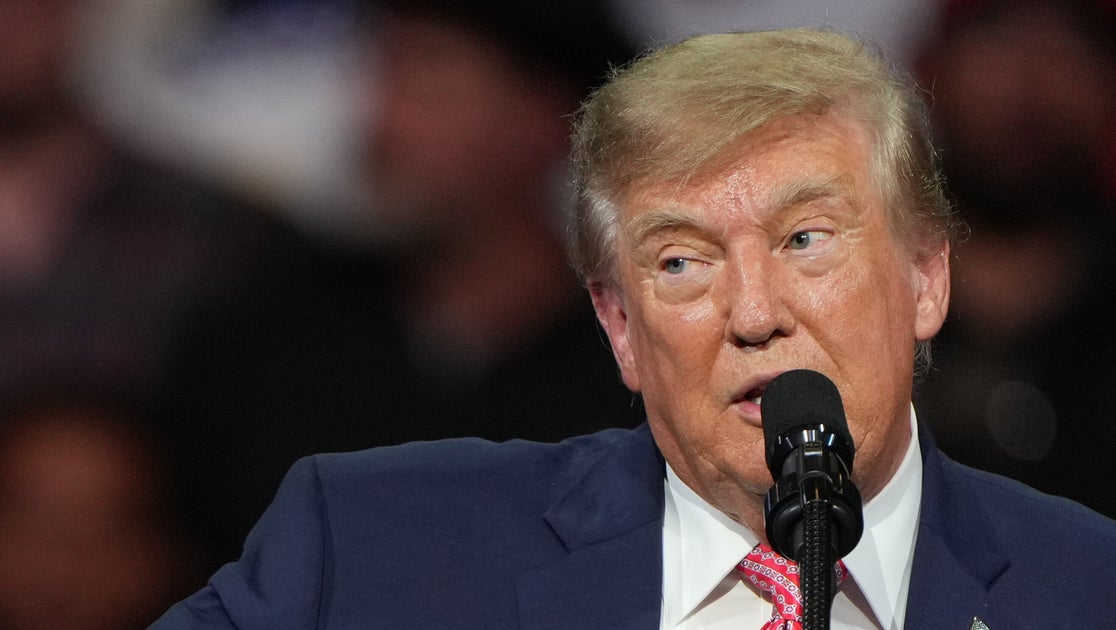
Trump Backs Marshall in Kansas Senate Race Tightened by Farm Costs
President Trump rallied in deep-red Kansas for GOP Sen. Roger Marshall in a competitive race, announcing an $8 billion farm fuel relief program amid high diesel prices. Democrats see an opening to end 94 years of GOP dominance in the state.

Trump Pauses Russia Sanctions Amid Ukraine Tensions and Missile Strikes
Trump waived sanctions on Russia and floated trilateral talks with Putin and Xi as part of ending the Ukraine war, while tensions rose with Zelenskyy over Starlink and arms. Bipartisan senators engaged Zelenskyy amid the shifts.
The Compass
You just read five takes on one story.
What's your take? Find your political shape in a few minutes.
Take the test