
Trump Rejects Iran Ceasefire Counteroffer, Leaving Truce on Life Support

Cover image from cnbc.com, which was analyzed for this article
President Trump declared Iran's response to the US ceasefire proposal 'totally unacceptable,' placing talks on 'life support' amid ongoing war. Tensions rise with US blockades and strikes, as both sides accuse the other of unreasonable demands. Casualties mount, with significant losses reported on both sides.
PoliticalOS
Monday, May 11, 2026 — Politics
The core impasse is a classic maximalist standoff: the United States insists on verifiable, permanent limits on Iran’s nuclear program while Iran demands sanctions relief, reparations, and recognition of its control over the Strait of Hormuz before any further concessions. Until one side narrows its red lines or external pressure forces movement, the fragile April 8 ceasefire remains at high risk of collapse.
What outlets missed
Most outlets omitted the precise 14-point structure of both proposals, including Iran’s demand for $15 billion in annual strait transit fees and explicit U.S. insistence on a 12-year enrichment halt plus handover of 440 kg of 60-percent uranium. Few reported the April 8 ceasefire’s origin in Pakistani-brokered Islamabad talks or the fact that Project Freedom, the U.S. escort operation through the strait, was paused after only 36 hours. Economic details such as the rial’s collapse, daily internet-shutdown losses of $30-40 million, and the Pentagon’s reported depletion of munitions stockpiles received little attention outside specialized coverage.
Trump Rejects Iranian Counterproposal and Puts Fragile Ceasefire at Risk
President Trump on Monday described the month-old ceasefire with Iran as being on life support after dismissing Tehran’s response to a U.S. draft agreement as unacceptable. The exchange has returned the two countries to the same impasse that preceded weeks of U.S. and Israeli strikes, with both sides clinging to core demands that appear incompatible.
Trump told reporters in the Oval Office that he had not finished reading the Iranian document because it omitted a commitment, previously discussed, to remove enriched uranium from the country. “They agree with us, and then they take it back,” he said. Iranian officials had instead focused on ending the naval blockade of the Strait of Hormuz, securing compensation for damage from U.S. and Israeli attacks, lifting long-standing sanctions and guaranteeing no further strikes. They also pressed for an end to Israeli operations against Hezbollah in Lebanon.
The U.S. proposal, sent roughly ten days earlier, centered on verifiable limits to Iran’s nuclear program and removal of its stockpile of highly enriched material. Washington has signaled it would accept a deal only if those conditions were met; Tehran has countered that any agreement must address what it calls unjust economic penalties and regional security threats. The gap between those positions has widened rather than narrowed during the pause in fighting.
The ceasefire, which began April 8 after Trump threatened to destroy Iranian infrastructure, was always fragile. It failed to reopen the Strait of Hormuz to normal traffic, prompting the administration to impose a naval blockade in the Gulf of Oman. Iran has continued to view that measure as an act of aggression. Last week’s limited exchanges of fire between Iranian forces and U.S. naval units underscored how easily the truce could unravel.
Trump has repeatedly indicated he prefers an agreement that avoids further large-scale military action. Yet the same statements that express that preference also restate red lines on Iran’s nuclear capabilities that Tehran has so far refused to accept. Iranian leaders, facing an economy damaged by strikes and sanctions, have framed their counteroffer as reasonable and non-negotiable on issues of sovereignty and reparations.
U.S. officials said Monday that the president would meet with his national security team to consider next steps, including the possibility of resuming targeted strikes. Oil markets registered the renewed uncertainty, with Brent crude rising above $100 a barrel. Shipping companies have already rerouted vessels away from the Persian Gulf, adding costs that will eventually reach consumers.
The episode illustrates how difficult it remains for either side to translate battlefield results into diplomatic concessions. Iran retains leverage over a critical energy route but lacks the means to compel the United States to lift sanctions. Washington can impose military costs but has not yet found a formula that would force Tehran to relinquish its nuclear assets without additional escalation. Until one side adjusts its bottom line, the current pause appears unlikely to produce a durable settlement.
You just read Liberal's take. Want to read what actually happened?
More in Politics

Trump Defends Ramaswamy Ad Using Estranged Mother in Ohio Race
President Trump defended a GOP nominee's ad featuring a Democratic opponent's estranged mother, calling it powerful, while drawing criticism from some Republicans including Ohio Gov. Mike DeWine. The ad has sparked internal GOP tensions ahead of midterms.

Federal Raid Targets Omar Amid Unresolved Name and Marriage Allegations
Agents searched Rep. Ilhan Omar's DC residence over immigration fraud allegations; she called it bizarre. Reports and commentary questioned her birth name and past marriage details.

Supreme Court Upholds New Hampshire Student ID Voting Ban
The Supreme Court upheld New Hampshire's ban on student IDs as valid voter identification just before midterms, affecting a tight Senate race.
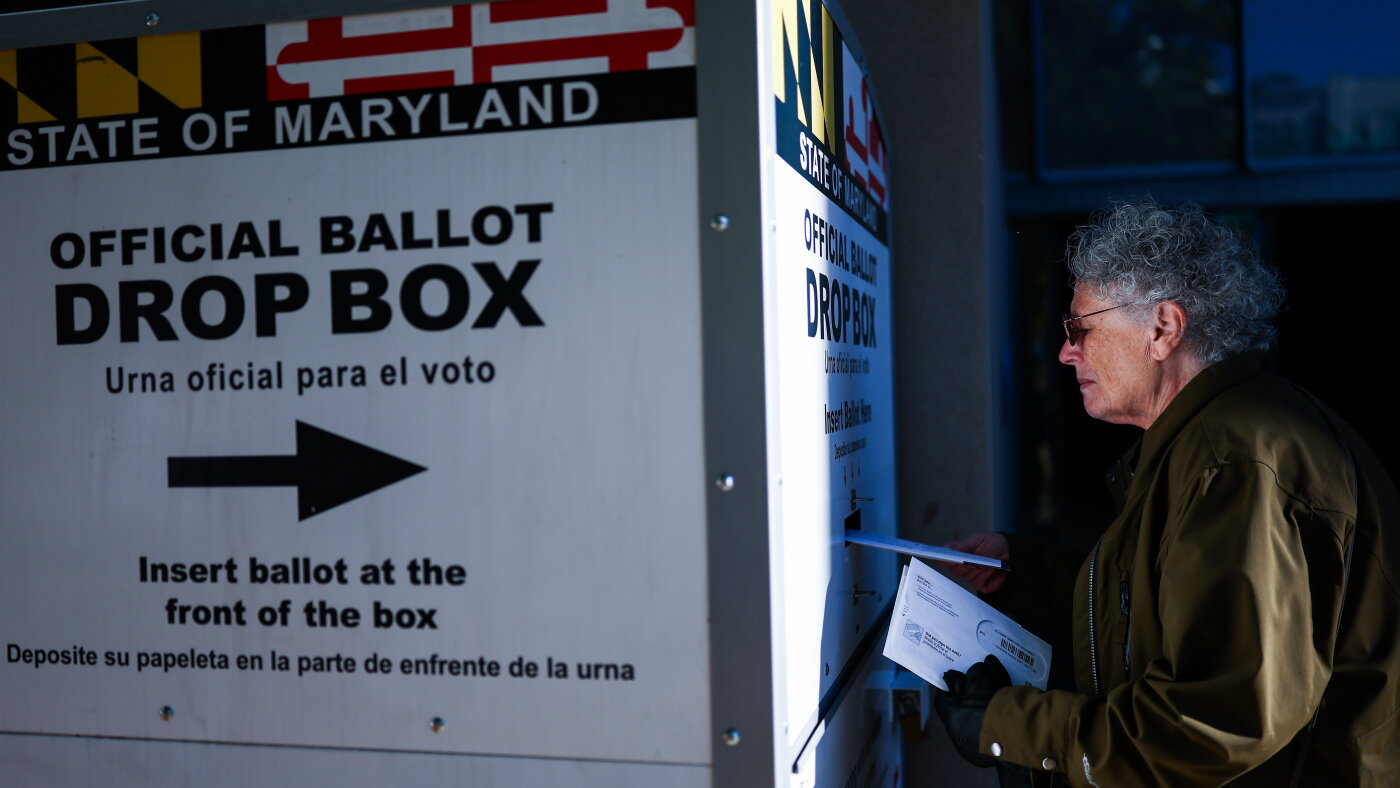
Early Voting Hits 21 Million as Most Trust Midterm Accuracy
Millions have already voted early as parties make final appeals amid $1.4 billion in ad spending; polls show confidence in election accuracy.
The Compass
You just read five takes on one story.
What's your take? Find your political shape in a few minutes.
Take the test