
US-Iran Clashes in Hormuz Test Fragile Ceasefire as Oil Prices Surge
Cover image from foxnews.com, which was analyzed for this article
US forces under Project Freedom escorted commercial ships through the Strait of Hormuz, firing on and destroying Iranian boats that threatened protected vessels. Iran attacked a UAE oil facility and proposed a ceasefire for sanctions relief and US withdrawal, but Trump rejected it insisting on American terms. The exchanges test the fragile truce as a 60-day war powers deadline nears and oil prices fluctuate.
PoliticalOS
Tuesday, May 5, 2026 — Politics
The Strait of Hormuz has become the focal point of a dangerous test between U.S. insistence on freedom of navigation backed by military force and Iran's leverage through closure and limited strikes, all within a ceasefire both sides accuse the other of violating. Diplomatic proposals exist but remain stalled on irreconcilable demands over sanctions, withdrawals and regional security guarantees. Readers should recognize that while initial transits have occurred, scaling safe commercial traffic without triggering wider war remains unproven and oil-market volatility will continue until one side blinks or a compromise is reached.
What outlets missed
Most coverage omitted or downplayed the specific U.S. naval blockade of Iranian ports imposed on April 13, which CENTCOM confirmed had turned back dozens of vessels and which Iran repeatedly cited as the trigger for fully sealing the strait and its subsequent attacks. Iran's detailed 14-point ceasefire proposal, including timelines for sanctions relief within 30 days and linkage to Israeli actions in Lebanon, received only passing mention in a few skeptical outlets while the U.S. rejection on "American terms" was rarely paired with the full list of Iranian conditions. The approaching 60-day war powers resolution deadline in Congress, which could force a formal vote on continued operations, was almost entirely absent despite its potential to shift domestic political leverage. Independent verification status of Iranian civilian casualty claims from the fast-boat strikes and precise Fujairah damage assessments also went unaddressed, leaving readers without clear guidance on what remains corroborated across governments and shipping data.
Trump Reasserts Freedom of Navigation as US Operation Tests Iranian Blockade in Strait of Hormuz
The United States has begun escorting commercial vessels through the Strait of Hormuz under President Donald Trump’s newly launched Project Freedom, a direct challenge to Iran’s effective closure of one of the world’s most vital energy arteries. Two U.S.-flagged merchant ships successfully transited the waterway on Monday despite Iranian threats, while American forces sank at least six small Iranian attack boats and intercepted missiles and drones targeting both shipping and a key ally. The operation comes after months of Iranian disruption that has stranded roughly 20,000 sailors aboard more than 800 vessels and sent global fuel prices soaring.
The strait, through which roughly one-fifth of global oil and natural gas trade normally flows, has been largely blocked since U.S. and Israeli strikes on Iranian targets began in February. Tehran responded by mining the channel, harassing commercial traffic, and imposing what amounts to a veto over passage. That chokehold has imposed immediate and painful costs on economies far removed from the Persian Gulf. Fertilizer prices have jumped, raising food costs for millions of the world’s poorest families. Energy markets have tightened, reminding anyone who studies incentives that control of critical trade routes confers dangerous leverage.
Project Freedom represents a return to a principle long understood by those who value empirical results over rhetoric: free navigation of the seas is not a favor granted by regional powers but a practical necessity for global commerce. U.S. Central Command deployed guided-missile destroyers, over 100 aircraft, unmanned systems, and 15,000 personnel to create an “enhanced security area.” On the first full day of operations, American helicopters engaged Iranian fast boats attempting to interfere with shipping. Iran denied the vessels were military, claiming they carried civilians, but the pattern of behavior—missile strikes on the United Arab Emirates’ oil port at Fujairah, attacks on a South Korean cargo ship—suggests a regime testing the boundaries of a fragile ceasefire.
The UAE, a consistent partner in coalition efforts, intercepted Iranian ballistic and cruise missiles aimed at its territory. Fires were reported at storage facilities in Fujairah, the country’s largest oil port. Qatar, Jordan, Saudi Arabia, Kuwait, the Gulf Cooperation Council, and the European Union all condemned the Iranian action. President Trump responded with characteristic directness, warning that any attack on U.S. Navy vessels would result in Iran being “blown off the face of the earth.” The statement reflects a recognition that deterrence depends on credibility. Weakness invites predation; demonstrated resolve can shorten conflicts.
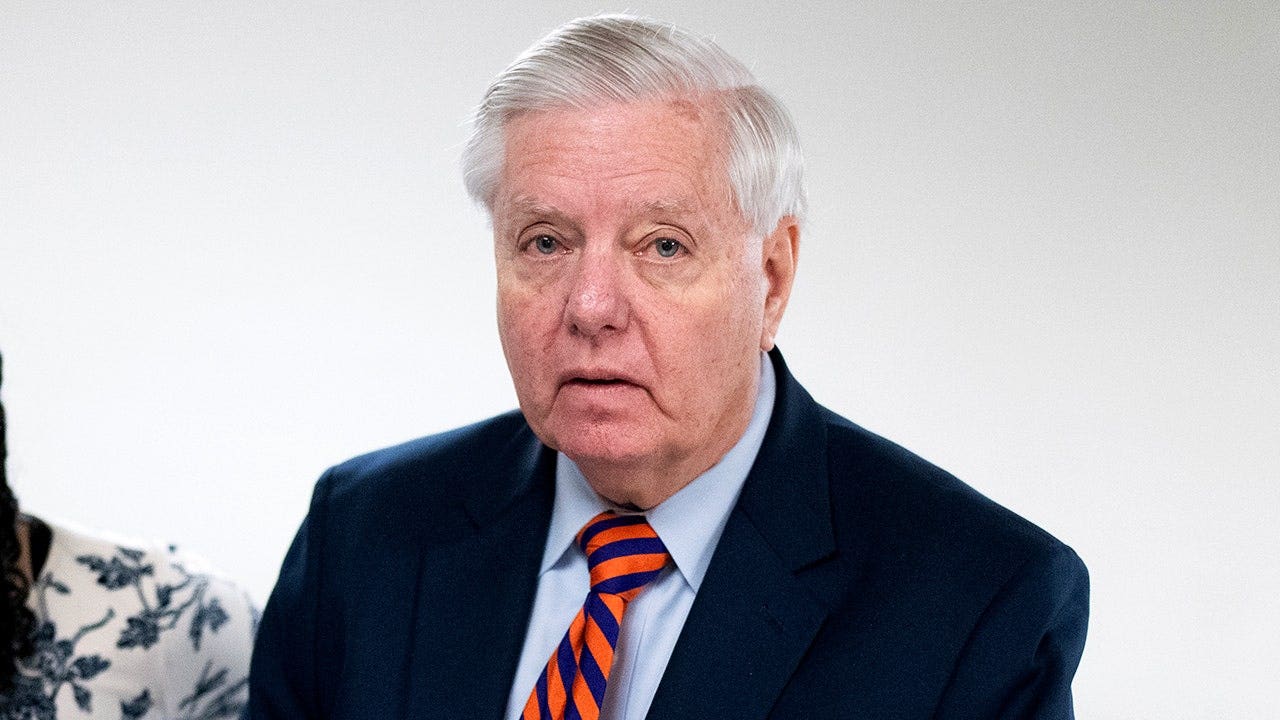
Senator Lindsey Graham, who has long argued for degrading Iran’s capacity to project terror, endorsed further measured strikes if attacks continue. “A big, strong and short response to inflict further damage on Iran’s war machine” would reinforce alliances and signal that aggression carries consequences, Graham said. He specifically praised the UAE’s cooperation and warned against allowing Iran to regenerate its capabilities after its nuclear infrastructure and proxy network suffered serious setbacks earlier this year. Graham stopped short of advocating occupation of Kharg Island but suggested credible threats to destroy it from the air could prevent Iran from resuming its role as the region’s chief sponsor of terrorism.
Iranian officials dismissed the American account of events, called Project Freedom “Project Deadlock,” and insisted that management of the strait remains their sovereign right. Foreign Minister Abbas Araghchi argued there is no military solution to what he termed a political crisis. Yet the Islamic Revolutionary Guard Corps’ record of using commercial vessels as cover, combined with its history of mining sea lanes and attacking neutral shipping, illustrates the problem with treating such statements at face value. Nations respond to incentives. When a regime faces no serious cost for disruption, disruption continues.
The operation tests more than a ceasefire. It tests whether the United States retains the will and competence to protect the maritime commons that underpin modern prosperity. Previous approaches that emphasized patience and multilateral talks produced a nuclear program on the threshold of weaponization and a network of proxies that set the region ablaze. The current policy—degrading capabilities first, then reopening trade routes—aligns more closely with observable outcomes. Two merchant vessels have already passed through under American protection. Maersk confirmed one of its ships completed the transit without incident.
Skeptics question whether commercial traffic will resume in volume while Iranian speedboats and shore-based missiles remain factors. Shipping executives remain cautious. Yet the alternative—leaving 20,000 mariners trapped, energy prices elevated, and global supply chains at the mercy of a theocratic regime—carries heavier long-term costs. History shows that trade routes secured by credible naval power tend to stay open; those abandoned to local bullies do not.
As the operation continues, the measure of success will be straightforward: restored passage for neutral commerce, reduced Iranian capacity to threaten international shipping, and avoidance of wider war through clear red lines rather than ambiguous diplomacy. Early results suggest American forces can impose costs on Iranian aggression while shielding commercial vessels. Whether this proves sufficient to break the current impasse depends on whether Tehran recalculates its incentives or doubles down on escalation. The United States has signaled it is prepared for either outcome.
You just read Conservative's take. Want to read what actually happened?
More in Politics
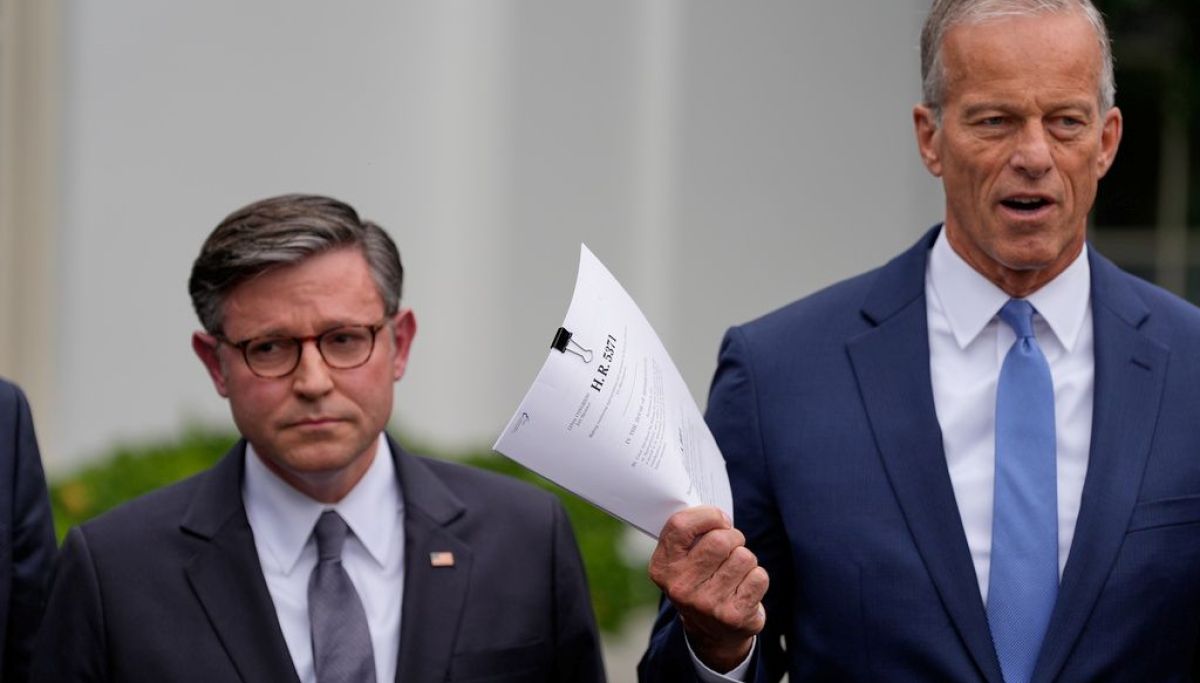
Trump at 32% Approval as Gas Prices Test GOP Midterm Hopes
NYT/Siena polling showed Trump's approval at historic lows around 32 percent with Democrats leading by double digits in key districts. Early voting has surged in battleground states.

Record Early Voting Hits Battlegrounds, Shifting Partisan Shares
AP analysis found hundreds of thousands more early ballots than in 2022 in states including Texas, Ohio, Kansas, Maine, and North Carolina, shifting partisan dynamics.
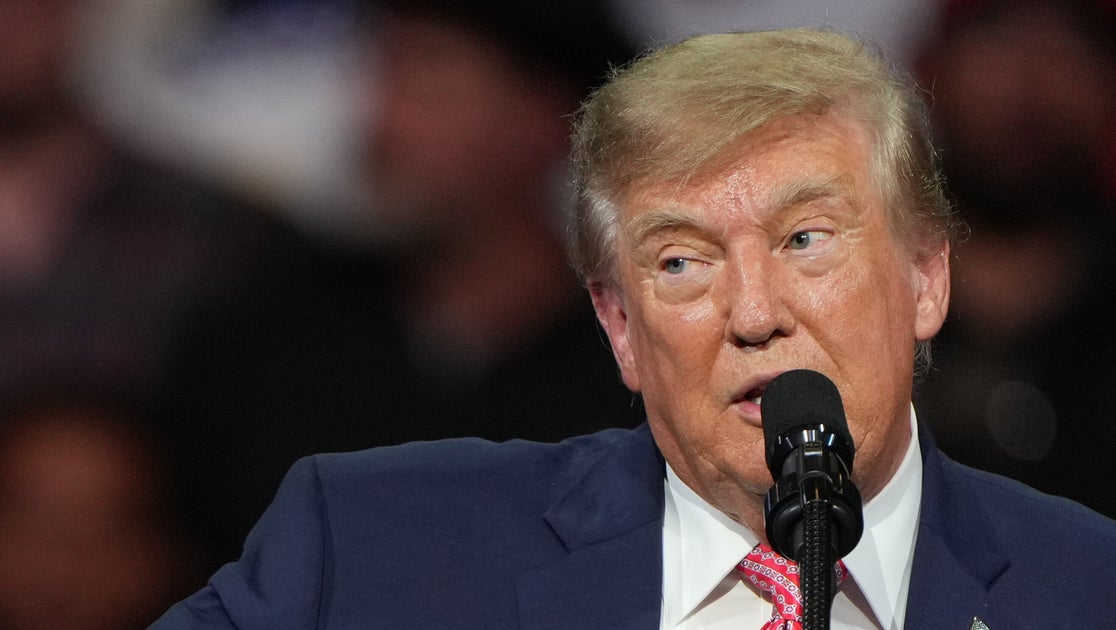
Trump Backs Marshall in Kansas Senate Race Tightened by Farm Costs
President Trump rallied in deep-red Kansas for GOP Sen. Roger Marshall in a competitive race, announcing an $8 billion farm fuel relief program amid high diesel prices. Democrats see an opening to end 94 years of GOP dominance in the state.

Trump Pauses Russia Sanctions Amid Ukraine Tensions and Missile Strikes
Trump waived sanctions on Russia and floated trilateral talks with Putin and Xi as part of ending the Ukraine war, while tensions rose with Zelenskyy over Starlink and arms. Bipartisan senators engaged Zelenskyy amid the shifts.
The Compass
You just read five takes on one story.
What's your take? Find your political shape in a few minutes.
Take the test