
US-Iran Clashes in Hormuz Test Fragile Ceasefire as Oil Prices Surge
Cover image from foxnews.com, which was analyzed for this article
US forces under Project Freedom escorted commercial ships through the Strait of Hormuz, firing on and destroying Iranian boats that threatened protected vessels. Iran attacked a UAE oil facility and proposed a ceasefire for sanctions relief and US withdrawal, but Trump rejected it insisting on American terms. The exchanges test the fragile truce as a 60-day war powers deadline nears and oil prices fluctuate.
PoliticalOS
Tuesday, May 5, 2026 — Politics
The Strait of Hormuz has become the focal point of a dangerous test between U.S. insistence on freedom of navigation backed by military force and Iran's leverage through closure and limited strikes, all within a ceasefire both sides accuse the other of violating. Diplomatic proposals exist but remain stalled on irreconcilable demands over sanctions, withdrawals and regional security guarantees. Readers should recognize that while initial transits have occurred, scaling safe commercial traffic without triggering wider war remains unproven and oil-market volatility will continue until one side blinks or a compromise is reached.
What outlets missed
Most coverage omitted or downplayed the specific U.S. naval blockade of Iranian ports imposed on April 13, which CENTCOM confirmed had turned back dozens of vessels and which Iran repeatedly cited as the trigger for fully sealing the strait and its subsequent attacks. Iran's detailed 14-point ceasefire proposal, including timelines for sanctions relief within 30 days and linkage to Israeli actions in Lebanon, received only passing mention in a few skeptical outlets while the U.S. rejection on "American terms" was rarely paired with the full list of Iranian conditions. The approaching 60-day war powers resolution deadline in Congress, which could force a formal vote on continued operations, was almost entirely absent despite its potential to shift domestic political leverage. Independent verification status of Iranian civilian casualty claims from the fast-boat strikes and precise Fujairah damage assessments also went unaddressed, leaving readers without clear guidance on what remains corroborated across governments and shipping data.
Trump Risks Wider War with Iran While Handing Putin Major Wins
President Donald Trump’s ambitious bid to reopen the Strait of Hormuz has quickly turned into a shooting war that threatens to shatter a fragile ceasefire and drag American forces deeper into another Middle Eastern conflict. On the first day of the operation dubbed “Project Freedom,” U.S. forces sank at least six Iranian fast boats, intercepted missiles and drones, and escorted two American-flagged merchant vessels through the vital waterway. Iran denied the American version of events, called the boats civilian vessels, and responded with strikes on the United Arab Emirates that set an oil facility in Fujairah ablaze.
The stakes could hardly be higher. One-fifth of the world’s oil and natural gas trade normally passes through the narrow strait. Iran’s closure of the passage after U.S. and Israeli airstrikes in February has stranded roughly 20,000 sailors and 2,000 ships, driven fuel prices skyward, and handed Tehran leverage in negotiations. Trump cast the operation as a humanitarian effort to free trapped vessels and restore freedom of navigation. In a Truth Social post he warned that any attack on U.S. ships would be met with overwhelming force, stating Iran would be “blown off the face of the earth.”
Yet the mission is exposing the limits of American power at a moment when the military’s readiness is already strained. Pentagon officials privately acknowledge that months of operations in the region have burned through significant stockpiles of precision munitions. That depletion comes on the heels of controversial personnel moves by Defense Secretary Pete Hegseth, who has removed senior officers and altered legal structures inside the military in ways that critics say have damaged morale and institutional knowledge. When your armed forces are already stretched thin, opening a new front against Iranian speed boats and shore-based missiles is not the low-risk undertaking some in Washington pretend.
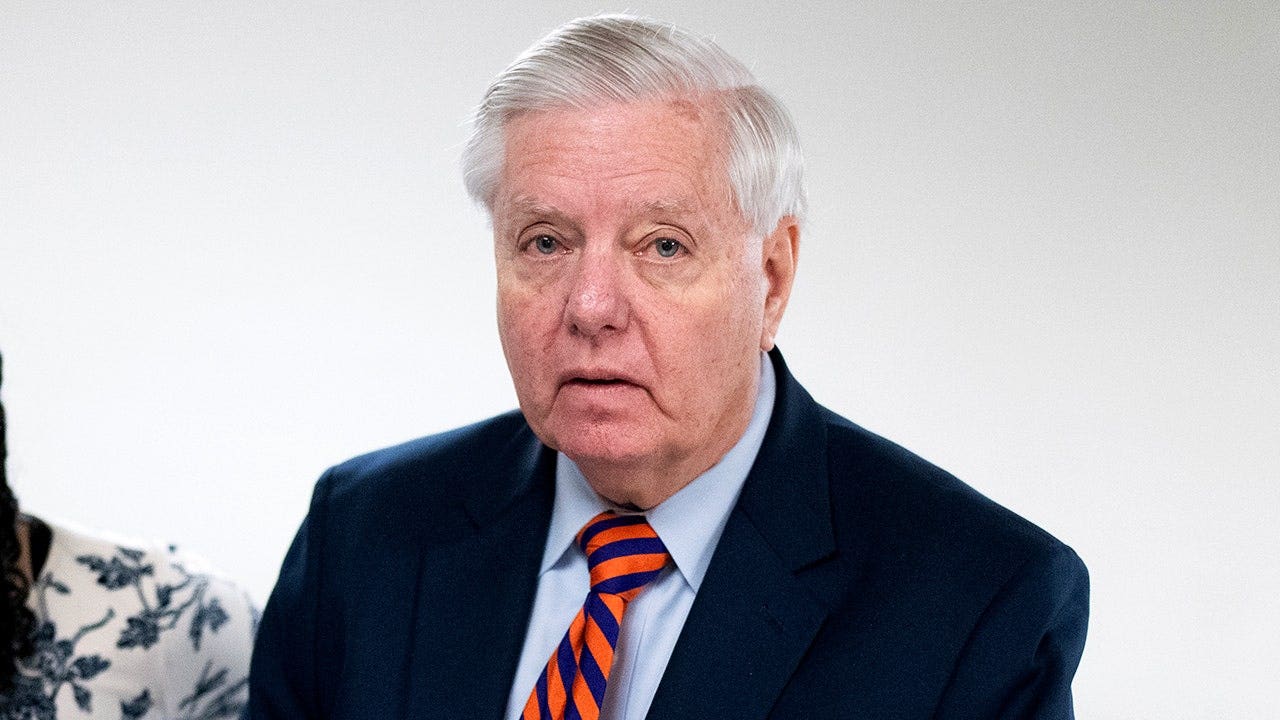
Meanwhile Senator Lindsey Graham, the South Carolina Republican who has spent years urging strikes on Iran, immediately called for escalation. Graham praised the UAE as a “champion ally” and argued that Tehran’s attack on its oil infrastructure justified “a big, strong and short response to inflict further damage on Iran’s war machine.” He floated airstrikes on Kharg Island, Iran’s critical oil export terminal, and suggested the United States should threaten its destruction to prevent Tehran from regenerating its capabilities. Graham’s definition of victory, repeated on Fox News, is regaining open passage through Hormuz and further degrading Iranian military power without a full-scale invasion. Many Americans watching the replay of endless Middle East engagements may wonder why their country must again play global policeman while domestic problems fester.
The timing of Trump’s Hormuz gamble is particularly striking given his simultaneous outreach to Moscow. Just days before the operation began, Trump spoke with Vladimir Putin for nearly two hours. Within 72 hours the administration announced the withdrawal of 5,000 U.S. troops from NATO forces in Germany, a longstanding Russian objective. Trump also lifted sanctions on Russian oil exports, a move that could generate billions in revenue for the Kremlin even as it continues its grinding campaign in Ukraine. American weapons shipments to Kyiv remain frozen. To Putin, these developments must look like Christmas in May. While Washington’s attention and military resources are diverted to the Persian Gulf, Russia advances its goal of weakening NATO’s eastern flank and rebuilding its war chest.
At home the picture is equally troubling. Health and Human Services Secretary Robert Kennedy Jr. has dismantled key public health functions and promoted skepticism toward vaccines, coinciding with rising outbreaks of measles and whooping cough. The Department of Government Efficiency, led by Elon Musk, has slashed federal capacity in ways that have disrupted basic services. A military already facing recruitment shortfalls and cultural division is now being asked to project power halfway around the world against an Iranian regime that has spent years preparing asymmetric responses, including swarms of small boats, coastal missiles, and proxy forces across the region.
U.S. Central Command says guided-missile destroyers, over a hundred aircraft, unmanned systems, and 15,000 personnel are supporting the Hormuz operation. Shipping giant Maersk confirmed one of its U.S.-flagged vessels completed a transit under American protection without incident. Yet Iranian officials insist no unauthorized ships will be permitted through what they regard as their territorial waters, and a senior commander warned that any foreign military presence will be targeted. Qatar, Jordan, Saudi Arabia, and the European Union have condemned Iran’s strike on the UAE, but it remains unclear whether Arab states will provide meaningful support if the confrontation widens.
The ceasefire negotiated in April is now under extreme stress. Each side accuses the other of bad faith. Iran calls Project Freedom “Project Deadlock.” The United States says it is simply upholding the principle that critical international waterways cannot be closed by one hostile power. Both claims contain truth, yet neither addresses the deeper question of why America finds itself, once again, risking direct combat in a region that has consumed American blood and treasure for decades.
Trump campaigned on avoiding unnecessary foreign wars and putting American interests first. His supporters elected him to end the era of forever conflicts and focus on securing the border, reviving manufacturing, and restoring national strength. Instead, events in the Gulf are testing whether that vision can survive contact with entrenched interests that benefit from perpetual engagement. As Iranian missiles fly and American ships move under fire, the cost of miscalculation is rising by the hour. The administration insists the operation is limited and success is near. History suggests such assurances in the Middle East often prove temporary.
You just read America First's take. Want to read what actually happened?
More in Politics

Trump Defends Ramaswamy Ad Using Estranged Mother in Ohio Race
President Trump defended a GOP nominee's ad featuring a Democratic opponent's estranged mother, calling it powerful, while drawing criticism from some Republicans including Ohio Gov. Mike DeWine. The ad has sparked internal GOP tensions ahead of midterms.
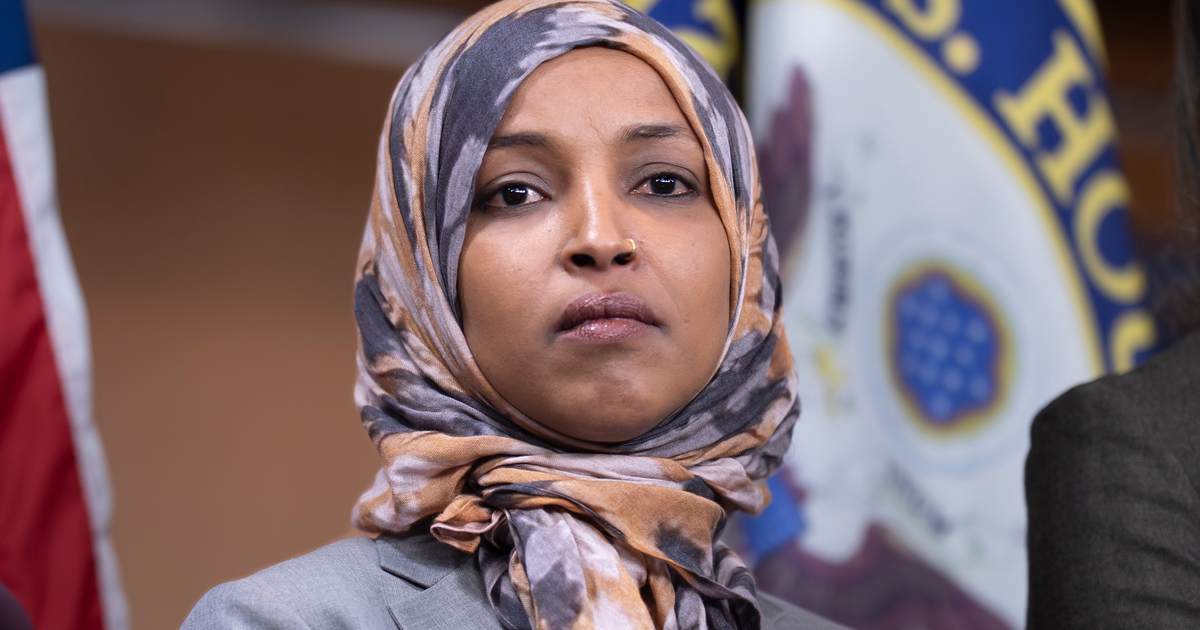
Federal Raid Targets Omar Amid Unresolved Name and Marriage Allegations
Agents searched Rep. Ilhan Omar's DC residence over immigration fraud allegations; she called it bizarre. Reports and commentary questioned her birth name and past marriage details.

Supreme Court Upholds New Hampshire Student ID Voting Ban
The Supreme Court upheld New Hampshire's ban on student IDs as valid voter identification just before midterms, affecting a tight Senate race.
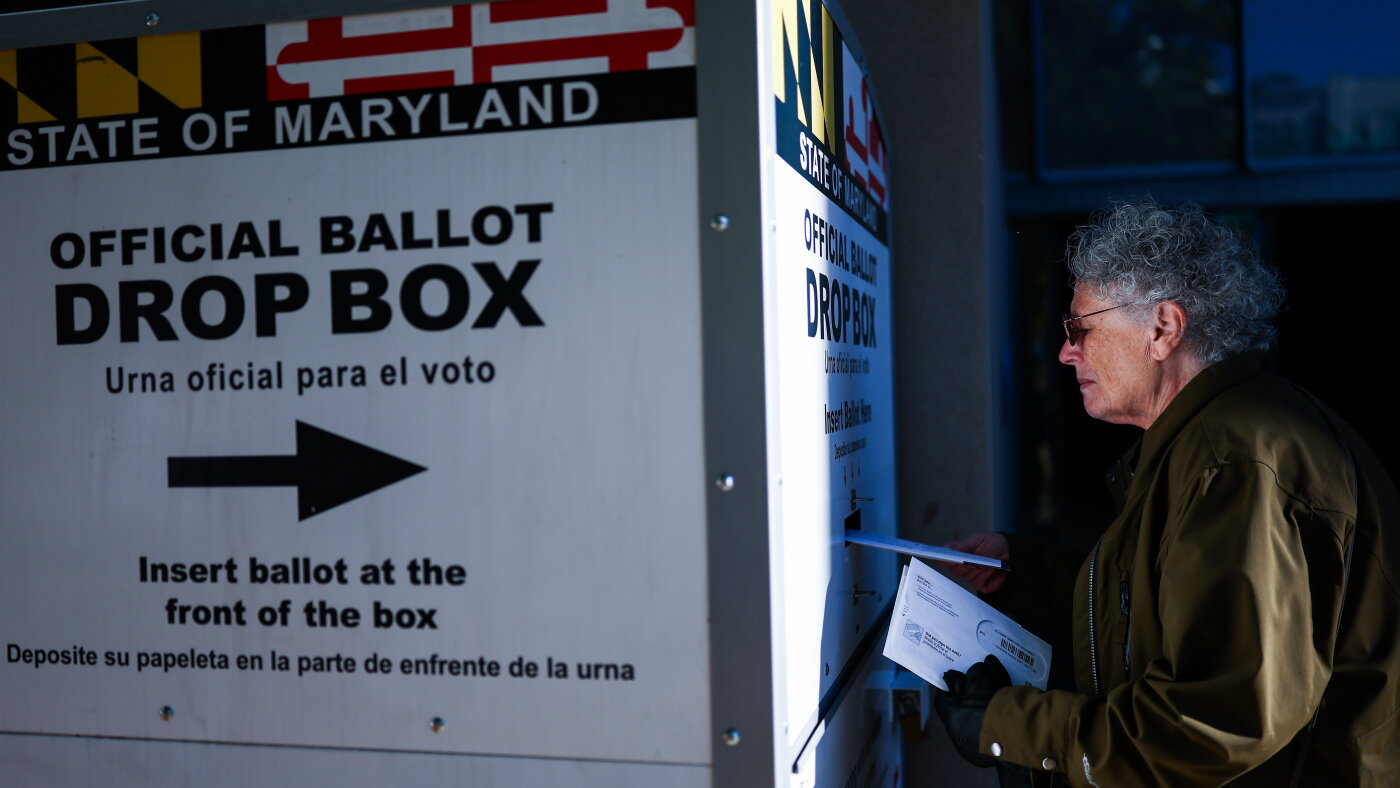
Early Voting Hits 21 Million as Most Trust Midterm Accuracy
Millions have already voted early as parties make final appeals amid $1.4 billion in ad spending; polls show confidence in election accuracy.
The Compass
You just read five takes on one story.
What's your take? Find your political shape in a few minutes.
Take the test