
US-Iran Clashes in Hormuz Test Fragile Ceasefire as Oil Prices Surge
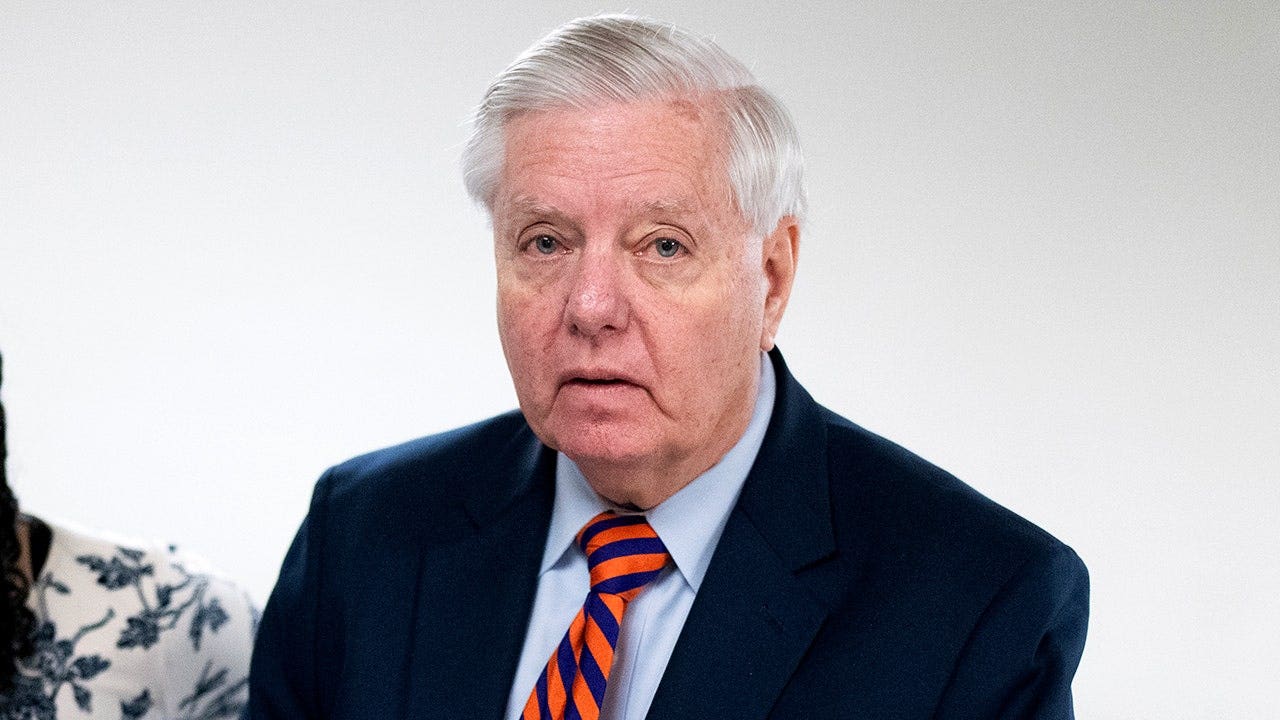
Cover image from foxnews.com, which was analyzed for this article
US forces under Project Freedom escorted commercial ships through the Strait of Hormuz, firing on and destroying Iranian boats that threatened protected vessels. Iran attacked a UAE oil facility and proposed a ceasefire for sanctions relief and US withdrawal, but Trump rejected it insisting on American terms. The exchanges test the fragile truce as a 60-day war powers deadline nears and oil prices fluctuate.
PoliticalOS
Tuesday, May 5, 2026 — Politics
The Strait of Hormuz has become the focal point of a dangerous test between U.S. insistence on freedom of navigation backed by military force and Iran's leverage through closure and limited strikes, all within a ceasefire both sides accuse the other of violating. Diplomatic proposals exist but remain stalled on irreconcilable demands over sanctions, withdrawals and regional security guarantees. Readers should recognize that while initial transits have occurred, scaling safe commercial traffic without triggering wider war remains unproven and oil-market volatility will continue until one side blinks or a compromise is reached.
What outlets missed
Most coverage omitted or downplayed the specific U.S. naval blockade of Iranian ports imposed on April 13, which CENTCOM confirmed had turned back dozens of vessels and which Iran repeatedly cited as the trigger for fully sealing the strait and its subsequent attacks. Iran's detailed 14-point ceasefire proposal, including timelines for sanctions relief within 30 days and linkage to Israeli actions in Lebanon, received only passing mention in a few skeptical outlets while the U.S. rejection on "American terms" was rarely paired with the full list of Iranian conditions. The approaching 60-day war powers resolution deadline in Congress, which could force a formal vote on continued operations, was almost entirely absent despite its potential to shift domestic political leverage. Independent verification status of Iranian civilian casualty claims from the fast-boat strikes and precise Fujairah damage assessments also went unaddressed, leaving readers without clear guidance on what remains corroborated across governments and shipping data.
Trump Risks Escalating a Fragile Middle East Conflict With Hormuz Operation
President Donald Trump’s launch of “Project Freedom” this week to force open the Strait of Hormuz has quickly tested the limits of a tenuous ceasefire with Iran, producing immediate violence, conflicting claims, and fresh warnings of wider war. The operation, which began Monday, reflects an administration bet that American military escorts and blunt threats can restore commercial shipping through the narrow waterway Iran has largely blocked since February. Yet early results suggest the risks are compounding faster than the rewards.
U.S. Central Command reported that two American-flagged merchant vessels successfully transited the strait under military protection, escorted by guided-missile destroyers, aircraft, and unmanned systems. A Maersk container ship also exited the Gulf without incident, according to the company. But Iran immediately denied that any unauthorized commercial traffic had passed, insisting vessels may only cross with its approval. Iranian state media described American accounts of sinking fast boats as fabrications involving civilian vessels, claiming five noncombatants were killed.
The operation has already drawn in America’s regional partners. The United Arab Emirates reported intercepting Iranian ballistic and cruise missiles and said a drone strike sparked a fire at the critical oil port of Fujairah. Qatar, Saudi Arabia, Jordan, Kuwait, the Gulf Cooperation Council, and the European Union condemned the apparent Iranian attack. South Korea separately reported an incident involving one of its cargo ships. Senator Lindsey Graham, a consistent advocate for stronger action, responded by calling for a “big, strong and short” additional strike on Iran’s military infrastructure to protect allies and degrade Tehran’s capacity. Graham defined victory narrowly: restored freedom of navigation, further erosion of Iran’s conventional forces, and a credible threat against its oil terminal at Kharg Island.
Trump himself escalated the rhetoric on Truth Social, warning that any Iranian strike on U.S. vessels would result in Iran being “blown off the face of the earth.” A senior Iranian commander countered that American forces would be targeted if they “approach and enter” the strait. The exchange comes on day 67 of a conflict that began with U.S. and Israeli airstrikes in late February. Iran responded by mining or otherwise obstructing the strait, through which roughly one-fifth of global oil and natural gas trade normally flows. An estimated 20,000 sailors and 2,000 vessels remain stranded, according to maritime organizations, with crews facing dwindling supplies and severe psychological strain. Fuel prices have surged worldwide, rattling economies already sensitive to energy shocks.
The episode highlights deeper tensions in Trump’s second-term approach to global affairs. While pouring resources into the Hormuz confrontation, the administration has simultaneously announced the withdrawal of 5,000 American troops from NATO forces in Germany, a long-standing Russian objective. Trump’s recent two-hour call with Vladimir Putin preceded the lifting of sanctions on Russian oil exports, providing the Kremlin with fresh revenue even as U.S. weapons deliveries to Ukraine remain stalled. These moves occur alongside domestic decisions that have weakened American resilience: significant cuts to public health infrastructure, the elevation of vaccine skepticism at HHS, and Pentagon leadership changes that have lowered morale and readiness according to career officials.
The result is a United States that appears simultaneously aggressive in the Persian Gulf and accommodating toward Moscow. Iran’s ability to disrupt global energy markets has handed it leverage precisely when American conventional deterrence, by some internal assessments, sits at a modern low. Military analysts note that sustained operations in the strait are consuming munitions at a rapid pace, even as recruitment and retention problems persist.
Iranian officials, including Foreign Minister Abbas Araghchi, have cast “Project Freedom” as “Project Deadlock,” arguing there is no purely military solution to what remains a political crisis. First Vice President Mohammad Reza Aref reiterated Iran’s claim that managing the strait is a legitimate sovereign right. Tehran has denied targeting commercial shipping while accusing the United States of undermining regional security.
For now the April ceasefire between Washington and Tehran is holding in outline, yet each day of escorted transits and intercepted projectiles erodes its foundation. Shipping experts remain skeptical that sustained commercial traffic can resume without either a diplomatic breakthrough or a far larger military commitment. The International Maritime Organization continues to warn of humanitarian risks to trapped crews.
Trump’s gamble is clear: project strength, reopen a critical chokepoint, and force Iran to accept diminished regional power. The early returns, however, show an adversary willing to strike American allies and a global economy absorbing fresh punishment. Whether the operation restores navigation or simply widens the conflict will shape not only the Gulf but the broader credibility of American power at a moment when adversaries from Moscow to Beijing are closely watching.
You just read Liberal's take. Want to read what actually happened?
More in Politics
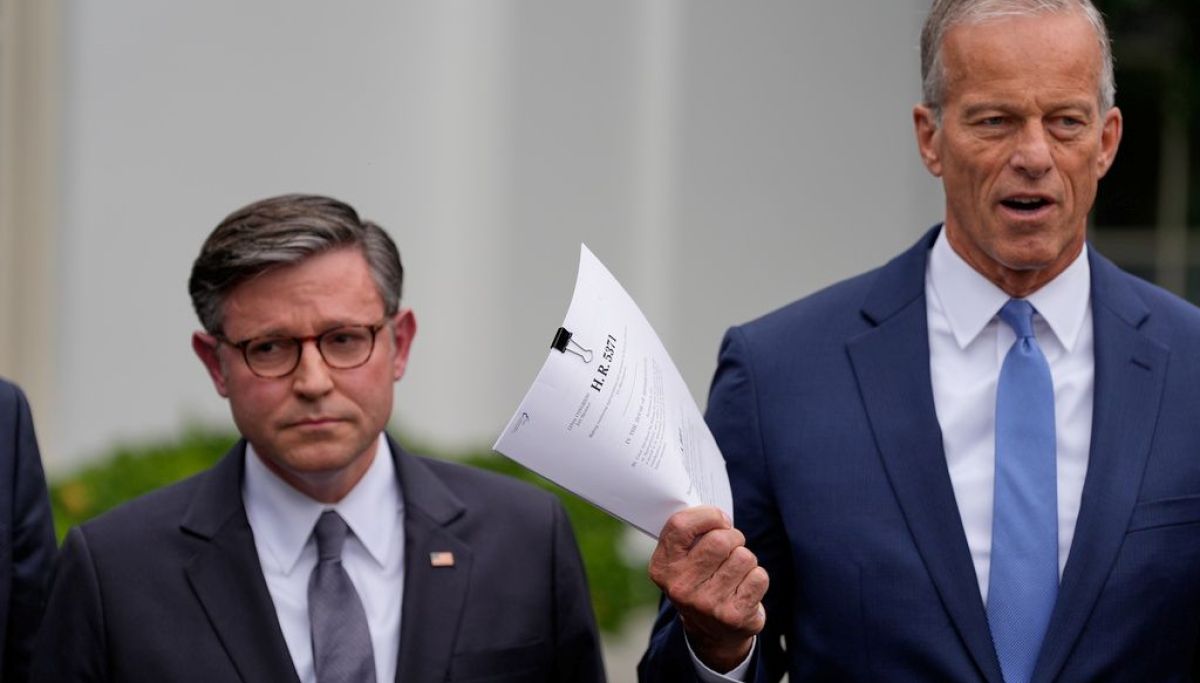
Trump at 32% Approval as Gas Prices Test GOP Midterm Hopes
NYT/Siena polling showed Trump's approval at historic lows around 32 percent with Democrats leading by double digits in key districts. Early voting has surged in battleground states.

Record Early Voting Hits Battlegrounds, Shifting Partisan Shares
AP analysis found hundreds of thousands more early ballots than in 2022 in states including Texas, Ohio, Kansas, Maine, and North Carolina, shifting partisan dynamics.
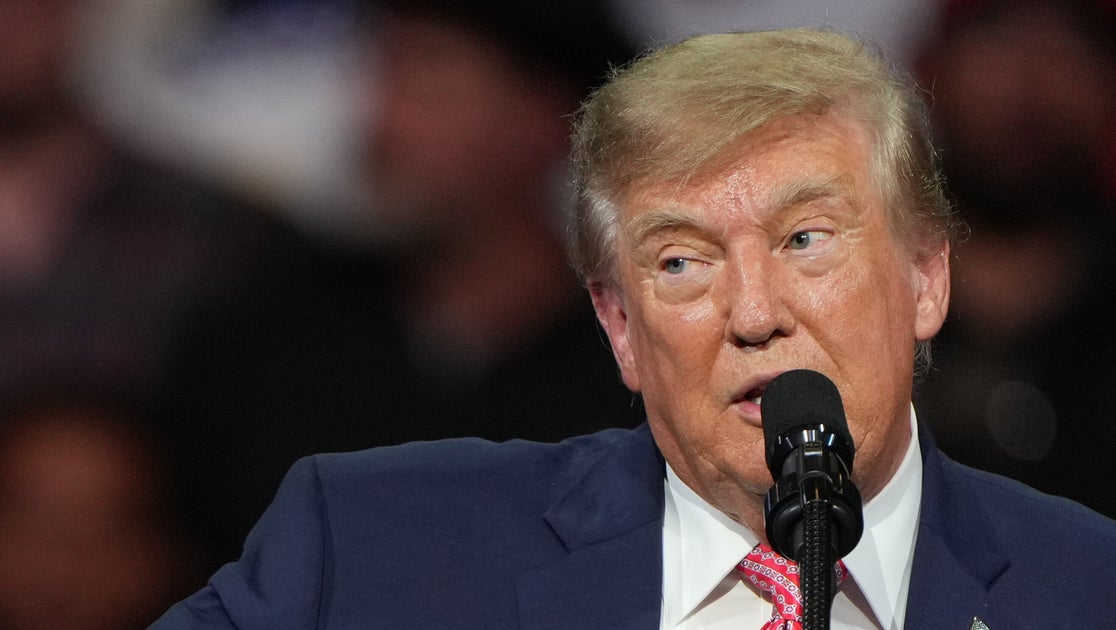
Trump Backs Marshall in Kansas Senate Race Tightened by Farm Costs
President Trump rallied in deep-red Kansas for GOP Sen. Roger Marshall in a competitive race, announcing an $8 billion farm fuel relief program amid high diesel prices. Democrats see an opening to end 94 years of GOP dominance in the state.

Trump Pauses Russia Sanctions Amid Ukraine Tensions and Missile Strikes
Trump waived sanctions on Russia and floated trilateral talks with Putin and Xi as part of ending the Ukraine war, while tensions rose with Zelenskyy over Starlink and arms. Bipartisan senators engaged Zelenskyy amid the shifts.
The Compass
You just read five takes on one story.
What's your take? Find your political shape in a few minutes.
Take the test