
US Pauses Iran Strikes as Hormuz Blockade Fuels Diplomacy Push
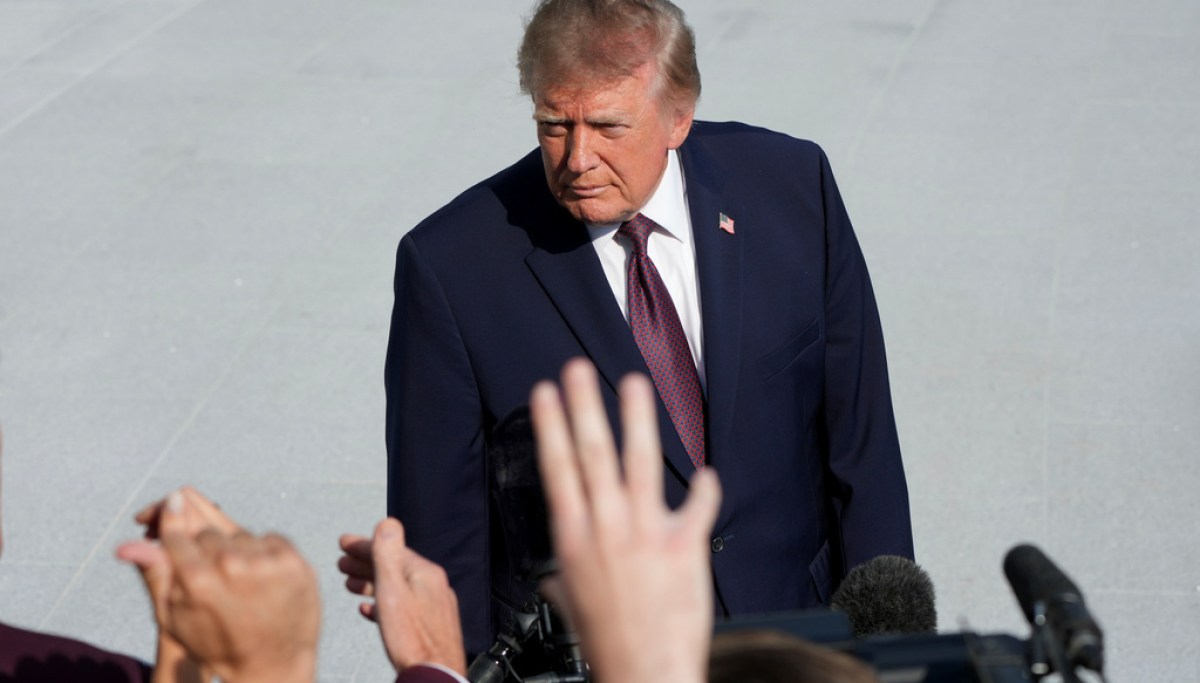
Cover image from businessinsider.com, which was analyzed for this article
President Trump pauses major strikes on Iran amid ongoing tensions involving the Strait of Hormuz, Houthis, and Israel. Multiple outlets report on military actions, blockade enforcement, and diplomatic off-ramps.
PoliticalOS
Sunday, July 26, 2026 — Politics
The current pause reflects both depleted US munitions and active mediation, yet the core dispute over Hormuz transit fees and Iranian nuclear capacity remains unaddressed. Any return to strikes risks further global energy shocks while diplomacy hinges on proposals whose details have not been released.
What outlets missed
Most outlets omitted the specific sequence of Iranian tanker attacks in the Strait of Hormuz that immediately preceded the 13 nights of US strikes beginning July 11. Few detailed the exact terms of the June memorandum of understanding that allowed limited service fees and transit via Omani waters. Coverage rarely included the full list of mediators or the 10-day pause proposal they presented to both sides. The unverified status of internal Pentagon cost estimates ranging from $37 billion to $80-100 billion went largely unnoted.
The temporary halt in US strikes on Iran has eased immediate fears of wider economic disruption from the Strait of Hormuz blockade, yet the underlying standoff over shipping access and nuclear talks remains unresolved. Iranian army spokesman Mohammad Akraminia stated that Tehran halted retaliatory operations after Washington stopped strikes for two nights, citing its policy of responding in kind. US Central Command reported boarding or redirecting multiple vessels attempting to bypass enforcement measures, while state media in Tehran said six ships were stopped in a 24-hour period.
The pause follows nearly five months of conflict that began after Iranian forces targeted tankers in the strait, an action that derailed an earlier interim agreement. President Trump told reporters he had not decided on further escalation and described ongoing talks, though he warned of strikes at a much higher level if no deal emerges. Axios reported that Trump declined authorization for a 14th night of strikes in favor of diplomatic efforts conveyed by mediators including Qatar, Egypt and Pakistan.
Vice President JD Vance and Joint Chiefs Chairman Gen. Dan Caine raised concerns about escalation risks and depleted munitions stocks during a White House meeting, according to CNN. The New York Times cited officials saying Patriot interceptor inventories had reached critically low levels after repeated exchanges. Iranian Foreign Minister Abbas Araghchi offered to facilitate talks between Houthi forces and Saudi Arabia, stating there is no military solution, while Houthi attacks on Saudi Aramco facilities in Jizan and Yanbu prompted Saudi strikes and Greek-operated Patriot intercepts.
A separate Ukrainian long-range strike on an Iranian commercial vessel in the Caspian Sea killed one sailor and wounded another, prompting Tehran to summon Ukrainian diplomats. Ukrainian President Volodymyr Zelenskyy said the target carried military cargo linked to Iran-Russia cooperation. Iranian officials described the incident as a violation of the UN Charter and sought international accountability.
The lull has revived mediation channels, but Iranian armed forces warned that renewed US attacks would widen the conflict ahead of Israeli Prime Minister Benjamin Netanyahu’s visit to Washington. No independent verification exists for exact munitions depletion figures or the full text of mediator proposals now under review in Tehran.
More in Politics

Federal Agents Search Omar Home in Ongoing Immigration Probe
Homeland Security agents searched the Minnesota Democrat's DC residence in a criminal probe, prompting accusations of political intimidation from Omar and Democratic leaders. Coverage spans left-leaning outlets like NPR, BBC, and The Guardian alongside right-leaning criticism from The Federalist and Daily Wire.

Trump Diesel Import Plan Draws Pushback Over Russia Ties
The weekend agreement drew bipartisan congressional pushback and criticism from Ukraine's Zelenskyy, with analysts downplaying US fuel price impacts. Right-leaning outlets like National Review, Dispatch, and Washington Examiner questioned its legality and effectiveness.

Independents Test Voter Appetite for Middle Ground in 2026 Midterms
Nearly 200 independents are running in competitive races as voters weigh ballot measures on housing costs in states like Massachusetts. Left-leaning coverage from NYT, NPR, and Guardian highlights turnout and key races while right outlets focus on GOP strategy.
Trump Rallies in Alaska, Ohio to Bolster GOP Senate Candidates
The president rallied in Wasilla for Sen. Dan Sullivan and faced empty seats at an Ohio event amid midterm concerns. Outlets across the spectrum covered the trips as signals of GOP vulnerability weeks before Election Day.
The Compass
You just read five takes on one story.
What's your take? Find your political shape in a few minutes.
Take the test