
US-Iran Stalemate Reaches Day 62 with Blockade, Polls and No Breakthrough

Cover image from aljazeera.com, which was analyzed for this article
The US-Iran war marked day 62 with no breakthrough, as Trump demands Iran surrender amid ongoing port blockade and failed diplomacy. Discussions emerge of a potential protracted 'frozen' conflict reshaping global energy dynamics. A majority of Americans reportedly view the US as prevailing in the standoff.
PoliticalOS
Thursday, April 30, 2026 — Politics
A naval blockade has sharply curtailed Iranian oil exports and nuclear progress, producing majority American belief that the U.S. holds the upper hand even as the conflict enters its third month. Yet $25 billion in costs, gasoline near $4.30 a gallon and a looming congressional war-powers deadline mean the current stalemate cannot easily continue without resolution on Iran's nuclear future. The single most important reality is that both sides are betting the other will blink first in a contest that already reshapes global energy flows and domestic political calendars.
What outlets missed
Most coverage downplayed or omitted that the February 28 strikes were framed by Israel and U.S. officials as preemptive against an imminent Iranian attack with missiles and drones already triggering Jerusalem sirens. The 90 percent reduction in Iranian sea trade reported by CENTCOM early in the blockade received little repetition despite its importance to claims of effectiveness. Partisan crosstabs in the Harvard CAPS/Harris poll, showing support heavily concentrated among Republicans, were rarely detailed even when topline majority numbers were highlighted. Iranian domestic impacts beyond general food insecurity, including specific casualty figures from initial strikes reported by the Iranian Red Crescent, appeared inconsistently. Finally, the scale of Iranian retaliation damage to Gulf energy sites and U.S. assets was mentioned but seldom quantified against U.S. claims of degraded Iranian nuclear capacity.
Americans Believe Trump Is Winning Against Iran as Blockade Bites
As the Iran conflict reached day 62 on Thursday, a clear majority of Americans have concluded that the United States is winning, even as President Trump directly challenged Tehran to admit defeat and end its nuclear ambitions. A Harvard CAPS/Harris poll conducted April 23-26 found 74 percent of registered voters believe America holds the upper hand, while 54 percent say the country enjoys the advantage in ongoing negotiations. Those numbers stand in stark contrast to the relentless drumbeat of skepticism from legacy media outlets that have painted the operation in relentlessly negative terms.
Trump himself sounded confident this week, declaring that the American blockade of Iranian ports is working exactly as intended. “Just give up,” he urged Tehran, pointing to the mounting pressure on Iran’s ability to export oil. The administration argues that by choking off sea lanes, the United States will eventually force Iran’s storage facilities to overflow, compelling a sharp drop in production. Analysts tracking tanker movements say the regime may only have storage for about 20 more days of output before painful choices become unavoidable.
Iran’s leaders responded with familiar defiance. Parliament Speaker Mohammad Bagher Ghalibaf insisted no oil wells have “exploded” and claimed the country’s storage capacity has not been breached. He dismissed American officials, including Treasury Secretary Scott Bessent, as operating on “junk advice.” Iranian military spokesmen added that their restraint to date was only meant to preserve space for diplomacy. Yet even Tehran’s own statements reveal the strain. Global oil prices have surged past $120 per barrel, and American gasoline has hit a four-year high at the pump. The pain is real for working families filling their tanks, but the administration views it as the necessary cost of confronting a regime that has spent decades threatening its neighbors and racing toward nuclear weapons.
The conflict began February 28 with joint U.S.-Israeli strikes. Trump formally notified Congress on March 2, triggering the 60-day clock under the 1973 War Powers Resolution. That window closes this week, forcing both the White House and lawmakers to confront next steps. A ceasefire has held since April 8, pausing large-scale bombing, yet competing blockades in the Strait of Hormuz continue to snarl energy shipments and raise the specter of renewed violence. Qatar’s foreign ministry warned Wednesday against allowing the standoff to harden into a permanent “frozen conflict” that leaves the nuclear question unresolved and the critical waterway hostage to periodic flare-ups.
White House officials say negotiations continue but will not be rushed into a bad agreement that lets Iran off the hook. Trump and his national security team reviewed a fresh Iranian proposal earlier this week. At the same time, the president held discussions with Russian President Vladimir Putin, though details of that call remained limited. The administration has made clear that all military options remain available, including targeted strikes if Tehran refuses to abandon its nuclear program.
The Harvard-Harris survey also found 52 percent of voters support the recent U.S. airstrikes on Iran, with 54 percent calling those strikes justified. Support for Trump’s overall approach has held steady despite his broader approval rating sitting at lower levels. These results suggest ordinary Americans are less pessimistic than the corporate press, which has filled airwaves and front pages with predictions of quagmire and disaster. The public appears to recognize that limited, focused pressure, rather than another open-ended Middle East occupation, has placed the Iranian regime in a genuine bind.
That bind is visible beyond the oil fields. Iranian sports officials abruptly left Canada this week before a FIFA Congress, citing “inappropriate behavior” by immigration authorities. While a minor episode on its own, it fits a larger pattern of the regime struggling to maintain normal relations with the outside world while its economy buckles.
Critics of the administration warn that prolonged tension risks higher energy costs and potential escalation. Supporters counter that allowing Iran to cross the nuclear threshold would invite far worse consequences, from emboldened attacks on shipping to direct threats against American allies. For now, the data shows most voters side with the latter view. They see a president using economic tools and selective military force to avoid the endless wars of previous decades while still refusing to accept a nuclear Iran.
Whether this pressure produces a genuine breakthrough or settles into a tense standoff remains to be seen. The War Powers deadline will require Congress to decide whether to formally authorize continued operations or force a withdrawal. Trump has signaled he prefers the leverage provided by the blockade and the credible threat of renewed strikes. Tehran’s bluster about unaffected wells and ample storage sounds increasingly hollow against the reality of $120 oil and shrinking export options.
The coming days will test whether Iran’s leadership recognizes the position it is in or chooses instead to double down. For the moment, the American people, at least according to the clearest polling available, believe their side is prevailing. That public confidence may prove as important as any diplomatic cable or carrier group in determining how this confrontation ultimately ends.
You just read America First's take. Want to read what actually happened?
More in Politics
Trump at 32% Approval as Gas Prices Test GOP Midterm Hopes
NYT/Siena polling showed Trump's approval at historic lows around 32 percent with Democrats leading by double digits in key districts. Early voting has surged in battleground states.

Record Early Voting Hits Battlegrounds, Shifting Partisan Shares
AP analysis found hundreds of thousands more early ballots than in 2022 in states including Texas, Ohio, Kansas, Maine, and North Carolina, shifting partisan dynamics.
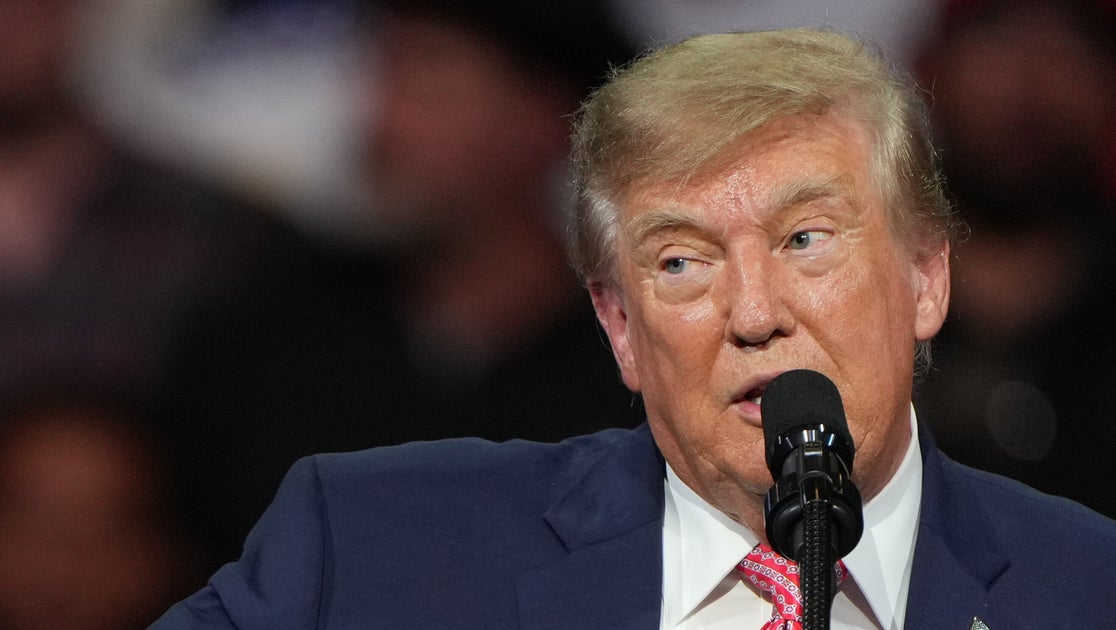
Trump Backs Marshall in Kansas Senate Race Tightened by Farm Costs
President Trump rallied in deep-red Kansas for GOP Sen. Roger Marshall in a competitive race, announcing an $8 billion farm fuel relief program amid high diesel prices. Democrats see an opening to end 94 years of GOP dominance in the state.

Trump Pauses Russia Sanctions Amid Ukraine Tensions and Missile Strikes
Trump waived sanctions on Russia and floated trilateral talks with Putin and Xi as part of ending the Ukraine war, while tensions rose with Zelenskyy over Starlink and arms. Bipartisan senators engaged Zelenskyy amid the shifts.
The Compass
You just read five takes on one story.
What's your take? Find your political shape in a few minutes.
Take the test