
US-Iran Strikes Test Ceasefire as Missiles Target Gulf Allies
Cover image from bbc.com, which was analyzed for this article
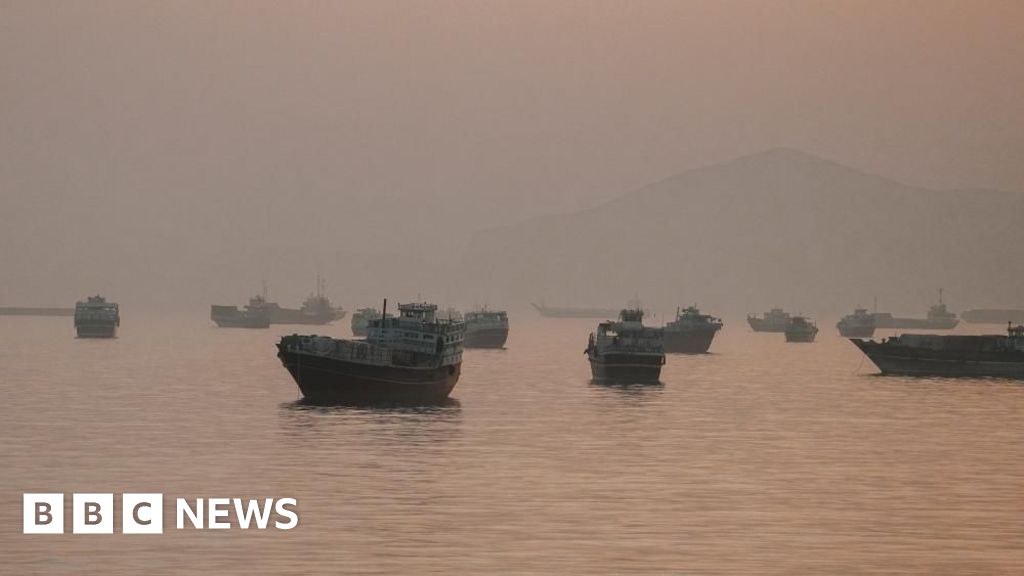
Iran launched drones toward the Strait of Hormuz, with the US military shooting down at least four amid ongoing exchanges of strikes. The flare-up tests a fragile ceasefire and involves regional targets in the Gulf.
PoliticalOS
Saturday, June 6, 2026 — Politics
The latest strikes show both sides continuing limited operations that each describes as defensive while negotiations remain deadlocked over asset releases and shipping access. Any durable settlement must address the linked conflicts in Lebanon and the Gulf or risk further erosion of the April ceasefire.
What outlets missed
Most reports omitted the specific sequence showing US drone intercepts preceded the radar strikes by roughly two hours, leaving readers without a clear timeline of initiation. Few outlets noted that one civilian was killed and dozens wounded at Kuwait’s airport in a prior Iranian barrage three days earlier, the first known fatality in a Gulf state since the ceasefire. Coverage rarely connected Iran’s reported demand for $24 billion in asset releases over 60 days to the immediate risk of renewed escalation if talks collapse.
US Military Counters Iranian Strikes as Gulf Ceasefire Frays
US Central Command reported intercepting Iranian drones and missiles aimed at the Strait of Hormuz and nearby Gulf states, marking another round of exchanges that have repeatedly disrupted efforts to stabilize the region. The incidents occurred as indirect talks between Washington and Tehran remain deadlocked over core demands.
American forces downed four Iranian one-way attack drones headed toward the strait, which officials described as a direct threat to maritime traffic. They followed with strikes on Iranian coastal radar sites in Goruk and on Qeshm Island. Hours later, Iran launched seven ballistic missiles toward Kuwait and Bahrain. Six were intercepted, and the seventh fell short of its target. Iran's Revolutionary Guard Corps claimed the launches targeted US bases in retaliation for prior American actions, though US statements rejected Iranian assertions of damage to facilities in Bahrain.
These flare-ups follow a pattern seen since the ceasefire took hold in April after initial US and Israeli operations against Iranian leadership and assets. Negotiations have dragged on without resolution, with Iran pressing for sanctions relief, access to frozen assets, and an end to port restrictions. The United States has insisted on reopening the Strait of Hormuz and limits on Tehran's nuclear activities. Iran's economy has suffered from the prolonged conflict, pushing inflation to levels unseen since World War II and creating ripple effects that the World Food Programme links to rising hunger risks in nations such as Somalia, Afghanistan, and Sri Lanka through higher energy and food costs.
The Strait of Hormuz remains largely closed to regular traffic, constraining global energy supplies at a time when stable flows matter most for economic activity. Past experience shows that concessions involving asset releases or sanctions easing have often failed to alter adversarial behavior over the long term, instead providing resources that adversaries redirect toward military capabilities. Current Iranian demands reportedly seek upfront payments and phased releases totaling tens of billions, a position that echoes earlier agreements criticized for delivering immediate economic gains without durable security improvements.
Kuwait and Bahrain condemned the missile launches as aggression against their territories and populations. Air raid sirens sounded in both countries, prompting residents to seek shelter. Despite the military activity, the United States issued visas to Iran's national football team for the upcoming World Cup co-hosted with Canada and Mexico, an arrangement officials framed as separate from security matters.
The sequence of drone and missile exchanges illustrates the limits of relying on mediated talks without clear demonstrations of resolve. Sporadic violations have continued even as both sides publicly signal interest in extending the truce. Economic data from the period show sustained pressure on energy markets and downstream effects on vulnerable populations far from the Gulf. Further rounds of such testing risk compounding costs without addressing the underlying incentives that sustain the conflict.
You just read Conservative's take. Want to read what actually happened?
More in Politics

Trump Defends Ramaswamy Ad Using Estranged Mother in Ohio Race
President Trump defended a GOP nominee's ad featuring a Democratic opponent's estranged mother, calling it powerful, while drawing criticism from some Republicans including Ohio Gov. Mike DeWine. The ad has sparked internal GOP tensions ahead of midterms.

Federal Raid Targets Omar Amid Unresolved Name and Marriage Allegations
Agents searched Rep. Ilhan Omar's DC residence over immigration fraud allegations; she called it bizarre. Reports and commentary questioned her birth name and past marriage details.

Supreme Court Upholds New Hampshire Student ID Voting Ban
The Supreme Court upheld New Hampshire's ban on student IDs as valid voter identification just before midterms, affecting a tight Senate race.
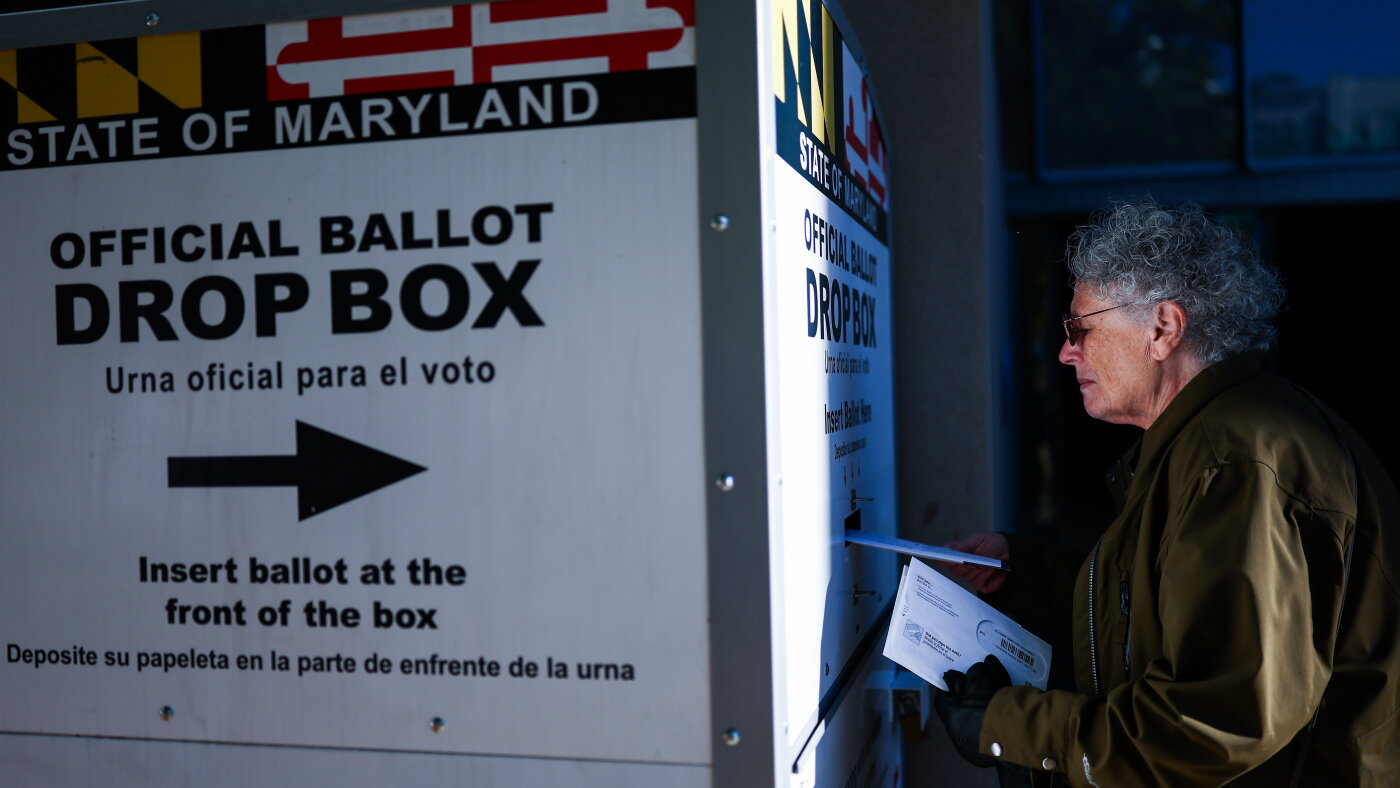
Early Voting Hits 21 Million as Most Trust Midterm Accuracy
Millions have already voted early as parties make final appeals amid $1.4 billion in ad spending; polls show confidence in election accuracy.
The Compass
You just read five takes on one story.
What's your take? Find your political shape in a few minutes.
Take the test