
US-Iran Strikes Test Ceasefire as Missiles Target Gulf Allies
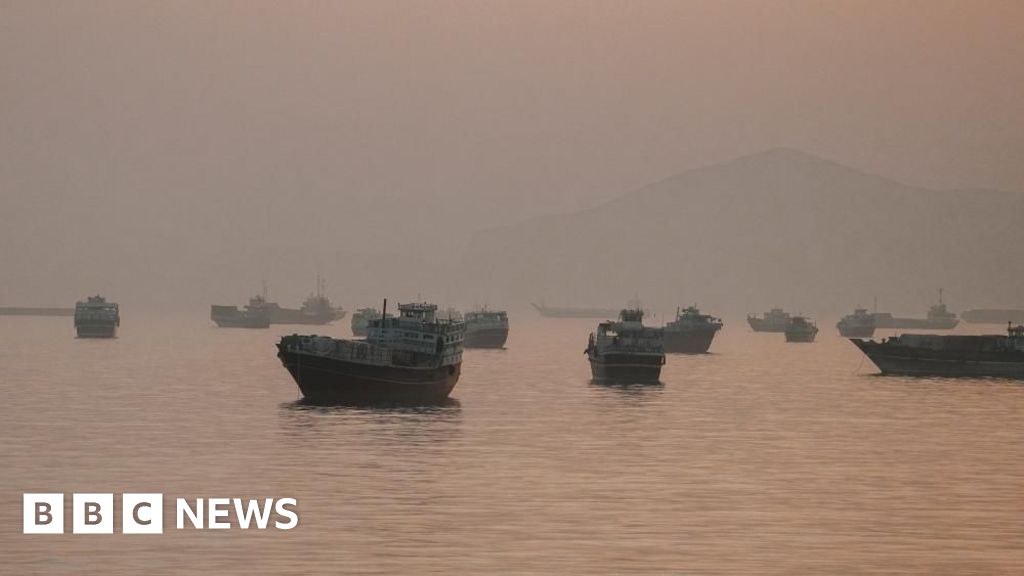
Cover image from bbc.com, which was analyzed for this article
Iran launched drones toward the Strait of Hormuz, with the US military shooting down at least four amid ongoing exchanges of strikes. The flare-up tests a fragile ceasefire and involves regional targets in the Gulf.
PoliticalOS
Saturday, June 6, 2026 — Politics
The latest strikes show both sides continuing limited operations that each describes as defensive while negotiations remain deadlocked over asset releases and shipping access. Any durable settlement must address the linked conflicts in Lebanon and the Gulf or risk further erosion of the April ceasefire.
What outlets missed
Most reports omitted the specific sequence showing US drone intercepts preceded the radar strikes by roughly two hours, leaving readers without a clear timeline of initiation. Few outlets noted that one civilian was killed and dozens wounded at Kuwait’s airport in a prior Iranian barrage three days earlier, the first known fatality in a Gulf state since the ceasefire. Coverage rarely connected Iran’s reported demand for $24 billion in asset releases over 60 days to the immediate risk of renewed escalation if talks collapse.
US and Iran Trade Fresh Strikes as Diplomatic Efforts Stall
The United States military said it intercepted four Iranian drones heading toward the Strait of Hormuz and later struck Iranian radar installations on Qeshm Island and at Goruk after the launches. Iran responded by firing seven ballistic missiles toward US-linked targets in Kuwait and Bahrain, according to statements from US Central Command and Iranian state media. Six of the missiles were shot down and the seventh fell short of its target, with no reported casualties at American facilities.
The exchange fits a pattern that has emerged since the April ceasefire between Washington and Tehran. Both sides have traded limited strikes while indirect talks continue through intermediaries. Iran has pressed for immediate sanctions relief, access to roughly $36 billion in frozen assets, and an end to the US naval presence that has kept its ports largely closed. American negotiators have countered with demands that the strait reopen fully to commercial traffic and that Tehran accept new limits on its nuclear program.
Those core disagreements have kept the two sides from converting the fragile truce into a more durable arrangement. The repeated low-level clashes have also added to global energy market volatility at a time when higher prices are already straining food supplies in import-dependent countries. The World Food Programme has documented sharp rises in hunger risks across parts of Africa and South Asia tied to the combination of elevated fuel and grain costs.
The latest incidents occurred even as the United States issued visas to members of Iran’s national football team for the upcoming World Cup, which the US is co-hosting. Officials described the decision as consistent with long-standing practice that separates athletic competition from diplomatic disputes. Iranian players are scheduled to arrive for a match in Los Angeles later this month.
Regional governments caught in the middle have grown more vocal. Kuwait’s foreign ministry called the missile launches a direct threat to its security, while Bahrain activated air-raid sirens and instructed residents to seek shelter. Both countries host significant US military infrastructure and have urged de-escalation to protect the broader Gulf economy.
For the Trump administration, the flare-ups arrive at a politically awkward moment. Any agreement that includes large upfront financial concessions to Iran risks domestic criticism that the president once leveled at the 2015 nuclear deal. At the same time, renewed military action threatens to widen a conflict that has already lasted nearly three months and shows few signs of producing decisive results for either side. Negotiators on both ends continue to describe the talks as ongoing, yet the gap between stated positions remains wide and the cost of maintaining the current stalemate continues to mount.
You just read Liberal's take. Want to read what actually happened?
More in Politics
Trump at 32% Approval as Gas Prices Test GOP Midterm Hopes
NYT/Siena polling showed Trump's approval at historic lows around 32 percent with Democrats leading by double digits in key districts. Early voting has surged in battleground states.

Record Early Voting Hits Battlegrounds, Shifting Partisan Shares
AP analysis found hundreds of thousands more early ballots than in 2022 in states including Texas, Ohio, Kansas, Maine, and North Carolina, shifting partisan dynamics.
Trump Backs Marshall in Kansas Senate Race Tightened by Farm Costs
President Trump rallied in deep-red Kansas for GOP Sen. Roger Marshall in a competitive race, announcing an $8 billion farm fuel relief program amid high diesel prices. Democrats see an opening to end 94 years of GOP dominance in the state.

Trump Pauses Russia Sanctions Amid Ukraine Tensions and Missile Strikes
Trump waived sanctions on Russia and floated trilateral talks with Putin and Xi as part of ending the Ukraine war, while tensions rose with Zelenskyy over Starlink and arms. Bipartisan senators engaged Zelenskyy amid the shifts.
The Compass
You just read five takes on one story.
What's your take? Find your political shape in a few minutes.
Take the test