
US-Iran Strikes Test Ceasefire as Missiles Target Gulf Allies
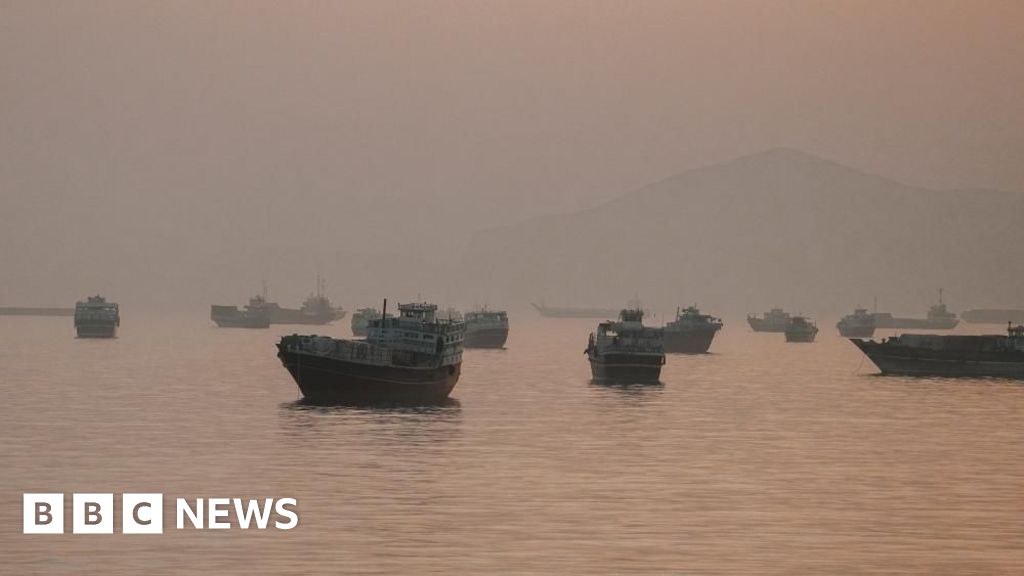
Cover image from bbc.com, which was analyzed for this article
Iran launched drones toward the Strait of Hormuz, with the US military shooting down at least four amid ongoing exchanges of strikes. The flare-up tests a fragile ceasefire and involves regional targets in the Gulf.
PoliticalOS
Saturday, June 6, 2026 — Politics
The latest strikes show both sides continuing limited operations that each describes as defensive while negotiations remain deadlocked over asset releases and shipping access. Any durable settlement must address the linked conflicts in Lebanon and the Gulf or risk further erosion of the April ceasefire.
What outlets missed
Most reports omitted the specific sequence showing US drone intercepts preceded the radar strikes by roughly two hours, leaving readers without a clear timeline of initiation. Few outlets noted that one civilian was killed and dozens wounded at Kuwait’s airport in a prior Iranian barrage three days earlier, the first known fatality in a Gulf state since the ceasefire. Coverage rarely connected Iran’s reported demand for $24 billion in asset releases over 60 days to the immediate risk of renewed escalation if talks collapse.
US-Iran Missile Exchanges Escalate as Fragile Ceasefire Faces Collapse
US forces shot down Iranian drones and missiles in the Gulf on Friday before striking radar sites inside Iran, prompting Tehran to fire ballistic missiles at American positions in Kuwait and Bahrain in the latest round of violence testing a months-old truce. The back-and-forth attacks came as indirect talks to end the conflict remain deadlocked over sanctions relief and access to frozen Iranian assets.
American Central Command said it intercepted four Iranian one-way attack drones heading toward the Strait of Hormuz, which it described as a threat to maritime traffic. US strikes then hit coastal surveillance sites in Goruk and on Qeshm Island. Hours later, Iran launched seven ballistic missiles toward US-linked targets in Kuwait and Bahrain. Centcom reported that six were intercepted and the seventh fell short, with no US casualties confirmed. Iran’s Revolutionary Guards said the missiles targeted bases in retaliation for American attacks on Iranian territory and an oil tanker.
The exchanges follow a pattern of sporadic flare-ups since a ceasefire took hold in April after nearly 100 days of fighting that began with US and Israeli strikes killing senior Iranian leaders. That initial offensive triggered the current war, which has kept the vital Strait of Hormuz largely closed and sent energy prices higher worldwide. Negotiations for a lasting deal have dragged on through mediators, with Iran seeking sanctions waivers and the release of tens of billions in frozen funds while the United States demands the waterway reopen and limits on Tehran’s nuclear activities.
The renewed violence has compounded humanitarian fallout far from the Gulf. The World Food Programme reported this week that millions more people in Somalia, Afghanistan and Sri Lanka are sliding into hunger because of higher food and fuel costs tied to the conflict. Regional states including Kuwait and Bahrain condemned the Iranian missiles as aggression that endangers civilians and stability.
Even as military tensions rose, Washington confirmed it had issued visas to Iran’s national football team for the upcoming World Cup co-hosted by the United States, Canada and Mexico. US officials framed the decision as a gesture that sports can cross borders, though critics noted the contrast with ongoing strikes and the broader policy of isolating Tehran.
Analysts say the core obstacle to any interim agreement remains Iran’s insistence on immediate economic relief that the Trump administration views as politically toxic. Past US promises of a tougher deal than the 2015 nuclear accord have yielded little progress, leaving both sides trading accusations while civilians bear the indirect costs of disrupted trade and rising prices. The latest incidents underscore how quickly the uneasy pause can unravel when either side responds to perceived provocations with force.
You just read Progressive's take. Want to read what actually happened?
More in Politics

Trump Defends Ramaswamy Ad Using Estranged Mother in Ohio Race
President Trump defended a GOP nominee's ad featuring a Democratic opponent's estranged mother, calling it powerful, while drawing criticism from some Republicans including Ohio Gov. Mike DeWine. The ad has sparked internal GOP tensions ahead of midterms.

Federal Raid Targets Omar Amid Unresolved Name and Marriage Allegations
Agents searched Rep. Ilhan Omar's DC residence over immigration fraud allegations; she called it bizarre. Reports and commentary questioned her birth name and past marriage details.

Supreme Court Upholds New Hampshire Student ID Voting Ban
The Supreme Court upheld New Hampshire's ban on student IDs as valid voter identification just before midterms, affecting a tight Senate race.
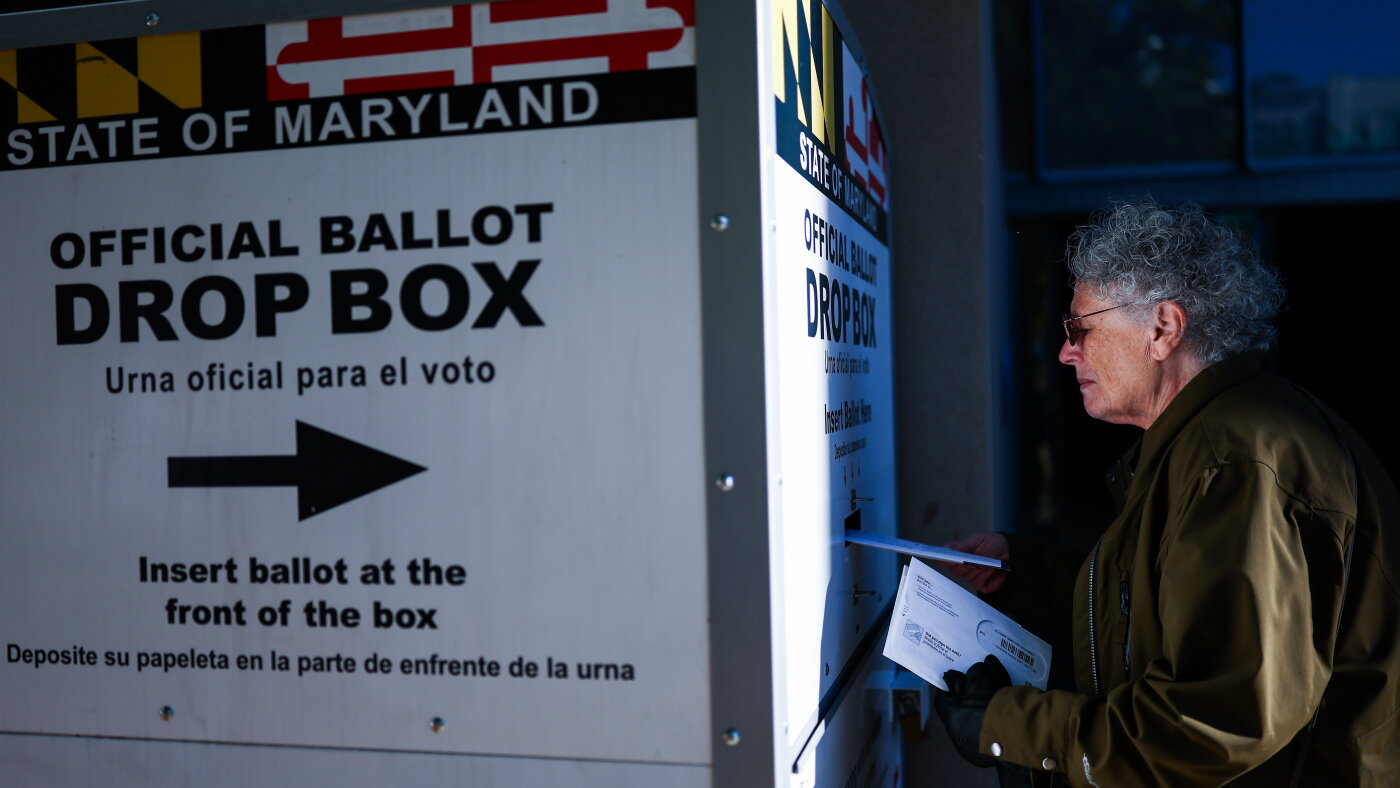
Early Voting Hits 21 Million as Most Trust Midterm Accuracy
Millions have already voted early as parties make final appeals amid $1.4 billion in ad spending; polls show confidence in election accuracy.
The Compass
You just read five takes on one story.
What's your take? Find your political shape in a few minutes.
Take the test