
Iranian Missiles Hit Kuwait Airport as US-Iran Clashes Resume

Cover image from aljazeera.com, which was analyzed for this article
US forces struck Iranian sites while Iran launched missiles hitting Kuwait and other Gulf targets. Fighting intensifies amid stalled diplomacy and impacts on energy prices.
PoliticalOS
Wednesday, June 3, 2026 — Politics
The latest strikes illustrate how quickly a fragile April ceasefire can unravel when each side views the other's actions as violations that justify retaliation. Civilian infrastructure in Gulf states now faces direct risk while global energy markets absorb the effects of sustained Hormuz restrictions. No diplomatic breakthrough appears imminent as nuclear and blockade issues remain unresolved.
What outlets missed
Most accounts omitted the precise sequence beginning with the U.S. strike on the M/T Lexie tanker and the resulting Iranian claim of a retaliatory naval missile launch. Few noted the one confirmed fatality alongside injuries at the Kuwait airport or the explicit linkage between stalled nuclear talks and Israeli actions in Lebanon. Coverage also underplayed the blockade's cumulative economic pressure on Iran versus the more immediate market effects of Hormuz restrictions. Unverified Iranian assertions about striking specific U.S. bases received varying levels of qualification across reports.
Kuwait International Airport suspended all flights after Iranian missiles and drones struck its main terminal, injuring several people and damaging facilities in the latest round of strikes that risk widening a conflict already disrupting global energy flows.
The attack occurred early Wednesday as the United States and Iran traded blows across the Gulf. Kuwait's Directorate General of Civil Aviation reported significant damage to Terminal 1 and activated emergency protocols that diverted incoming flights. The country's foreign ministry stated that the strikes killed one person and wounded others while also affecting diplomatic missions. U.S. Central Command said two Iranian missiles aimed at Kuwait fell short or broke apart and that additional drones targeting U.S. forces in the country were intercepted, with no American personnel harmed.
CENTCOM described its own actions as self-defense, including a strike on an Iranian military ground control station on Qeshm Island and the disabling of a Botswana-flagged tanker attempting to reach Iran in violation of the U.S. blockade. The tanker, identified as the M/T Lexie, was hit in the engine room after ignoring repeated warnings. Iranian state media reported that U.S. forces first struck an Iranian oil tanker near the Strait of Hormuz, prompting Iranian missile and drone launches toward U.S. assets in Kuwait and Bahrain.
Iran's Foreign Ministry condemned the Qeshm Island strike and the tanker attack as violations of the April 8 ceasefire. It held Kuwait and Bahrain responsible for allowing their territory to support U.S. operations and reserved the right to respond further. CENTCOM rejected Iranian claims of successful strikes on the U.S. Fifth Fleet headquarters in Bahrain and a regional airbase, stating that all such projectiles were intercepted or missed.
The exchanges come on day 96 of the conflict and follow a temporary ceasefire that has not produced a final agreement. Secretary of State Marco Rubio told Congress that sanctions relief remains tied to Iranian nuclear concessions rather than any opening of the Strait of Hormuz. Iranian negotiator Mohammad Bagher Ghalibaf warned that continued Israeli operations in Lebanon could end talks. Both sides have reported no direct communication in recent days despite earlier statements that discussions were ongoing.
Related fighting continues in Lebanon, where Israeli strikes killed at least five people and wounded dozens more in southern towns. Hezbollah said it launched attacks on Israeli positions in response. The cumulative effect of the Hormuz closure and blockade has already tightened global oil supplies, though specific price movements were not detailed in immediate reporting.
More in Politics
Trump at 32% Approval as Gas Prices Test GOP Midterm Hopes
NYT/Siena polling showed Trump's approval at historic lows around 32 percent with Democrats leading by double digits in key districts. Early voting has surged in battleground states.

Record Early Voting Hits Battlegrounds, Shifting Partisan Shares
AP analysis found hundreds of thousands more early ballots than in 2022 in states including Texas, Ohio, Kansas, Maine, and North Carolina, shifting partisan dynamics.
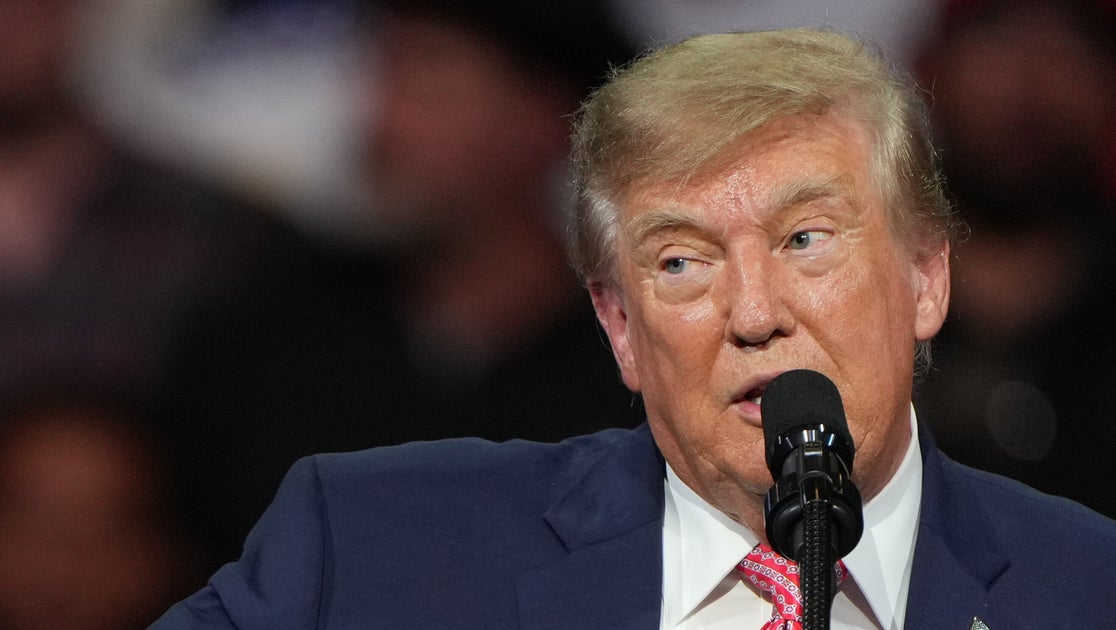
Trump Backs Marshall in Kansas Senate Race Tightened by Farm Costs
President Trump rallied in deep-red Kansas for GOP Sen. Roger Marshall in a competitive race, announcing an $8 billion farm fuel relief program amid high diesel prices. Democrats see an opening to end 94 years of GOP dominance in the state.

Trump Pauses Russia Sanctions Amid Ukraine Tensions and Missile Strikes
Trump waived sanctions on Russia and floated trilateral talks with Putin and Xi as part of ending the Ukraine war, while tensions rose with Zelenskyy over Starlink and arms. Bipartisan senators engaged Zelenskyy amid the shifts.
The Compass
You just read five takes on one story.
What's your take? Find your political shape in a few minutes.
Take the test