
Iranian Missiles Hit Kuwait Airport as US-Iran Clashes Resume

Cover image from aljazeera.com, which was analyzed for this article
US forces struck Iranian sites while Iran launched missiles hitting Kuwait and other Gulf targets. Fighting intensifies amid stalled diplomacy and impacts on energy prices.
PoliticalOS
Wednesday, June 3, 2026 — Politics
The latest strikes illustrate how quickly a fragile April ceasefire can unravel when each side views the other's actions as violations that justify retaliation. Civilian infrastructure in Gulf states now faces direct risk while global energy markets absorb the effects of sustained Hormuz restrictions. No diplomatic breakthrough appears imminent as nuclear and blockade issues remain unresolved.
What outlets missed
Most accounts omitted the precise sequence beginning with the U.S. strike on the M/T Lexie tanker and the resulting Iranian claim of a retaliatory naval missile launch. Few noted the one confirmed fatality alongside injuries at the Kuwait airport or the explicit linkage between stalled nuclear talks and Israeli actions in Lebanon. Coverage also underplayed the blockade's cumulative economic pressure on Iran versus the more immediate market effects of Hormuz restrictions. Unverified Iranian assertions about striking specific U.S. bases received varying levels of qualification across reports.
Renewed Gulf Strikes Test Fragile US Iran Ceasefire
The latest round of attacks across the Persian Gulf has again raised questions about whether a temporary ceasefire between the United States and Iran can hold after nearly 100 days of conflict. Iranian missiles and drones struck Kuwait International Airport early Wednesday, causing damage to terminal facilities and forcing the suspension of all flights, according to Kuwaiti authorities. Reports on casualties differed, with Kuwaits foreign ministry stating that one person was killed and several others wounded, while US Central Command said several Iranian projectiles either fell short or were intercepted before reaching their targets.
The strikes came hours after the United States conducted what it described as self defense operations on Irans Qeshm Island. CENTCOM reported that it had defeated a series of Iranian missile and drone launches aimed at regional neighbors, though Iranian state media claimed the Islamic Revolutionary Guard Corps had successfully targeted US military assets including helicopters in Kuwait and the headquarters of the US Fifth Fleet in Bahrain. Sirens sounded in Bahrain during the incident, though no independent confirmation of damage to the fleet headquarters has been released.
The exchange followed an earlier incident in which US forces reportedly struck an Iranian oil tanker near the Strait of Hormuz, damaging its engine room, according to Iranian accounts. Tehran said it responded by firing on a US Israeli linked vessel before the United States hit an IRGC communications tower on Qeshm Island. Both sides presented competing narratives of who initiated the latest cycle, and many of the claims could not be independently verified amid restricted access to the affected areas.
Kuwait International Airport had only recently resumed limited operations after repeated closures since the war began in late February. The latest damage forced authorities to divert incoming flights and activate emergency protocols while engineers assessed structural harm to Terminal 1. The incident also affected unnamed diplomatic missions in Kuwait, according to the foreign ministry statement that condemned the attacks on civilian infrastructure.
Diplomacy has shown little progress toward de escalation. US officials have indicated that sanctions relief remains contingent on Iran agreeing to limits on its enriched uranium stockpile, a position that has complicated Pakistan mediated efforts to revive talks. The temporary ceasefire reached on April 8 had reduced large scale exchanges for several weeks, yet both sides have continued to test boundaries through lower intensity strikes and proxy actions.
The pattern of Iranian attacks on Gulf states hosting US forces has been a recurring feature of the conflict, even as Washington has sought to prevent a broader regional war. CENTCOMs assessment that many Iranian missiles failed to reach their intended targets suggests ongoing questions about the effectiveness of Tehrans longer range systems under current conditions. At the same time, the decision to strike Qeshm Island reflects a US strategy of responding directly to perceived threats while avoiding deeper incursions into Iranian territory.
With the conflict now in its 96th day, the latest flare up underscores how quickly localized incidents can unravel diplomatic pauses. Kuwait and Bahrain, both hosts to significant US military presence, have found themselves drawn into the fighting despite their efforts to maintain neutrality. The immediate priority for regional governments appears to be restoring airport operations and assessing infrastructure damage, while the larger question of whether sustained negotiations can still prevent a return to full scale hostilities remains unresolved.
You just read Liberal's take. Want to read what actually happened?
More in Politics
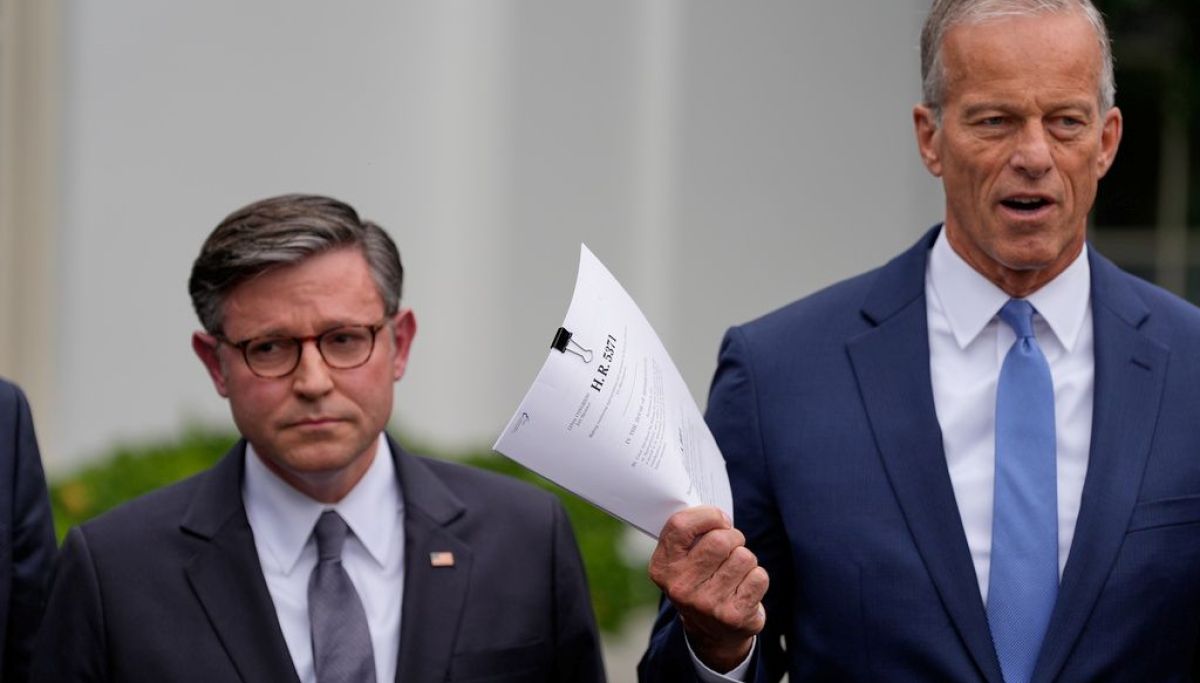
Trump at 32% Approval as Gas Prices Test GOP Midterm Hopes
NYT/Siena polling showed Trump's approval at historic lows around 32 percent with Democrats leading by double digits in key districts. Early voting has surged in battleground states.

Record Early Voting Hits Battlegrounds, Shifting Partisan Shares
AP analysis found hundreds of thousands more early ballots than in 2022 in states including Texas, Ohio, Kansas, Maine, and North Carolina, shifting partisan dynamics.
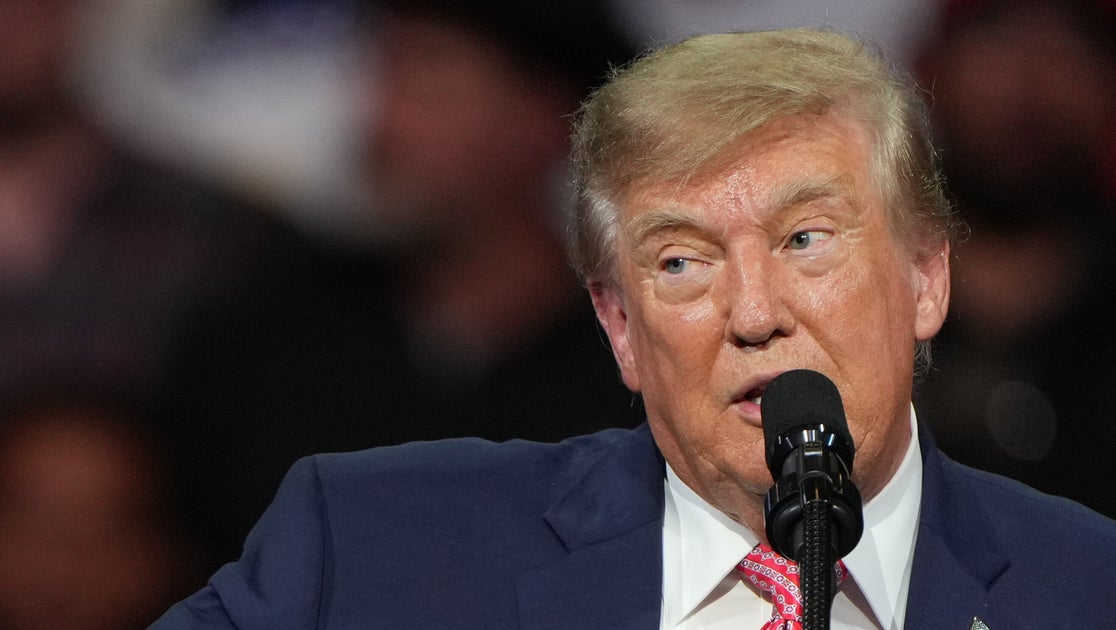
Trump Backs Marshall in Kansas Senate Race Tightened by Farm Costs
President Trump rallied in deep-red Kansas for GOP Sen. Roger Marshall in a competitive race, announcing an $8 billion farm fuel relief program amid high diesel prices. Democrats see an opening to end 94 years of GOP dominance in the state.

Trump Pauses Russia Sanctions Amid Ukraine Tensions and Missile Strikes
Trump waived sanctions on Russia and floated trilateral talks with Putin and Xi as part of ending the Ukraine war, while tensions rose with Zelenskyy over Starlink and arms. Bipartisan senators engaged Zelenskyy amid the shifts.
The Compass
You just read five takes on one story.
What's your take? Find your political shape in a few minutes.
Take the test