
US-Iran Ceasefire Frays at 100 Days With New Strikes, Oil Risks
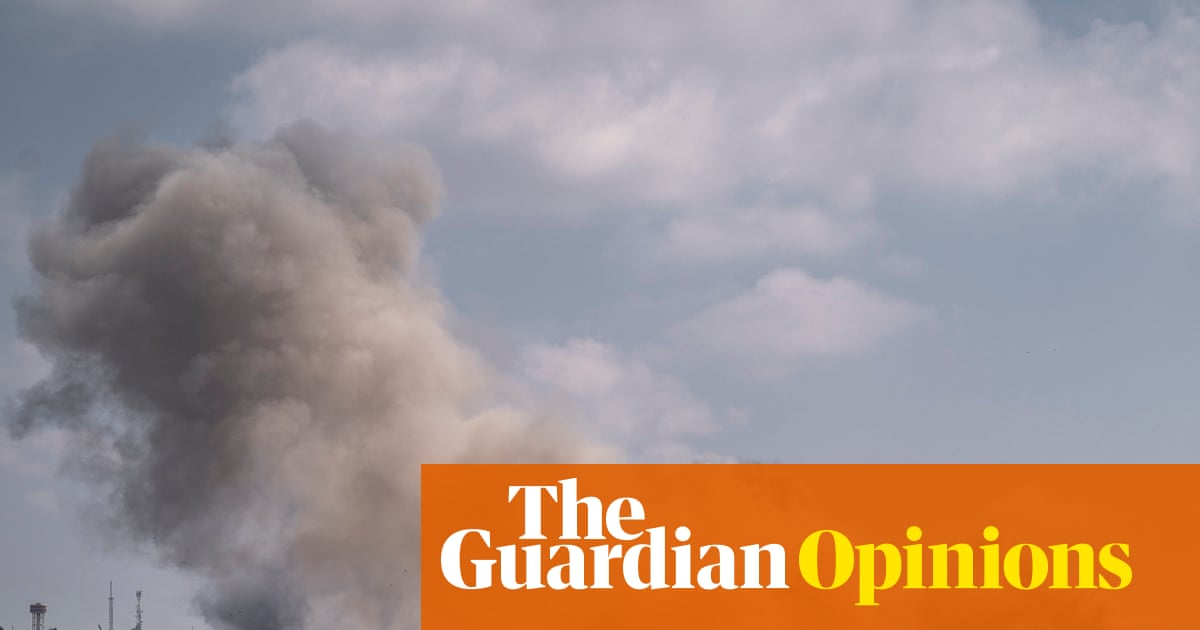
Cover image from theguardian.com, which was analyzed for this article
Trump comments on Iran's nuclear pledges amid ongoing strikes and stalled talks. Coverage examines the 100-day mark of conflict and its regional fallout.
PoliticalOS
Sunday, June 7, 2026 — Politics
The 100-day mark shows a ceasefire that neither side fully observes, with new strikes raising the risk of wider economic disruption through the Strait of Hormuz. Diplomacy led by Pakistan continues without agreement, while Congress has begun to reassert limits on presidential authority.
What outlets missed
No outlet supplied verified casualty totals from Iranian territory or independent confirmation of the Minab school incident. Coverage omitted the specific scale of UAE air strikes on Iran reported by the Wall Street Journal and Saudi strikes noted by Reuters. The role of the US strategic petroleum reserve drawdowns and their statutory limits received no sustained attention. Congressional action on war-powers limits appeared only in opinion columns rather than as a documented legislative development.
Oil markets and global shipping lanes face renewed pressure as the United States and Iran exchanged fire again on the 100th day of their conflict. CENTCOM reported shooting down two Iranian drones near the Strait of Hormuz on June 7, 2026; Iran replied with missiles aimed at US-linked sites in Bahrain and Kuwait. The April 8 ceasefire has not halted these exchanges or ended Israel's separate operations in Lebanon.
The war began February 28 after US and Israeli strikes on Iranian targets. A fragile truce followed three months of fighting that closed much of the Strait of Hormuz to commercial traffic. Pakistan has led mediation, sending Interior Minister Mohsin Naqvi to Tehran with a letter from its prime minister and army chief. Indirect talks have produced no agreement on reopening the waterway or releasing frozen Iranian assets.
Gulf states have condemned Iranian missile and drone strikes on their territory while avoiding deeper involvement. Oman, Qatar, the UAE, Bahrain, Kuwait, and Saudi Arabia each issued statements rejecting attacks on their soil and urging de-escalation. European allies declined to join combat operations but opposed regime change. Russia and China backed diplomatic channels. India and Egypt called for restraint and safe passage for shipping.
Economic effects are accumulating. Industry executives told Politico that global petroleum inventories are falling faster than at any recent point, with buffers nearing exhaustion. Chevron CEO Mike Wirth warned that the market's capacity to absorb the imbalance has diminished sharply. Green-energy exports from China have offset some shortages in Asia and Africa, yet refined-fuel shortfalls threaten import-dependent nations.
Casualty figures remain partial. Lebanese authorities reported three soldiers killed in an Israeli strike on a military vehicle in the south. Hezbollah said it struck an Israeli command post. Inside Iran, state media have cited thousands of deaths and injuries since February, though independent verification is limited. The US administration has redirected some frozen assets toward Gulf reconstruction claims.
Congressional Republicans joined Democrats to pass a House resolution limiting presidential war powers. Four Republicans supported the measure. A Senate vote could follow. Former defense secretary Leon Panetta described the conflict as a potential long-term entanglement comparable in miscalculation, though not in scale, to Vietnam.
More in Politics

Trump Defends Ramaswamy Ad Using Estranged Mother in Ohio Race
President Trump defended a GOP nominee's ad featuring a Democratic opponent's estranged mother, calling it powerful, while drawing criticism from some Republicans including Ohio Gov. Mike DeWine. The ad has sparked internal GOP tensions ahead of midterms.
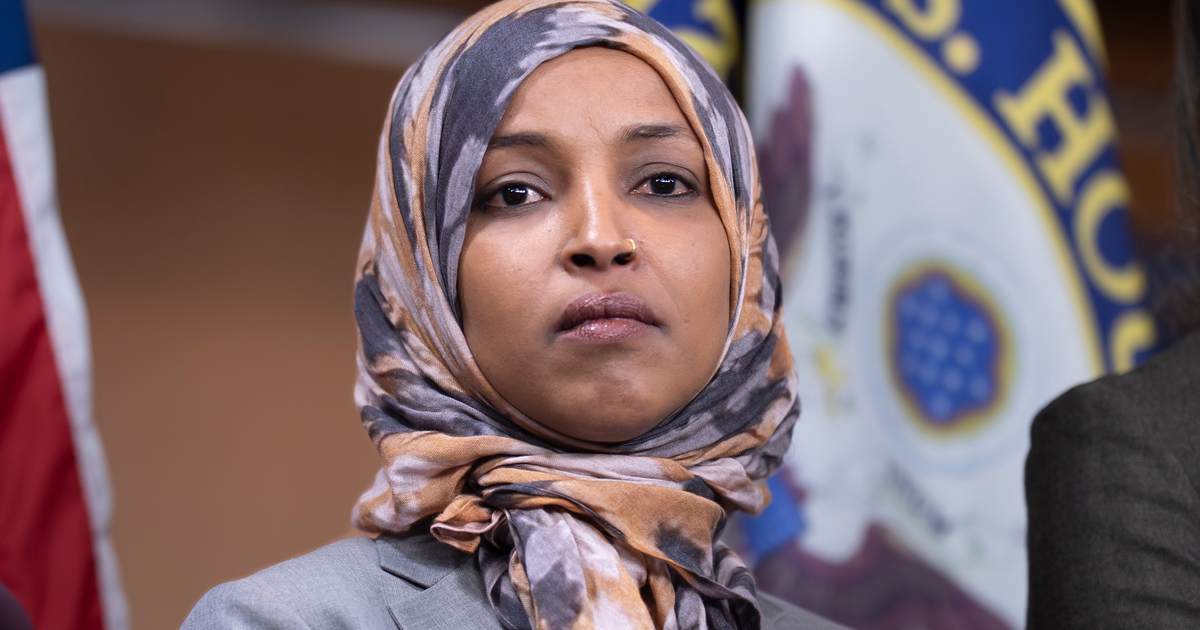
Federal Raid Targets Omar Amid Unresolved Name and Marriage Allegations
Agents searched Rep. Ilhan Omar's DC residence over immigration fraud allegations; she called it bizarre. Reports and commentary questioned her birth name and past marriage details.

Supreme Court Upholds New Hampshire Student ID Voting Ban
The Supreme Court upheld New Hampshire's ban on student IDs as valid voter identification just before midterms, affecting a tight Senate race.
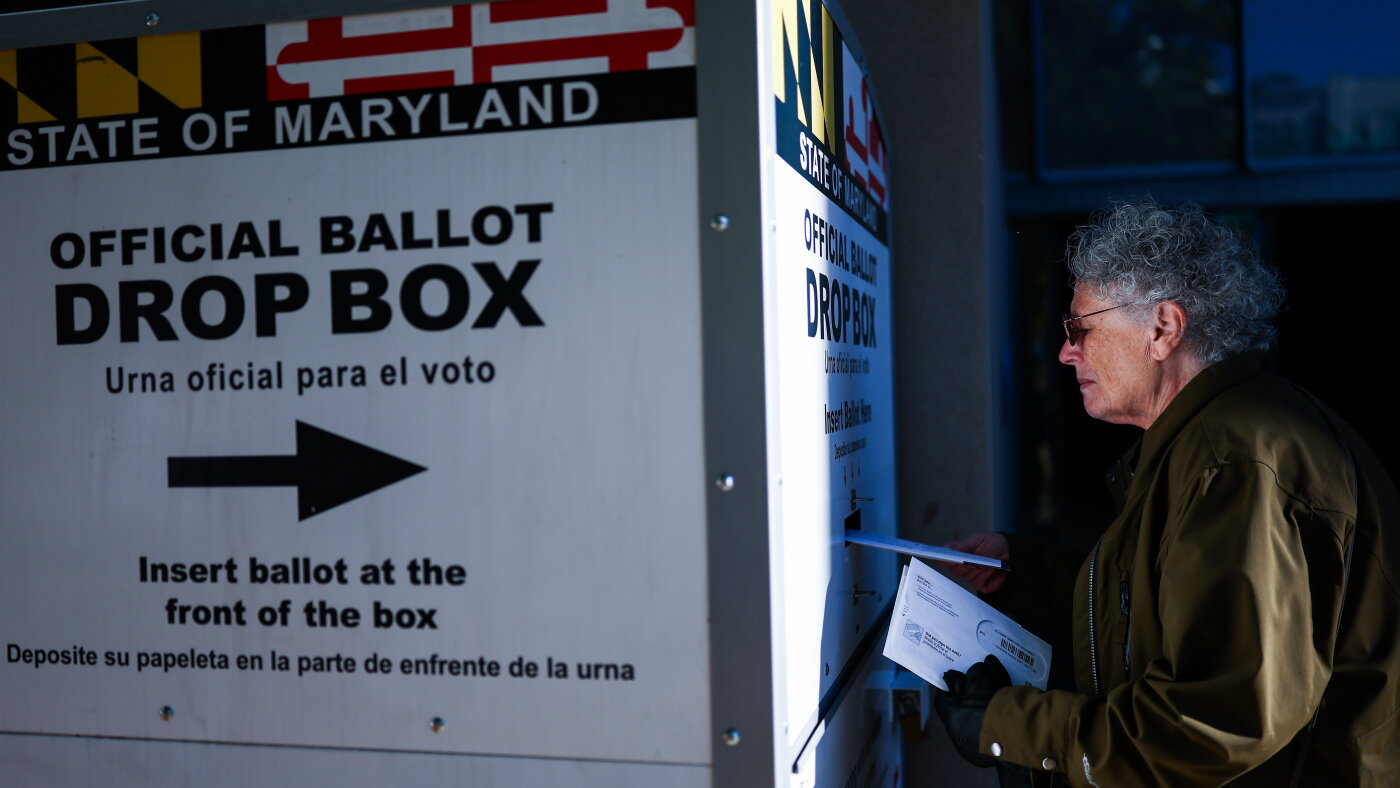
Early Voting Hits 21 Million as Most Trust Midterm Accuracy
Millions have already voted early as parties make final appeals amid $1.4 billion in ad spending; polls show confidence in election accuracy.
The Compass
You just read five takes on one story.
What's your take? Find your political shape in a few minutes.
Take the test