
US-Iran Ceasefire Frays at 100 Days With New Strikes, Oil Risks
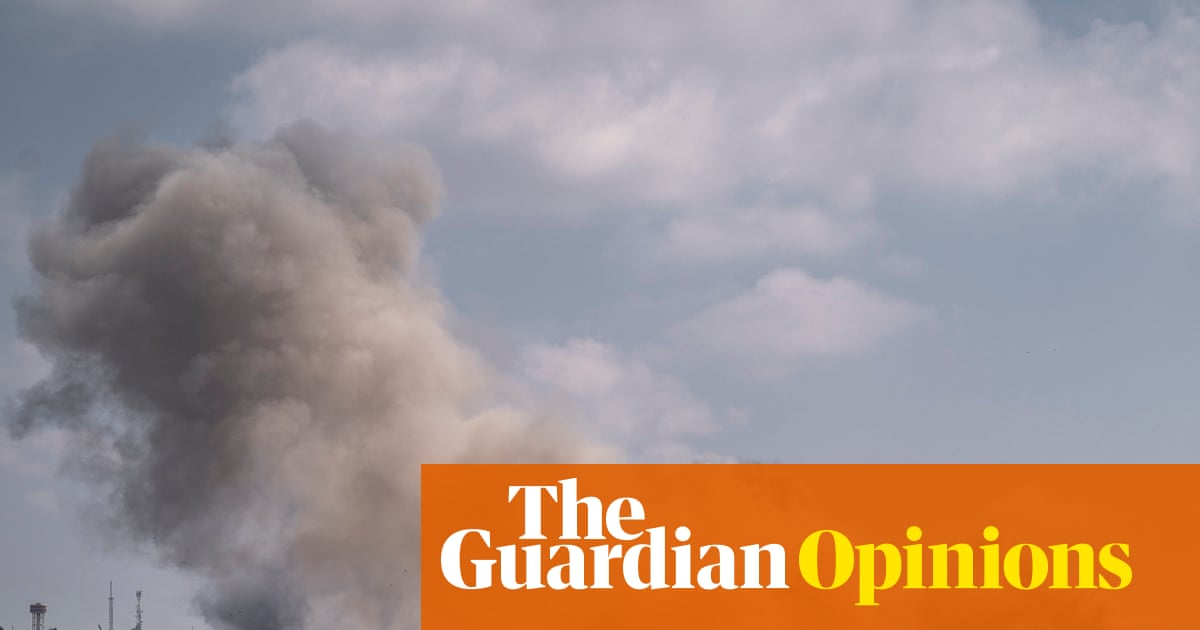
Cover image from theguardian.com, which was analyzed for this article
Trump comments on Iran's nuclear pledges amid ongoing strikes and stalled talks. Coverage examines the 100-day mark of conflict and its regional fallout.
PoliticalOS
Sunday, June 7, 2026 — Politics
The 100-day mark shows a ceasefire that neither side fully observes, with new strikes raising the risk of wider economic disruption through the Strait of Hormuz. Diplomacy led by Pakistan continues without agreement, while Congress has begun to reassert limits on presidential authority.
What outlets missed
No outlet supplied verified casualty totals from Iranian territory or independent confirmation of the Minab school incident. Coverage omitted the specific scale of UAE air strikes on Iran reported by the Wall Street Journal and Saudi strikes noted by Reuters. The role of the US strategic petroleum reserve drawdowns and their statutory limits received no sustained attention. Congressional action on war-powers limits appeared only in opinion columns rather than as a documented legislative development.
US-Led Campaign Against Iran Reaches 100 Days With Fresh Exchanges and Mounting Costs
The United States and Israel launched their military operation against Iran roughly 100 days ago, an effort that has since drawn in additional fronts in Lebanon and the Gulf while disrupting energy markets worldwide. A ceasefire reached on April 8 has held only intermittently, with fresh incidents reported this week including American forces downing Iranian drones near the Strait of Hormuz and Iranian missile strikes on targets in Bahrain and Kuwait.
Central Command confirmed the drone interceptions as threats to shipping lanes that carry a significant share of global oil and gas supplies. Iranian officials described the American actions as violations of the April agreement and warned of further responses. At the same time, Israeli operations continued in southern Lebanon, where local authorities reported additional military casualties and civilian displacement.
Economic effects have spread beyond the immediate combatants. Higher oil prices and shipping uncertainty have contributed to volatility in commodity markets and slower growth projections in multiple regions. Gulf states, though critical of Iranian retaliation on their soil, have avoided deeper entanglement and have pressed for renewed diplomatic channels. European governments have withheld direct participation while urging restraint on regime-change objectives.
Pakistan has taken a visible role in shuttle diplomacy, with its interior minister arriving in Tehran for talks aimed at de-escalation. Russia and China have publicly opposed the original military moves, while countries facing higher energy costs have called for any settlement that reopens the Strait of Hormuz without prolonged blockade.
The pattern of broken pauses echoes difficulties seen in other recent conflicts where initial objectives expanded and enforcement of limits proved elusive. Observers note that indirect talks have produced little beyond temporary halts, leaving naval traffic and regional supply lines under continued pressure. For American taxpayers and consumers, the combination of sustained deployments, elevated fuel costs, and uncertain strategic returns illustrates once more how foreign military commitments can generate expenses that extend well beyond the battlefield.
You just read Conservative's take. Want to read what actually happened?
More in Politics

Trump Defends Ramaswamy Ad Using Estranged Mother in Ohio Race
President Trump defended a GOP nominee's ad featuring a Democratic opponent's estranged mother, calling it powerful, while drawing criticism from some Republicans including Ohio Gov. Mike DeWine. The ad has sparked internal GOP tensions ahead of midterms.
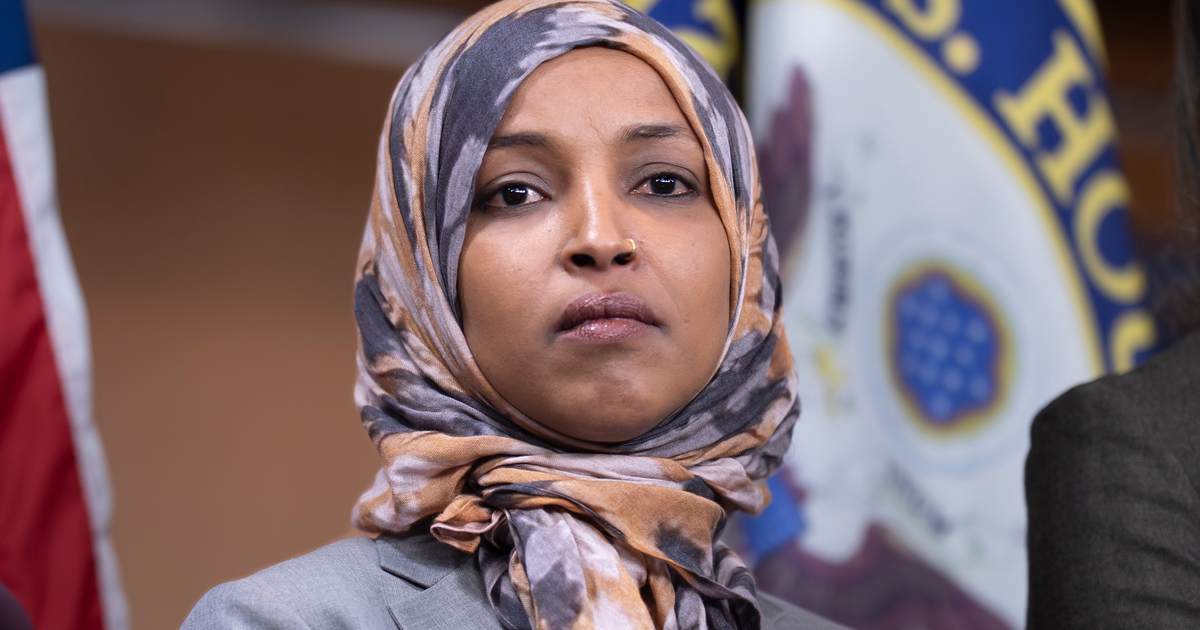
Federal Raid Targets Omar Amid Unresolved Name and Marriage Allegations
Agents searched Rep. Ilhan Omar's DC residence over immigration fraud allegations; she called it bizarre. Reports and commentary questioned her birth name and past marriage details.

Supreme Court Upholds New Hampshire Student ID Voting Ban
The Supreme Court upheld New Hampshire's ban on student IDs as valid voter identification just before midterms, affecting a tight Senate race.
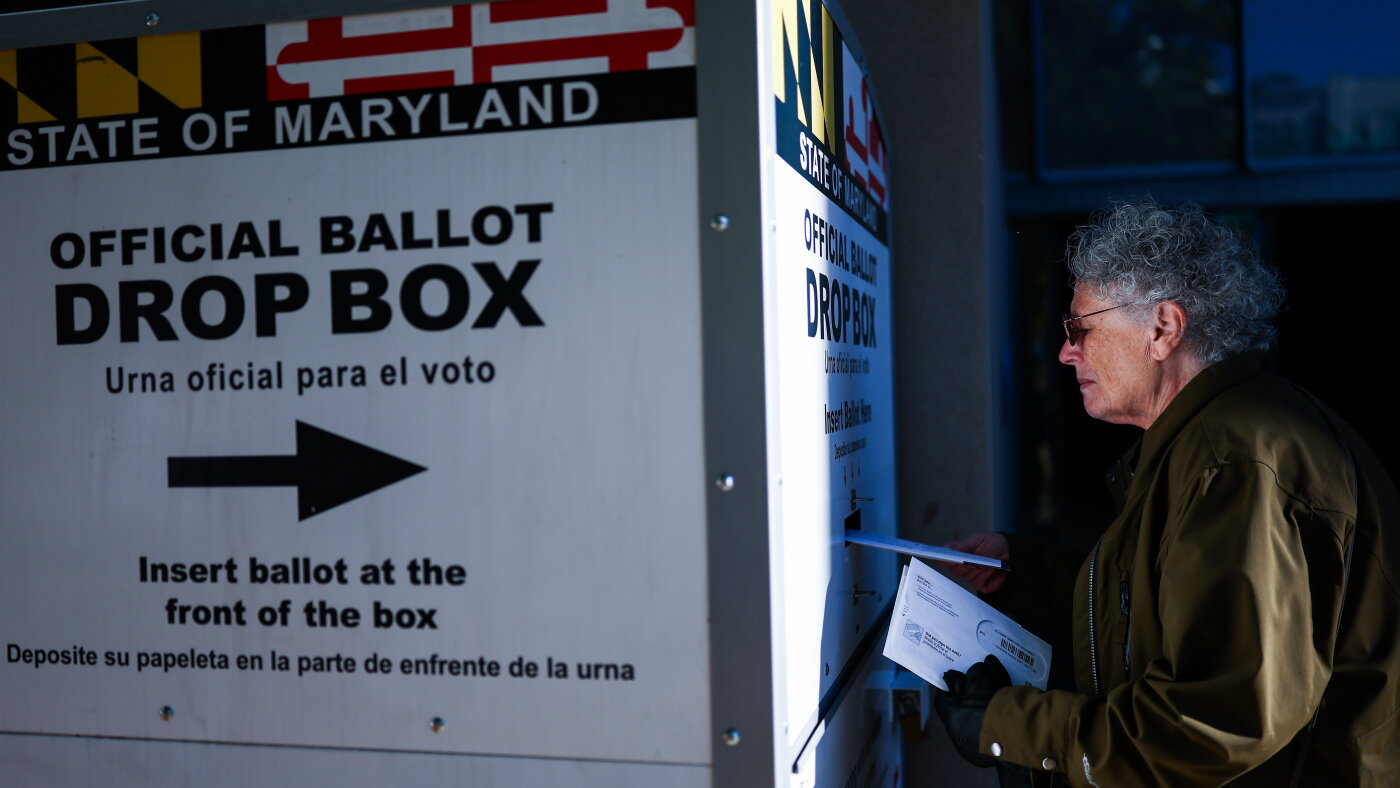
Early Voting Hits 21 Million as Most Trust Midterm Accuracy
Millions have already voted early as parties make final appeals amid $1.4 billion in ad spending; polls show confidence in election accuracy.
The Compass
You just read five takes on one story.
What's your take? Find your political shape in a few minutes.
Take the test