
US-Iran Ceasefire Frays at 100 Days With New Strikes, Oil Risks
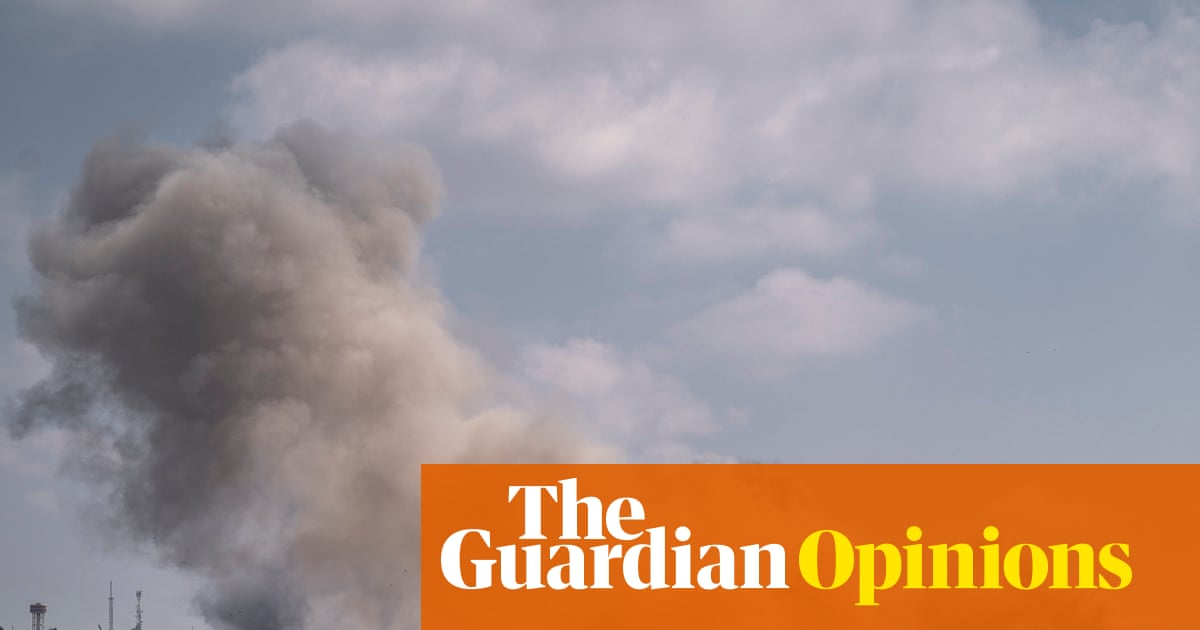
Cover image from theguardian.com, which was analyzed for this article
Trump comments on Iran's nuclear pledges amid ongoing strikes and stalled talks. Coverage examines the 100-day mark of conflict and its regional fallout.
PoliticalOS
Sunday, June 7, 2026 — Politics
The 100-day mark shows a ceasefire that neither side fully observes, with new strikes raising the risk of wider economic disruption through the Strait of Hormuz. Diplomacy led by Pakistan continues without agreement, while Congress has begun to reassert limits on presidential authority.
What outlets missed
No outlet supplied verified casualty totals from Iranian territory or independent confirmation of the Minab school incident. Coverage omitted the specific scale of UAE air strikes on Iran reported by the Wall Street Journal and Saudi strikes noted by Reuters. The role of the US strategic petroleum reserve drawdowns and their statutory limits received no sustained attention. Congressional action on war-powers limits appeared only in opinion columns rather than as a documented legislative development.
Trump's Iran Conflict Hits 100 Days With No End in Sight
The United States and Israel launched their campaign against Iran one hundred days ago, and the results so far include a shaky ceasefire, fresh exchanges of fire, and mounting pressure on global energy supplies. American forces shot down two Iranian drones near the Strait of Hormuz this week, according to Central Command, while Iran answered with missiles aimed at Bahrain and Kuwait. Those strikes drew sharp complaints from Gulf governments already struggling with disrupted shipping lanes.
The April 8 ceasefire was supposed to pause major combat, yet violations keep occurring on multiple fronts. Israel has continued operations in Lebanon, where more than three thousand people have died since the broader fighting expanded. Iranian officials call the American and Israeli actions unprovoked aggression, and they have restored limited internet access and some gas production at the South Pars field while talks drag on. Pakistani Interior Minister Mohsin Naqvi arrived in Tehran on Saturday for meetings with Iranian foreign minister Abbas Araghchi, part of an effort by several nations to find an off-ramp.
European allies avoided outright condemnation of the initial attacks but refused to join the campaign and made clear they oppose any attempt at regime change. Russia and China have both criticized the operation and called for negotiations. Countries hit hardest by higher oil prices have joined the diplomatic push, with Pakistan emerging as one of the more active intermediaries. Meanwhile, the United States Congress has moved to strengthen military ties with Israel even as the economic fallout from the conflict spreads.
Leon Panetta, who served in multiple high-level national security posts across party lines, has described the situation as a potential long-term trap. The former defense secretary and CIA director warned that the early economic effects are only beginning to register and that conditions could worsen sharply by fall. Markets have already shown volatility tied to the uncertainty over Gulf oil flows, and the UN has raised alarms about rising food insecurity in several affected regions.
Trump campaigned on ending endless wars and cutting bad deals, yet the Iran operation now sits alongside stalled ceasefires in Ukraine and Gaza as another test of that promise. Daily incidents, from drone intercepts to missile salvos, show how fragile the current pause remains. Ordinary households in the United States and abroad feel the pinch through energy costs and supply disruptions while diplomats from multiple capitals scramble to contain the damage.
The pattern of repeated violations suggests that neither side views the April agreement as a lasting settlement. With indirect talks producing little more than warnings and counter-warnings, the risk of another sharp escalation remains high. Gulf states that once sought stable relations with all parties now find themselves caught between Iranian retaliation and American military presence. For American taxpayers, the open-ended commitment adds another line to defense spending at a time when domestic priorities compete for the same dollars.
You just read America First's take. Want to read what actually happened?
More in Politics

Trump at 32% Approval as Gas Prices Test GOP Midterm Hopes
NYT/Siena polling showed Trump's approval at historic lows around 32 percent with Democrats leading by double digits in key districts. Early voting has surged in battleground states.

Record Early Voting Hits Battlegrounds, Shifting Partisan Shares
AP analysis found hundreds of thousands more early ballots than in 2022 in states including Texas, Ohio, Kansas, Maine, and North Carolina, shifting partisan dynamics.

Trump Backs Marshall in Kansas Senate Race Tightened by Farm Costs
President Trump rallied in deep-red Kansas for GOP Sen. Roger Marshall in a competitive race, announcing an $8 billion farm fuel relief program amid high diesel prices. Democrats see an opening to end 94 years of GOP dominance in the state.

Trump Pauses Russia Sanctions Amid Ukraine Tensions and Missile Strikes
Trump waived sanctions on Russia and floated trilateral talks with Putin and Xi as part of ending the Ukraine war, while tensions rose with Zelenskyy over Starlink and arms. Bipartisan senators engaged Zelenskyy amid the shifts.
The Compass
You just read five takes on one story.
What's your take? Find your political shape in a few minutes.
Take the test