
US-Iran Ceasefire Frays at 100 Days With New Strikes, Oil Risks
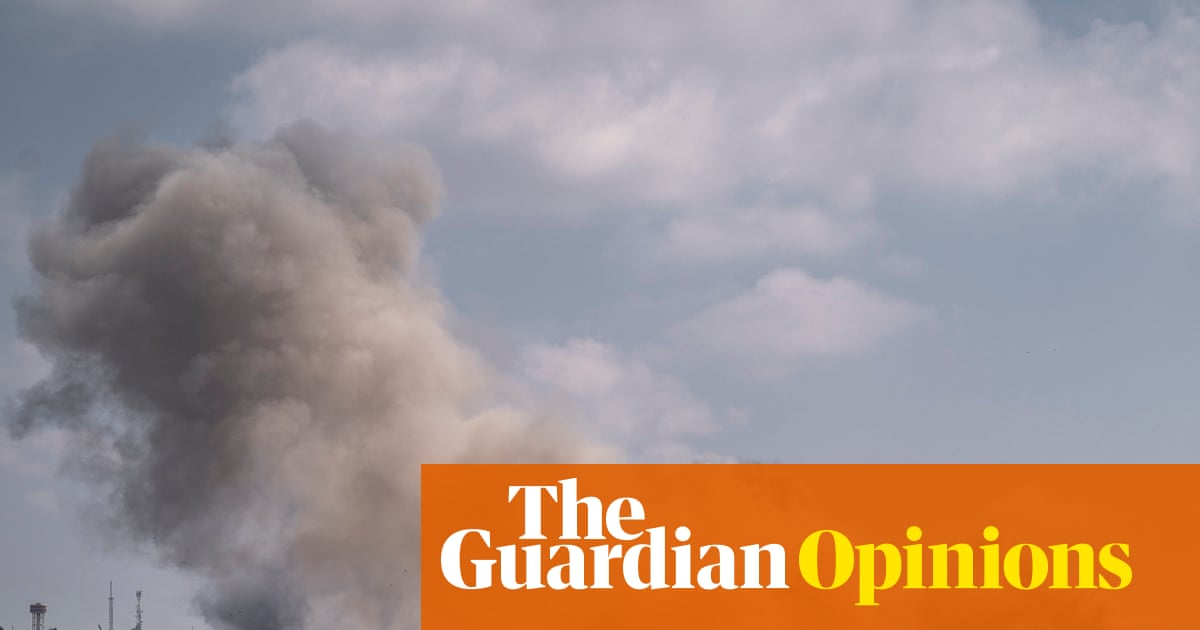
Cover image from theguardian.com, which was analyzed for this article
Trump comments on Iran's nuclear pledges amid ongoing strikes and stalled talks. Coverage examines the 100-day mark of conflict and its regional fallout.
PoliticalOS
Sunday, June 7, 2026 — Politics
The 100-day mark shows a ceasefire that neither side fully observes, with new strikes raising the risk of wider economic disruption through the Strait of Hormuz. Diplomacy led by Pakistan continues without agreement, while Congress has begun to reassert limits on presidential authority.
What outlets missed
No outlet supplied verified casualty totals from Iranian territory or independent confirmation of the Minab school incident. Coverage omitted the specific scale of UAE air strikes on Iran reported by the Wall Street Journal and Saudi strikes noted by Reuters. The role of the US strategic petroleum reserve drawdowns and their statutory limits received no sustained attention. Congressional action on war-powers limits appeared only in opinion columns rather than as a documented legislative development.
US Iran Conflict Marks 100 Days With Renewed Strikes and Strained Diplomacy
The United States and Israel launched their military campaign against Iran 100 days ago, a conflict that has since expanded into Lebanon and triggered fresh exchanges of fire this week despite an April 8 ceasefire. American forces shot down two Iranian drones near the Strait of Hormuz on Saturday, prompting Iran to launch missiles toward Bahrain and Kuwait. Those strikes drew immediate condemnation from Gulf governments already grappling with spillover from the fighting.
The renewed clashes underscore how difficult it has become to enforce any durable pause in hostilities. Israel has continued operations in Lebanon, where at least 3,000 people have been killed since the ceasefire was announced. Iranian officials described the American drone interceptions as violations of the April agreement, while Washington framed its actions as necessary to protect international shipping lanes that carry a significant share of global oil and gas supplies.
The economic consequences are already visible. Higher energy prices and market volatility have darkened growth forecasts across multiple continents. Countries far from the battlefield have urged renewed talks, with Pakistan emerging as one of the more active intermediaries. Pakistani Interior Minister Mohsin Naqvi arrived in Tehran on Saturday for meetings with Iranian Foreign Minister Abbas Araghchi, part of an ongoing effort to broker indirect discussions between Washington and Tehran.
European allies have largely stayed on the sidelines. They avoided outright condemnation of the initial US-Israeli campaign but made clear they would not join combat operations or support efforts at regime change. Russia and China have both criticized the intervention, aligning with their broader pushback against American military actions in the region. Gulf states, meanwhile, have condemned Iranian missile strikes on their territory while avoiding deeper entanglement.
Former defense secretary Leon Panetta, whose government career spans the Nixon, Clinton, and Obama administrations, has described the conflict as carrying the risk of prolonged entanglement. He has pointed to early economic signals that suggest wider pain ahead, particularly if energy disruptions persist into the fall. Those warnings come as negotiators struggle to convert the fragile April truce into a more lasting framework.
The parallel fighting in Lebanon has further complicated diplomacy. Israeli strikes there have continued even after the renewal of an earlier ceasefire agreement on April 16, according to Lebanese army statements. Two Lebanese officers and a soldier were killed in one recent incident, adding to civilian displacement and humanitarian needs that the United Nations has sought to address through expanded aid appeals.
Diplomats and analysts note that the absence of consistent enforcement mechanisms has allowed incremental violations to accumulate on multiple fronts. Past conflicts in the region have shown that sporadic exchanges can quickly escalate when neither side believes the other will adhere to limits. With oil markets already reacting to the uncertainty around the Strait of Hormuz, governments outside the immediate combatants have increased pressure for de-escalation talks, though no comprehensive agreement has emerged.
The coming months will test whether the current mix of limited strikes and indirect negotiations can prevent a broader regional breakdown. Energy price spikes and supply chain effects are expected to reach consumers in the United States and Europe, potentially shaping political debates well beyond the battlefield.
You just read Liberal's take. Want to read what actually happened?
More in Politics
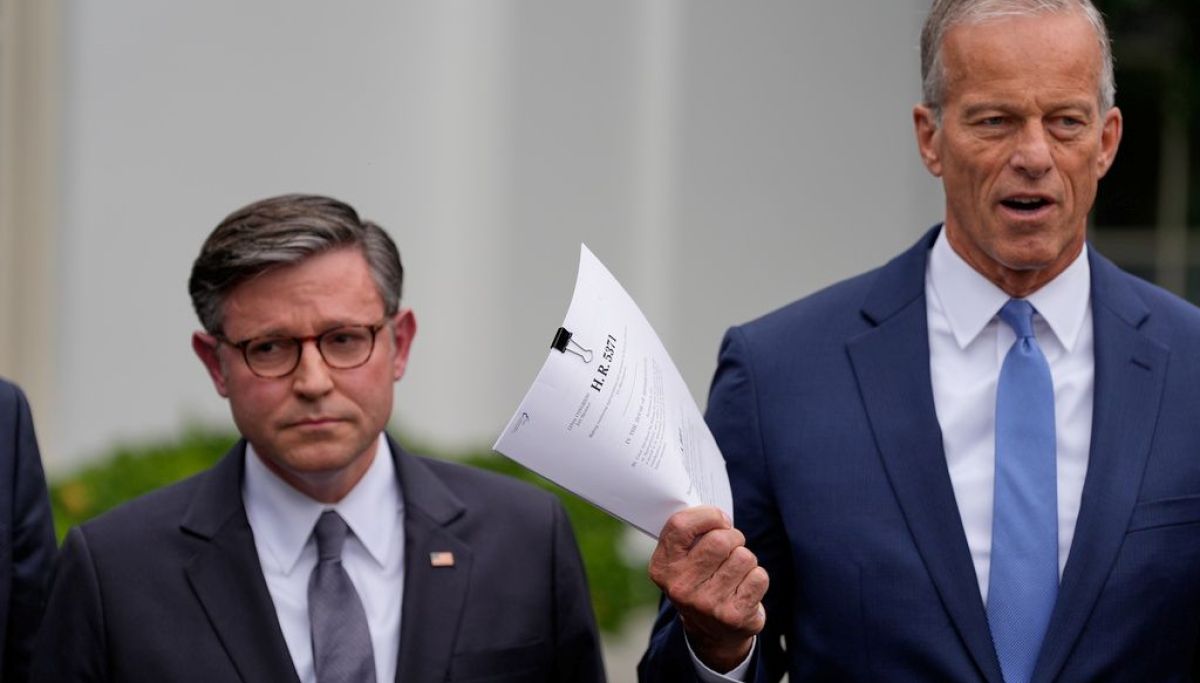
Trump at 32% Approval as Gas Prices Test GOP Midterm Hopes
NYT/Siena polling showed Trump's approval at historic lows around 32 percent with Democrats leading by double digits in key districts. Early voting has surged in battleground states.

Record Early Voting Hits Battlegrounds, Shifting Partisan Shares
AP analysis found hundreds of thousands more early ballots than in 2022 in states including Texas, Ohio, Kansas, Maine, and North Carolina, shifting partisan dynamics.
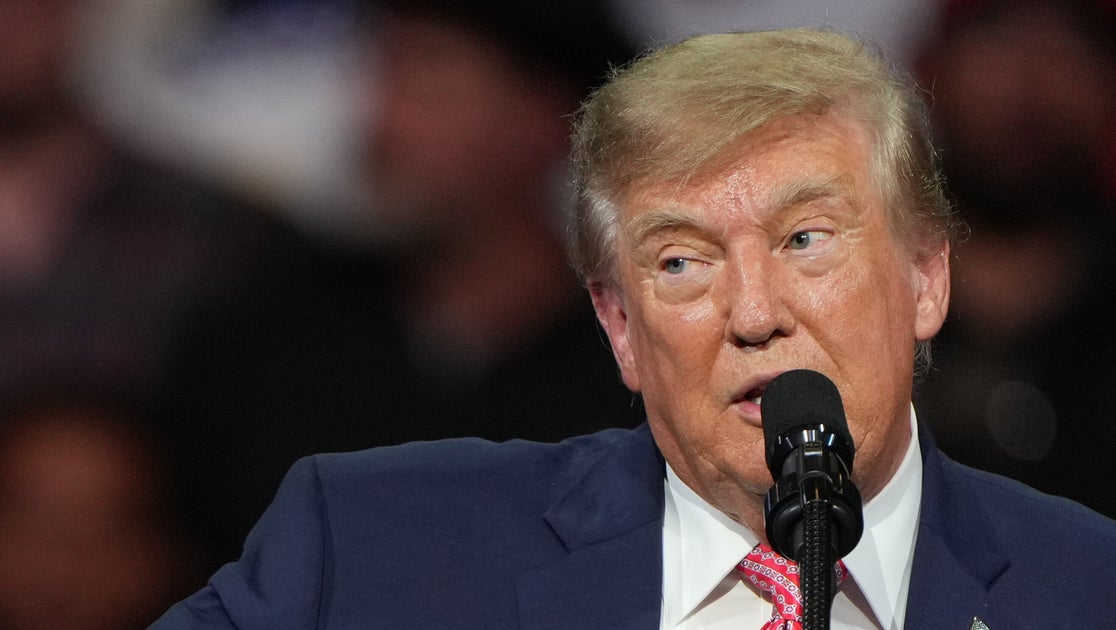
Trump Backs Marshall in Kansas Senate Race Tightened by Farm Costs
President Trump rallied in deep-red Kansas for GOP Sen. Roger Marshall in a competitive race, announcing an $8 billion farm fuel relief program amid high diesel prices. Democrats see an opening to end 94 years of GOP dominance in the state.

Trump Pauses Russia Sanctions Amid Ukraine Tensions and Missile Strikes
Trump waived sanctions on Russia and floated trilateral talks with Putin and Xi as part of ending the Ukraine war, while tensions rose with Zelenskyy over Starlink and arms. Bipartisan senators engaged Zelenskyy amid the shifts.
The Compass
You just read five takes on one story.
What's your take? Find your political shape in a few minutes.
Take the test