
Trump Delays Iran Deal Over Nuclear and Shipping Demands

Cover image from aljazeera.com, which was analyzed for this article
Negotiations to extend the US-Iran ceasefire continue with Trump refusing to rush a deal and insisting on no nuclear weapons for Iran. Tehran demands its rights be secured while the US tightens terms amid ongoing regional tensions.
PoliticalOS
Sunday, May 31, 2026 — Politics
The central unresolved question is whether Iran will accept stricter US terms on nuclear material and the Strait of Hormuz or whether the gap in demands will trigger renewed military action. Both sides continue limited strikes and evacuation orders even as talks proceed. Any final agreement must still reconcile asset releases, Lebanese fighting, and verification mechanisms that remain unaddressed in public statements.
What outlets missed
Most coverage omitted the precise timeline of the temporary April ceasefire and the fact that daily strikes halted only after that pause, not before. Few outlets quantified the volume of Hezbollah rocket fire into northern Israel since late 2023 or the resulting displacement of Israeli civilians. Iranian demands for asset releases were mentioned but rarely placed against the specific $12 billion figure cited in Iranian state media drafts. The unconfirmed status of Iran's drone-shootdown claim received inconsistent treatment across reports.
Trump Holds Firm on Iran Terms Without Rushing Agreement
President Donald Trump stated he is in no hurry to finalize any agreement with Iran, emphasizing that the core condition remains preventing the regime from acquiring nuclear weapons. Speaking on Fox News, Trump noted that negotiations are advancing slowly but surely toward American objectives, while underscoring the risks of haste in complex diplomacy.
Trump identified several non-negotiable requirements during his remarks. These include a binding commitment that Iran will never possess nuclear weapons or bombs, the immediate reopening of the Strait of Hormuz for unrestricted shipping in both directions without tolls, and the removal of remaining mines in the waterway. He indicated that the United States has already cleared numerous mines using advanced underwater equipment and expects full compliance on the rest. Should Iran fail to meet these demands, Trump warned that matters would conclude through other means.
Recent reports from multiple outlets indicate that Trump reviewed a preliminary framework in the White House Situation Room on Friday and directed adjustments to strengthen key provisions. These changes were returned to Iranian negotiators for consideration. Officials familiar with the process suggested a response could take several days, given communication limitations on the Iranian side. One senior American official expressed willingness to extend talks as needed to secure the president's priorities, estimating that a resolution might arrive within a week or slightly longer.
Iranian officials have responded by insisting on tangible concessions before any commitments. Chief negotiator Mohammad Bagher Ghalibaf stated that Tehran will not approve terms unless Iranian rights are fully secured, citing a lack of trust in American promises. Iranian demands reportedly include the release of $12 billion in frozen assets and the inclusion of Lebanon in any broader settlement, amid ongoing Israeli operations against Hezbollah forces there. Iranian state media has dismissed suggestions that enriched uranium stockpiles would be destroyed outright as unfounded.
The current impasse occurs against the backdrop of a prolonged regional conflict now in its 93rd day. Israeli forces have conducted deeper incursions into southern Lebanon, capturing strategic positions in the most significant advance in over two decades. Iranian military statements have warned of forceful responses to further aggression and claimed to have downed a U.S. drone in territorial waters, while unveiling new naval vessels capable of high-speed missile launches.
Trump's approach reflects a consistent focus on verifiable outcomes over rapid closure. He acknowledged that a swift deal might ease gasoline prices but argued that pressure for speed often produces inferior results. This stance aligns with a broader emphasis on deterrence and clear red lines when dealing with regimes that have repeatedly pursued nuclear capabilities despite prior international restrictions.
Negotiations continue without a finalized timeline. American demands center on eliminating nuclear risks and restoring open maritime access through a vital chokepoint that affects global energy flows. Iranian counterpositions highlight asset releases and regional linkages that could extend the process further. The administration has signaled readiness to pursue alternative resolutions if diplomatic channels do not yield the required guarantees.
You just read Conservative's take. Want to read what actually happened?
More in Politics
Trump at 32% Approval as Gas Prices Test GOP Midterm Hopes
NYT/Siena polling showed Trump's approval at historic lows around 32 percent with Democrats leading by double digits in key districts. Early voting has surged in battleground states.

Record Early Voting Hits Battlegrounds, Shifting Partisan Shares
AP analysis found hundreds of thousands more early ballots than in 2022 in states including Texas, Ohio, Kansas, Maine, and North Carolina, shifting partisan dynamics.
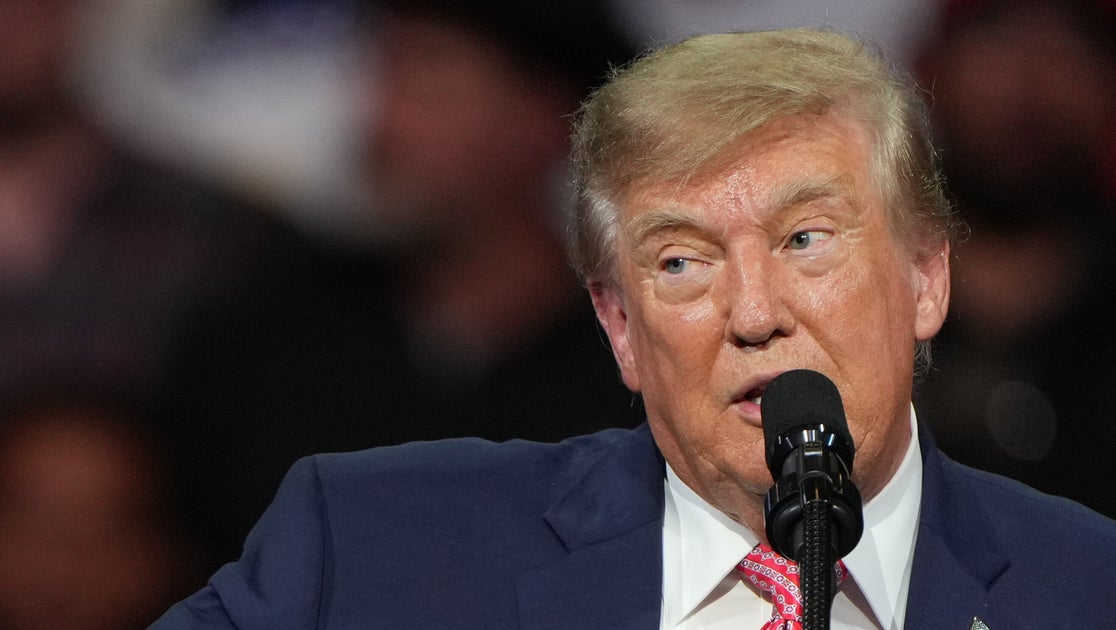
Trump Backs Marshall in Kansas Senate Race Tightened by Farm Costs
President Trump rallied in deep-red Kansas for GOP Sen. Roger Marshall in a competitive race, announcing an $8 billion farm fuel relief program amid high diesel prices. Democrats see an opening to end 94 years of GOP dominance in the state.

Trump Pauses Russia Sanctions Amid Ukraine Tensions and Missile Strikes
Trump waived sanctions on Russia and floated trilateral talks with Putin and Xi as part of ending the Ukraine war, while tensions rose with Zelenskyy over Starlink and arms. Bipartisan senators engaged Zelenskyy amid the shifts.
The Compass
You just read five takes on one story.
What's your take? Find your political shape in a few minutes.
Take the test