
Trump Delays Iran Deal Over Nuclear and Shipping Demands

Cover image from aljazeera.com, which was analyzed for this article
Negotiations to extend the US-Iran ceasefire continue with Trump refusing to rush a deal and insisting on no nuclear weapons for Iran. Tehran demands its rights be secured while the US tightens terms amid ongoing regional tensions.
PoliticalOS
Sunday, May 31, 2026 — Politics
The central unresolved question is whether Iran will accept stricter US terms on nuclear material and the Strait of Hormuz or whether the gap in demands will trigger renewed military action. Both sides continue limited strikes and evacuation orders even as talks proceed. Any final agreement must still reconcile asset releases, Lebanese fighting, and verification mechanisms that remain unaddressed in public statements.
What outlets missed
Most coverage omitted the precise timeline of the temporary April ceasefire and the fact that daily strikes halted only after that pause, not before. Few outlets quantified the volume of Hezbollah rocket fire into northern Israel since late 2023 or the resulting displacement of Israeli civilians. Iranian demands for asset releases were mentioned but rarely placed against the specific $12 billion figure cited in Iranian state media drafts. The unconfirmed status of Iran's drone-shootdown claim received inconsistent treatment across reports.
Trump Holds Firm on Iran as Nuclear Risks Loom
President Trump made clear over the weekend that any agreement with Iran will move at Washington's pace, not Tehran's, with the prevention of a nuclear weapon remaining the non-negotiable core. Speaking on Fox News with his daughter-in-law Lara Trump, the president described the talks as advancing "slowly but surely" while stressing he feels no pressure to close a deal that falls short.
Trump outlined specific requirements that must be met before any final accord. Iran must commit permanently to forgoing nuclear weapons, open the Strait of Hormuz to unrestricted shipping without tolls, and clear remaining mines from the waterway. He noted that American mine-sweepers have already handled many of those hazards and that enriched uranium stockpiles, sometimes called nuclear dust, buried deep underground would need to be addressed. "The one guarantee that I have to have is that there will be no nuclear weapons," Trump said. "They've agreed to that, and it was very interesting."
Reports from U.S. officials indicate the White House sent a revised framework back to Iran on Friday with tougher conditions after an initial round of discussions. The changes focus on enforcement mechanisms for the nuclear restrictions and the status of Iran's nuclear materials. A senior official told Axios that Iran could take several days to respond because its negotiators operate without routine email access. The official added that the administration is prepared to wait weeks if necessary to secure what the president demands.
Iranian officials have pushed back. Chief negotiator Mohammad Bagher Ghalibaf stated that Tehran will not accept any deal unless it fully secures what it views as its rights, including the release of roughly twelve billion dollars in frozen assets. Iranian media have dismissed suggestions that the country's enriched uranium would be destroyed outright. Tehran has also insisted that any broader agreement must address the fighting in Lebanon, where Israeli forces have advanced deeper into the country than at any point in more than two decades and claimed capture of a strategic site.
The talks occur against a backdrop of continued low-level clashes. Iran reported downing a U.S. drone near its waters and unveiled new naval vessels capable of high speeds and long-range cruise missile launches. The United States, for its part, said its forces had disabled a vessel attempting to reach an Iranian port as part of efforts to maintain pressure.
Trump has warned that if the current diplomatic path does not produce the required concessions, the United States will pursue a different course. He reiterated that gasoline prices and other economic factors will not dictate the timeline. The emphasis remains on verifiable limits that keep nuclear weapons out of Iranian hands rather than on speed or optics.
Negotiations have stretched across nearly three months of conflict, and further delays appear likely as both sides review the latest terms. The outcome will determine whether the Strait of Hormuz returns to normal traffic and whether the nuclear issue receives lasting constraints.
You just read America First's take. Want to read what actually happened?
More in Politics

Trump Defends Ramaswamy Ad Using Estranged Mother in Ohio Race
President Trump defended a GOP nominee's ad featuring a Democratic opponent's estranged mother, calling it powerful, while drawing criticism from some Republicans including Ohio Gov. Mike DeWine. The ad has sparked internal GOP tensions ahead of midterms.
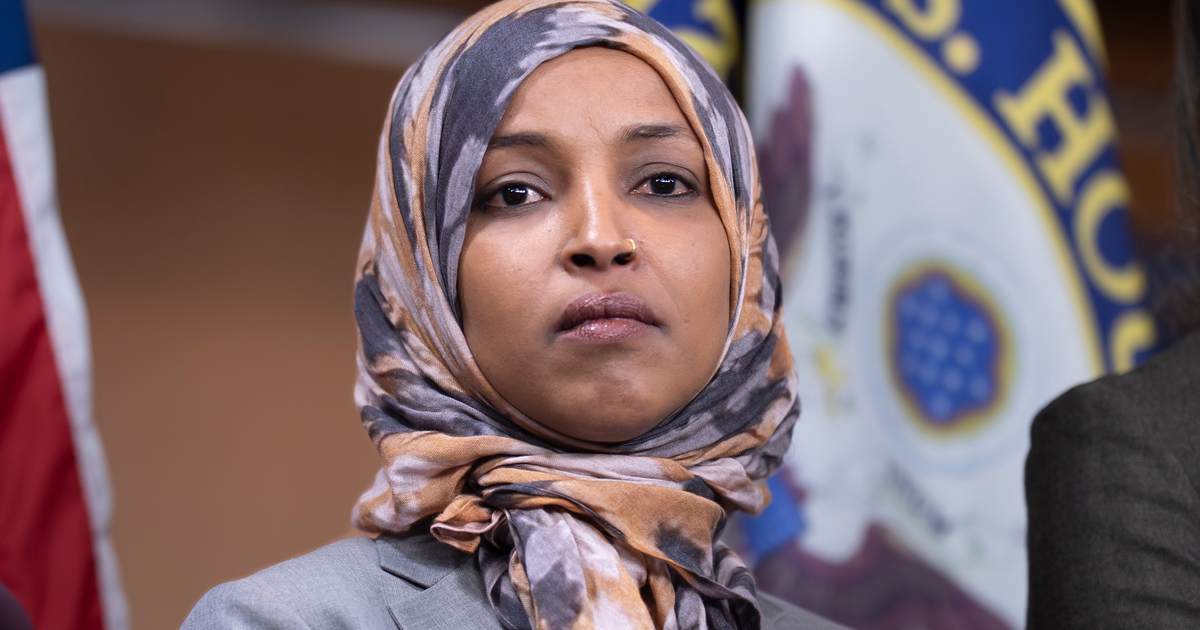
Federal Raid Targets Omar Amid Unresolved Name and Marriage Allegations
Agents searched Rep. Ilhan Omar's DC residence over immigration fraud allegations; she called it bizarre. Reports and commentary questioned her birth name and past marriage details.

Supreme Court Upholds New Hampshire Student ID Voting Ban
The Supreme Court upheld New Hampshire's ban on student IDs as valid voter identification just before midterms, affecting a tight Senate race.
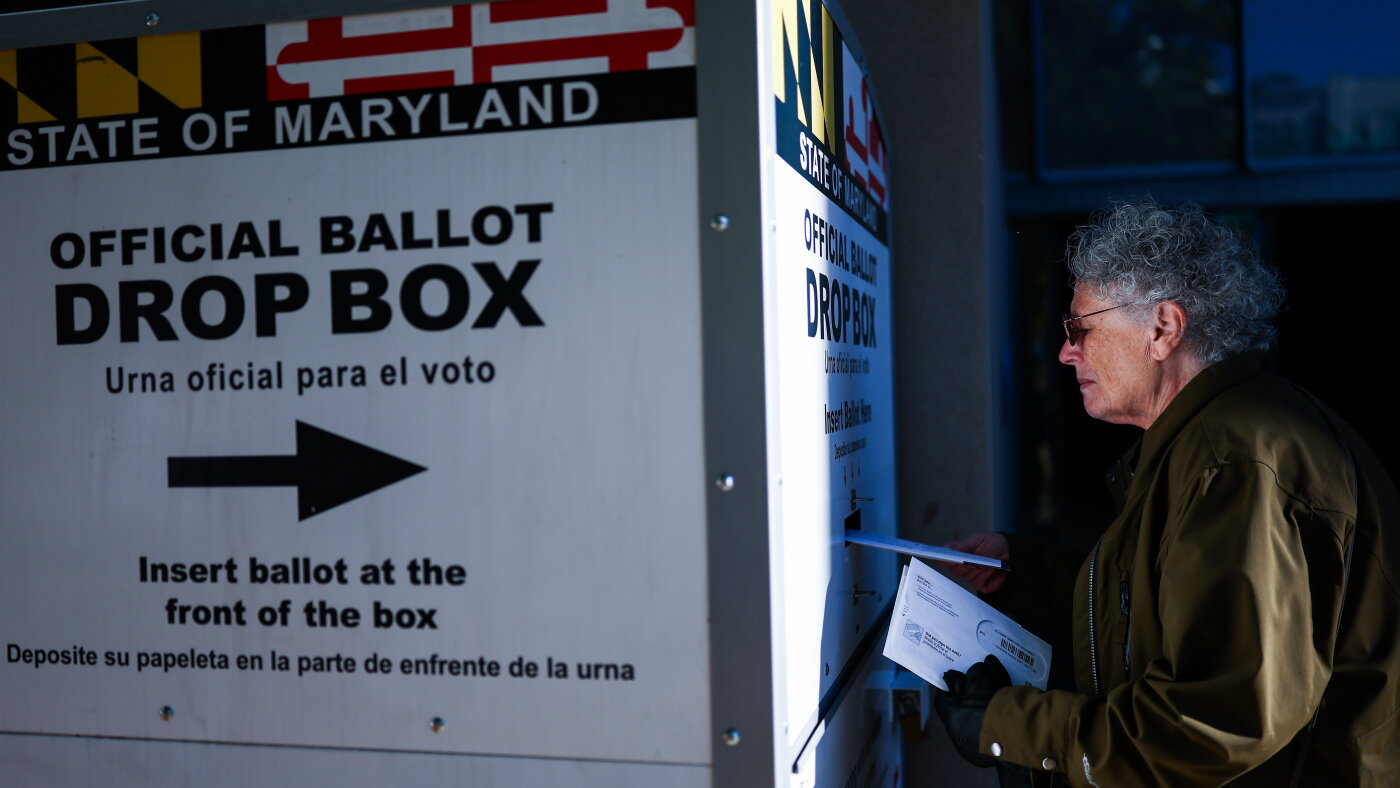
Early Voting Hits 21 Million as Most Trust Midterm Accuracy
Millions have already voted early as parties make final appeals amid $1.4 billion in ad spending; polls show confidence in election accuracy.
The Compass
You just read five takes on one story.
What's your take? Find your political shape in a few minutes.
Take the test