
Trump Delays Iran Deal Over Nuclear and Shipping Demands

Cover image from aljazeera.com, which was analyzed for this article
Negotiations to extend the US-Iran ceasefire continue with Trump refusing to rush a deal and insisting on no nuclear weapons for Iran. Tehran demands its rights be secured while the US tightens terms amid ongoing regional tensions.
PoliticalOS
Sunday, May 31, 2026 — Politics
The central unresolved question is whether Iran will accept stricter US terms on nuclear material and the Strait of Hormuz or whether the gap in demands will trigger renewed military action. Both sides continue limited strikes and evacuation orders even as talks proceed. Any final agreement must still reconcile asset releases, Lebanese fighting, and verification mechanisms that remain unaddressed in public statements.
What outlets missed
Most coverage omitted the precise timeline of the temporary April ceasefire and the fact that daily strikes halted only after that pause, not before. Few outlets quantified the volume of Hezbollah rocket fire into northern Israel since late 2023 or the resulting displacement of Israeli civilians. Iranian demands for asset releases were mentioned but rarely placed against the specific $12 billion figure cited in Iranian state media drafts. The unconfirmed status of Iran's drone-shootdown claim received inconsistent treatment across reports.
Trump Claims No Hurry on Iran Deal as Demands Grow Tougher and War Persists
President Donald Trump said he was in no rush to finalize an agreement with Iran, telling Fox News that his administration was making progress slowly but surely on preventing Tehran from acquiring nuclear weapons. The remarks came as US media reported that Trump had sent a revised and tougher framework back to Iranian negotiators, potentially delaying any formal end to the nearly three-month conflict involving the United States, Israel and Iran.
Speaking on a program hosted by his daughter-in-law Lara Trump, the president stressed that the sole non-negotiable element remained a complete bar on Iranian nuclear arms. He added that Tehran had already accepted this condition, though Iranian officials have repeatedly questioned that assertion in public statements. Trump also listed additional requirements, including the immediate reopening of the Strait of Hormuz without tolls, the clearance of remaining mines in the waterway and restrictions on Iranian enriched uranium stockpiles.
US officials familiar with the talks told Axios and The New York Times that the latest revisions were sent to Iran on Friday after Trump reviewed the proposal in the White House Situation Room. One senior official indicated it could take several days for Tehran to respond, noting that Iranian negotiators were operating from locations without routine email access. The same official expressed willingness to wait until the president obtained the terms he sought, suggesting a timeline ranging from less than a week to longer.
Iranian chief negotiator Mohammad Bagher Ghalibaf countered on Sunday that no agreement would be approved unless Iranian rights were fully secured. He emphasized the absence of trust in US promises and stated that tangible results must precede any Iranian commitments. Iranian reports have highlighted demands for the release of approximately twelve billion dollars in frozen assets before substantive discussions on the nuclear file can advance, while dismissing earlier US suggestions that enriched uranium stocks would be destroyed outright.
The diplomatic maneuvering occurs against the backdrop of ongoing military operations. On day 93 of the war, Israeli forces claimed to have seized a strategic site in southern Lebanon, marking their deepest incursion into the country in more than two decades. Iran’s Islamic Revolutionary Guard Corps reported shooting down a US drone near its territorial waters, and a senior Iranian commander warned that further aggression would be met with a stronger response. Tehran has also insisted that any comprehensive deal must address the fighting in Lebanon.
Trump’s insistence that he is under no pressure to conclude talks quickly contrasts with the continued naval blockade and intermittent clashes described in regional reporting. Iranian state media portrayed the US moves as undermining diplomacy, while US officials maintained that the revised terms were necessary to address gaps in verification and implementation. Both sides have signaled openness to an eventual accord, yet the distance between Washington’s expanded conditions and Tehran’s core requirements leaves the outcome uncertain in the near term.
You just read Progressive's take. Want to read what actually happened?
More in Politics

Trump Defends Ramaswamy Ad Using Estranged Mother in Ohio Race
President Trump defended a GOP nominee's ad featuring a Democratic opponent's estranged mother, calling it powerful, while drawing criticism from some Republicans including Ohio Gov. Mike DeWine. The ad has sparked internal GOP tensions ahead of midterms.
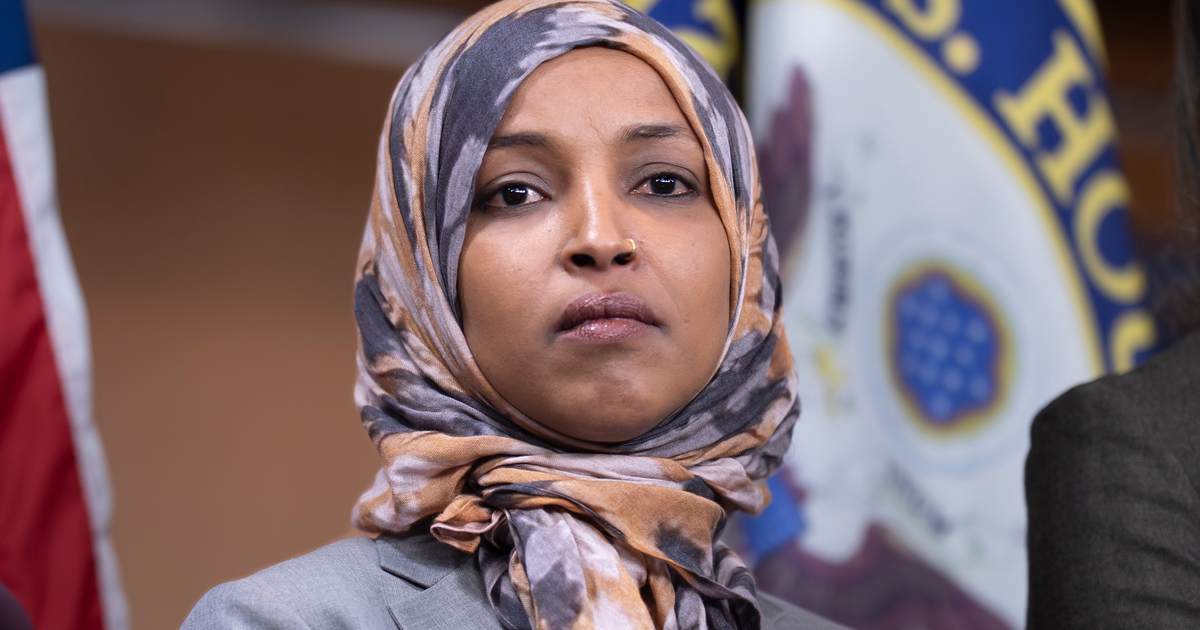
Federal Raid Targets Omar Amid Unresolved Name and Marriage Allegations
Agents searched Rep. Ilhan Omar's DC residence over immigration fraud allegations; she called it bizarre. Reports and commentary questioned her birth name and past marriage details.

Supreme Court Upholds New Hampshire Student ID Voting Ban
The Supreme Court upheld New Hampshire's ban on student IDs as valid voter identification just before midterms, affecting a tight Senate race.
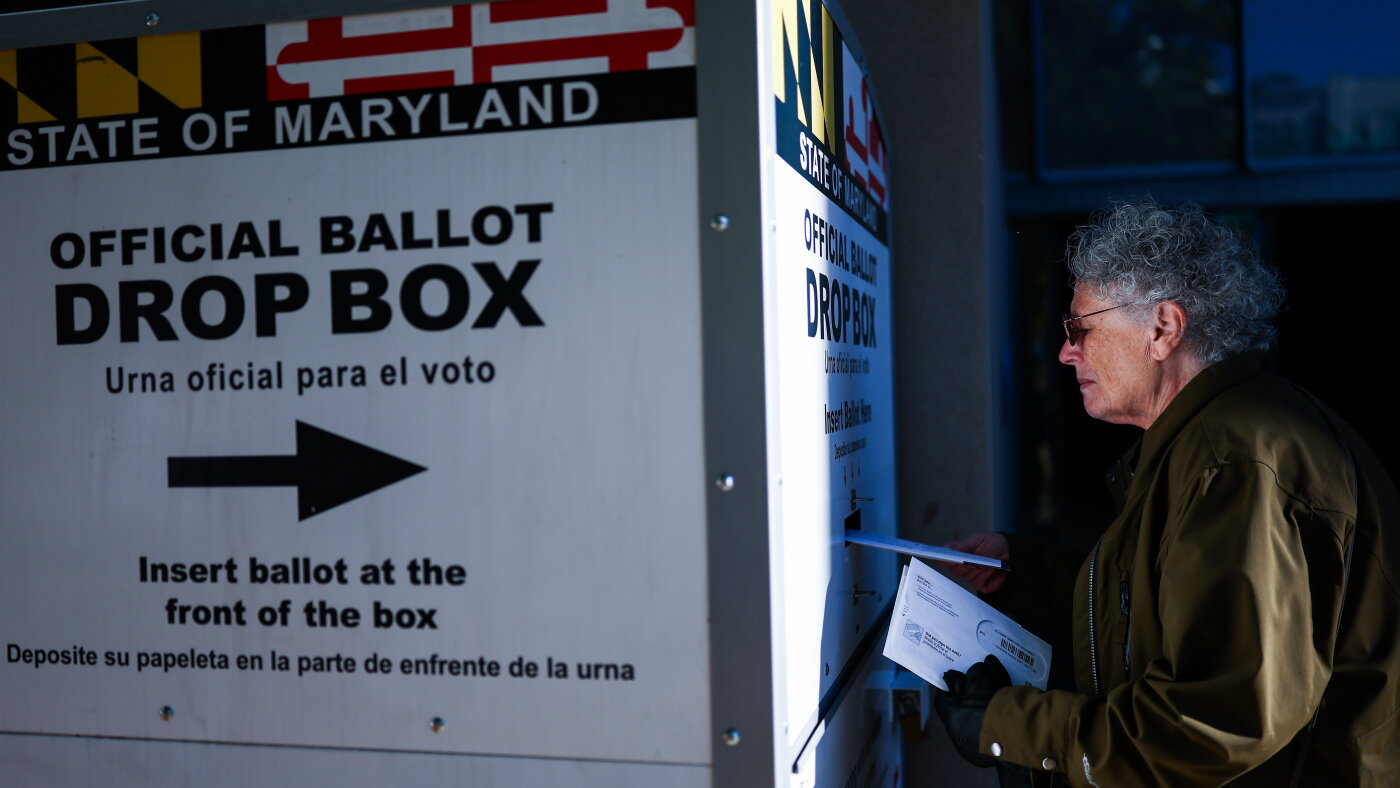
Early Voting Hits 21 Million as Most Trust Midterm Accuracy
Millions have already voted early as parties make final appeals amid $1.4 billion in ad spending; polls show confidence in election accuracy.
The Compass
You just read five takes on one story.
What's your take? Find your political shape in a few minutes.
Take the test