
Trump announces signed US-Iran framework to reopen Hormuz, bar nuclear arms
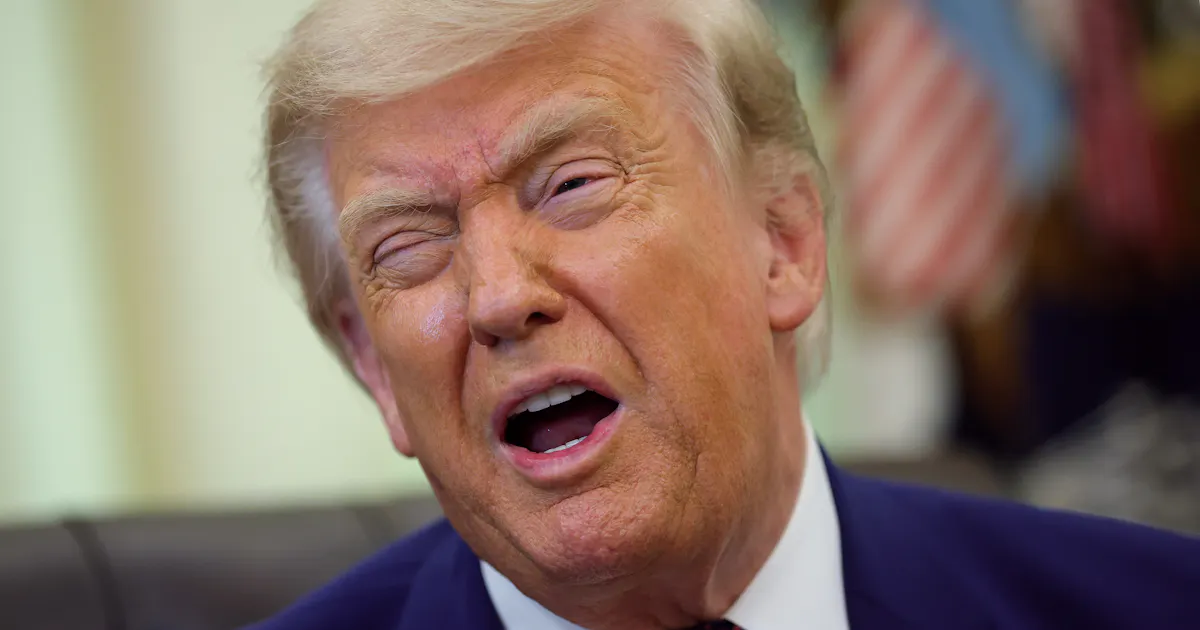
Cover image from newrepublic.com, which was analyzed for this article
President Trump announced a preliminary electronically signed agreement with Iran to end hostilities, reopen the Strait of Hormuz, and allow nuclear inspectors back in, with formal signing expected Friday. The deal dominated G7 discussions and sparked debate over its terms and congressional role.
PoliticalOS
Tuesday, June 16, 2026 — Politics
The framework is a short, conditional memorandum that defers core nuclear and Hormuz details to 60 days of further talks. Its durability depends on verification mechanisms and compliance steps that remain to be negotiated and documented.
What outlets missed
Multiple outlets omitted that the MOU was electronically signed on June 15 by named US and Iranian officials and that it formally extends the ceasefire for a defined 60-day period. Few noted the explicit White House position that the $300 billion fund reference is performance-based and Gulf-financed rather than a US obligation. Coverage also underplayed the joint statement from four European governments tying any sanctions relief to verifiable nuclear steps.
Trump Announces Short-Term Ceasefire With Iran Focused on Hormuz Access
Donald Trump said Sunday that a memorandum of understanding had been reached with Iran to end recent hostilities and reopen the Strait of Hormuz, with a formal signing ceremony scheduled for Friday in Geneva. The document itself remains unpublished, and senior administration officials have described it as a one-and-a-half-page general framework rather than a detailed agreement.
The core immediate provisions center on navigation rights. The strait, which was open before the conflict began, would resume normal traffic, with Iranian officials indicating they would drop recent claims about charging fees for passage. Technical talks on Iran’s nuclear program are set to begin this week under the direction of Vice President JD Vance, but those discussions have been separated from the current memorandum.
Trump has presented the arrangement as a decisive break from the 2015 nuclear accord negotiated under Barack Obama. In public remarks at the G7 summit, he emphasized that Iran had agreed not to acquire nuclear weapons and that the new framework included stronger verification. Yet officials have acknowledged that any concrete limits on enrichment levels, stockpile destruction, or facility inspections remain subjects for the follow-on negotiations rather than settled terms.
The sequencing of incentives has drawn particular attention. Iranian state media has reported that a $300 billion investment fund, backed by third countries, could become available if Tehran meets benchmarks on nuclear restraints and regional behavior. Trump and Vance have both rejected characterizations of this as direct U.S. payments, insisting that any financial relief would be performance-based and would not involve releasing frozen assets upfront. The distinction matters because the administration’s own messaging has centered on avoiding the political liability of appearing to reward Iran before compliance is demonstrated.
The conflict that preceded the memorandum imposed measurable costs. U.S. strikes and the resulting disruption to energy markets added tens of billions in direct and indirect expenses, depleted munitions stockpiles, and contributed to volatility in global oil prices. The Iranian regime survived intact, and no changes to its leadership or core institutions resulted from the fighting. Israeli officials have maintained distance from the agreement, with Prime Minister Benjamin Netanyahu indicating that Israel would retain positions in southern Lebanon regardless of the U.S.-Iran understanding.
Within the United States, reactions have been uneven. Several Senate Republicans, including Majority Leader John Thune, stated they had not received detailed briefings and wanted more information on verification mechanisms and enforcement before offering support. Reports also indicate that some cabinet-level officials, including Secretary of State Marco Rubio and Defense Secretary Pete Hegseth, raised questions internally about whether Iran would adhere to even the limited commitments outlined so far.
The administration’s public campaign to frame the memorandum has emphasized future possibilities over current deliverables. Vance has described the document as an opening that could lead to broader regional stabilization if subsequent talks produce verifiable constraints. At the same time, the decision to separate the Hormuz provisions from nuclear issues means that the most contentious elements of U.S.-Iran relations have been deferred rather than resolved.
What remains to be seen is whether the follow-on negotiations can produce terms that address the underlying sources of tension—uranium enrichment capacity, sanctions architecture, and Iranian support for proxy forces—without repeating the compliance disputes that characterized the previous decade. The memorandum’s brevity leaves those questions open for now.
You just read Liberal's take. Want to read what actually happened?
More in Politics

Judges Block Trump Mail Ballot Rule as Supreme Court Review Looms
Federal judges halted President Trump's executive order restricting mail balloting via USPS. The Supreme Court is expected to review amid ongoing election legal battles.

Trump, Vance Push GOP Midterms With Seven Weeks Left
With seven weeks to Election Day, Trump and Vance are campaigning in key states. GOP faces challenges including voting rule disputes and internal tensions.

States Clash Over Voter Rolls, Mail Rules Ahead of Midterms
Officials train to counter interference while states debate mail voting and oversight. Both parties accuse each other of undermining trust ahead of November.

Hegseth Reforms Prompt Pentagon Doubts Over Trust and Readiness
Defense Secretary's efforts to refocus the military sparked internal pushback and accusations of creating mistrust. Coverage spans major outlets.
The Compass
You just read five takes on one story.
What's your take? Find your political shape in a few minutes.
Take the test