
Trump announces signed US-Iran framework to reopen Hormuz, bar nuclear arms
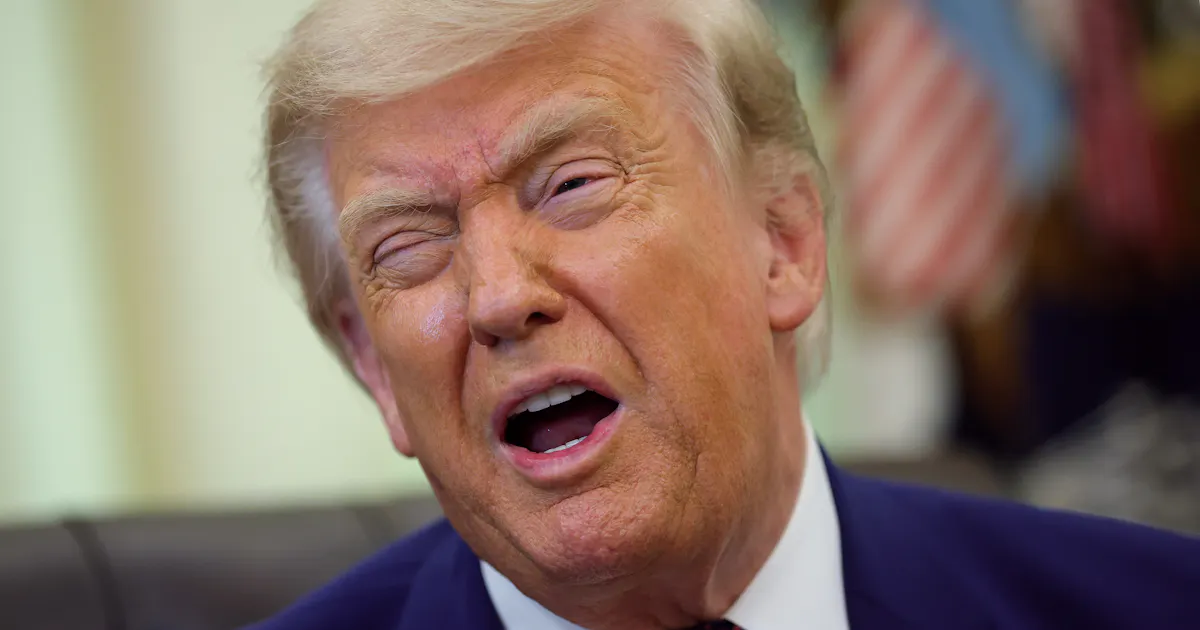
Cover image from newrepublic.com, which was analyzed for this article
President Trump announced a preliminary electronically signed agreement with Iran to end hostilities, reopen the Strait of Hormuz, and allow nuclear inspectors back in, with formal signing expected Friday. The deal dominated G7 discussions and sparked debate over its terms and congressional role.
PoliticalOS
Tuesday, June 16, 2026 — Politics
The framework is a short, conditional memorandum that defers core nuclear and Hormuz details to 60 days of further talks. Its durability depends on verification mechanisms and compliance steps that remain to be negotiated and documented.
What outlets missed
Multiple outlets omitted that the MOU was electronically signed on June 15 by named US and Iranian officials and that it formally extends the ceasefire for a defined 60-day period. Few noted the explicit White House position that the $300 billion fund reference is performance-based and Gulf-financed rather than a US obligation. Coverage also underplayed the joint statement from four European governments tying any sanctions relief to verifiable nuclear steps.
Trump’s Iran Agreement Revives the Very Approach He Long Attacked
Donald Trump announced over the weekend that a preliminary agreement with Iran had been reached to end recent hostilities and reopen the Strait of Hormuz, yet the details that have emerged suggest the United States gained little beyond a return to the status quo before the conflict began. The memorandum of understanding, described by Vice President JD Vance as a page-and-a-half general document signed electronically, defers substantive talks on Iran’s nuclear program to later negotiations in Geneva.
The deal comes after weeks of U.S. military action that included extensive bombing campaigns costing tens of billions of dollars. Reporting indicates the agreement restores shipping access through the vital waterway without securing regime change in Tehran or immediate dismantlement of Iran’s nuclear infrastructure. Iranian officials have confirmed that further discussions on a final peace framework will start this week, while U.S. officials noted that any sanctions relief or asset releases would hinge on future compliance benchmarks.
Trump has portrayed the outcome as a historic breakthrough, claiming the Islamic Republic had agreed never to pursue nuclear weapons under strong monitoring. In remarks at the G7 summit in France, he asserted that oil prices were falling and markets were rising as a direct result. Yet the president’s own public comments have drawn attention to parallels with the 2015 nuclear accord he repeatedly denounced during his first term. In a rambling exchange with reporters, Trump criticized that earlier agreement for delivering economic benefits to Iran, even as his own arrangement reportedly contemplates a potential $300 billion investment fund tied to Iranian performance on nonproliferation and other commitments.
Vance has attempted to distinguish the new framework by stressing that no immediate cash transfers are involved and that incentives would be performance-based. He told interviewers that inspectors from the International Atomic Energy Agency would return and that Iran would be required to reduce its enriched uranium stockpile. Still, the vice president acknowledged that many specifics remain unresolved and will require additional technical talks.
Skepticism has surfaced even within Republican circles and Trump’s own administration. Senate Majority Leader John Thune stated he had not received a detailed briefing, while other lawmakers called for more information before the formal signing scheduled for Friday. Reports indicate that Secretary of State Marco Rubio, Defense Secretary Pete Hegseth, and CIA Director John Ratcliffe have privately raised concerns about whether Iran will adhere to the terms, citing intelligence assessments that question Tehran’s intentions.
The absence of Israeli endorsement has further complicated the picture. Prime Minister Benjamin Netanyahu has distanced his government from the negotiations and indicated that Israel intends to retain territory occupied in Lebanon. Analysts note that core Israeli objectives at the outset of the conflict, including the elimination of Iran’s nuclear capacity, remain unmet.
Trump’s decision to launch military strikes followed by a limited diplomatic accommodation has left the United States in a position that critics describe as weaker than before the war. With the nuclear question postponed and financial incentives once again on the table, the episode underscores how little the administration secured after significant expenditure of resources and strain on alliances. Further negotiations will determine whether the current understanding produces concrete limits or simply defers hard choices.
You just read Progressive's take. Want to read what actually happened?
More in Politics

Judges Block Trump Mail Ballot Rule as Supreme Court Review Looms
Federal judges halted President Trump's executive order restricting mail balloting via USPS. The Supreme Court is expected to review amid ongoing election legal battles.

Trump, Vance Push GOP Midterms With Seven Weeks Left
With seven weeks to Election Day, Trump and Vance are campaigning in key states. GOP faces challenges including voting rule disputes and internal tensions.

States Clash Over Voter Rolls, Mail Rules Ahead of Midterms
Officials train to counter interference while states debate mail voting and oversight. Both parties accuse each other of undermining trust ahead of November.

Hegseth Reforms Prompt Pentagon Doubts Over Trust and Readiness
Defense Secretary's efforts to refocus the military sparked internal pushback and accusations of creating mistrust. Coverage spans major outlets.
The Compass
You just read five takes on one story.
What's your take? Find your political shape in a few minutes.
Take the test