
Hormuz Blockade Returns as US-Iran Ceasefire Expires Without Accord

Cover image from aljazeera.com, which was analyzed for this article
The US-Iran ceasefire has expired without a deal in sight, with Iran reimposing a blockade on the Strait of Hormuz unless the US lifts its port siege. New negotiations may occur in Pakistan amid fears of a rushed framework deal backfiring. Iranian memes gain online traction while the conflict influences US domestic politics like House races.
PoliticalOS
Sunday, April 19, 2026 — Politics
The expired ceasefire and renewed Hormuz restrictions have raised the immediate risk of renewed fighting, but Pakistan-mediated talks continue with both sides claiming they want a deal. The core dispute remains Iran's nuclear program: Washington demands verifiable elimination of weapons capability and enrichment pathways, while Tehran insists on its "rights" and relief from sanctions and blockade. Readers should recognize that military pressure, online propaganda and economic pain are all being wielded as leverage; no framework has yet resolved the technical and political gaps that doomed the first round.
What outlets missed
Most coverage underplayed the confirmed US strikes that killed Supreme Leader Ayatollah Ali Khamenei and reduced Iranian missile output from approximately 100 per month to zero, facts reported by NPR, Guardian and NYT sources but omitted or downplayed in anti-interventionist and Iran-sympathetic accounts to emphasize American "climbdown." Outlets largely ignored the conflict's direct influence on US House races and domestic political fundraising, as well as the billions of views accumulated by state-linked Iranian AI propaganda operations documented by CNN. Few pieces noted European diplomats' specific technical objections to a short-form deal or the full timeline of mutual violations that preceded the February 28 strikes, including Iran's post-2018 enrichment breaches. The human cost to Iranian academia, with 180 reported killed, appeared only in Al Jazeera reporting and remained uncorroborated elsewhere.
Trump Deploys Unstable Rhetoric to Force Iran Back to Table as Ceasefire Frays
President Donald Trump deliberately crafted a series of inflammatory social media posts this month designed to appear unhinged and insulting toward Iran, calculating that the shock value would compel the Islamic Republic to negotiate an end to the seven-week conflict and reopen the Strait of Hormuz, according to administration officials familiar with the matter. The strategy, first reported by The Wall Street Journal, underscores Trump's longstanding belief that projecting unpredictability can succeed where decades of conventional diplomacy have failed.
In one April 5 post, Trump demanded Iran "open the F***in’ Strait, you crazy b*******, or you’ll be living in Hell," closing with the phrase "Praise be to Allah." Days later, he warned that "a whole civilization will die tonight" unless Tehran complied. A two-week ceasefire was announced less than 90 minutes before his deadline. When an adviser questioned the unusual tone, Trump explained he had personally added the Islamic praise to maximize the offense, believing it was the kind of raw language Iran's leaders would respect. He later asked aides how the approach was landing with the adversary.
Secretary of State Marco Rubio has privately suggested the tactic could prove effective in drawing Iran into serious talks. The episode has rattled Washington insiders, with lawmakers and religious leaders contacting the White House to express alarm. Critics from both parties viewed the messages as erratic, yet they coincided with a temporary easing of tensions in a conflict that has already claimed lives, disrupted global energy markets, and exposed the limits of military power after initial U.S. and Israeli strikes in late February.
The war's aims have shifted notably since those opening salvos. What began as a broader effort to confront Iran's revolutionary regime has narrowed to a grinding battle over the Strait of Hormuz, the narrow chokepoint through which 20 percent of the world's oil and natural gas typically flows. Iran briefly reopened the waterway during the ceasefire but reimposed restrictions within 24 hours, citing the ongoing U.S. naval blockade of its ports. Its Islamic Revolutionary Guard Corps warned that unauthorized passage would be treated as cooperation with the enemy.
Iran's parliamentary speaker and chief negotiator, Mohammad Bagher Ghalibaf, acknowledged some progress in indirect talks but stressed the sides remain "far from the final discussion," with major gaps on Tehran's nuclear program and access to the strait. President Masoud Pezeshkian publicly challenged Trump's stance, asking what crime Iran had committed to be deprived of its "nuclear rights." Supreme Leader Mojtaba Khamenei boasted that Iran's navy stands ready to inflict further defeats. Tehran insists it will keep the strait closed until the American blockade ends, a position that has already triggered incidents, including attacks on Indian-flagged vessels.
As the ceasefire heads toward expiration this Wednesday, Trump has struck a characteristically dual tone. He has warned that America "might have to start dropping bombs again" while expressing optimism that a deal remains possible. Those close to the president say he is not hunting for a face-saving exit. His bottom line remains firm: Iran must abandon its nuclear weapons ambitions. The U.S. holds significant leverage through the port blockade and the degradation of Iranian military capacity from earlier strikes. Trump has shown flexibility on secondary issues but has made clear he will walk away from any agreement that fails to deliver core American interests.
This hard-edged realism contrasts with the hand-wringing from European allies. Diplomats from Britain, France, and Germany, veterans of the failed 2015 nuclear deal that Trump abandoned in 2018, worry the current American team is rushing toward a superficial accord that will only breed future crises. They have been largely sidelined, a fact that seems to suit an administration uninterested in repeating the multilateral mistakes of the past. One senior European warned of "endless downstream problems" from a hasty deal, but the White House dismissed such concerns, stating Trump "has a proven track record of achieving good deals" that put America first.
Meanwhile, Tehran has attempted to counter Trump in the digital arena, flooding social media with memes and AI-generated videos mocking the president. Iranian officials appear to believe online ridicule can substitute for battlefield success. Yet the Islamic Republic's economy is reeling, its ports strangled, and its regional proxies diminished. Oil prices have plunged below $90 a barrel amid the uncertainty, reminding Americans once again how entangled our energy security remains with the world's most volatile region.
Negotiations continue through mediators in Pakistan, where Islamabad has locked down parts of the capital in anticipation of a new round. Hotels are booked solid, streets near previous talks are closed, and the city is on edge. Whether Trump's unorthodox pressure campaign ultimately reopens the strait and curbs Iran's nuclear dreams remains to be seen. What is clear is that after years of American presidents treating the mullahs with kid gloves, this administration is playing a different game, one that prioritizes leverage, clarity, and results over the polite conventions that achieved so little in the past. The coming days will test whether that approach forces a breakthrough or returns the region to open conflict.
You just read America First's take. Want to read what actually happened?
More in Politics
Trump at 32% Approval as Gas Prices Test GOP Midterm Hopes
NYT/Siena polling showed Trump's approval at historic lows around 32 percent with Democrats leading by double digits in key districts. Early voting has surged in battleground states.

Record Early Voting Hits Battlegrounds, Shifting Partisan Shares
AP analysis found hundreds of thousands more early ballots than in 2022 in states including Texas, Ohio, Kansas, Maine, and North Carolina, shifting partisan dynamics.
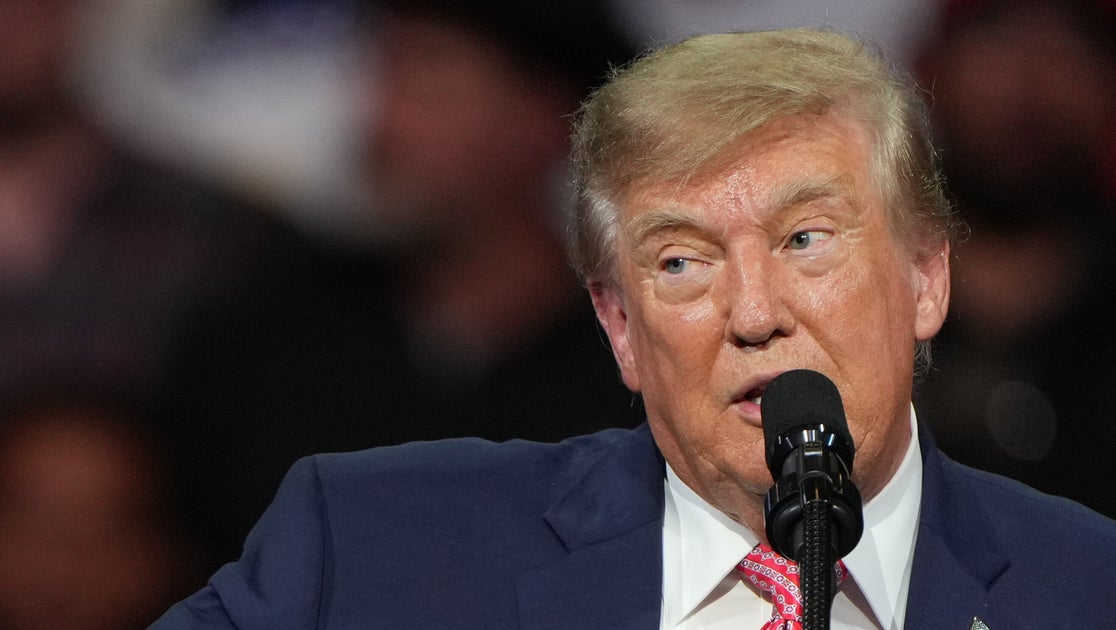
Trump Backs Marshall in Kansas Senate Race Tightened by Farm Costs
President Trump rallied in deep-red Kansas for GOP Sen. Roger Marshall in a competitive race, announcing an $8 billion farm fuel relief program amid high diesel prices. Democrats see an opening to end 94 years of GOP dominance in the state.

Trump Pauses Russia Sanctions Amid Ukraine Tensions and Missile Strikes
Trump waived sanctions on Russia and floated trilateral talks with Putin and Xi as part of ending the Ukraine war, while tensions rose with Zelenskyy over Starlink and arms. Bipartisan senators engaged Zelenskyy amid the shifts.
The Compass
You just read five takes on one story.
What's your take? Find your political shape in a few minutes.
Take the test