
Hormuz Blockade Returns as US-Iran Ceasefire Expires Without Accord

Cover image from aljazeera.com, which was analyzed for this article
The US-Iran ceasefire has expired without a deal in sight, with Iran reimposing a blockade on the Strait of Hormuz unless the US lifts its port siege. New negotiations may occur in Pakistan amid fears of a rushed framework deal backfiring. Iranian memes gain online traction while the conflict influences US domestic politics like House races.
PoliticalOS
Sunday, April 19, 2026 — Politics
The expired ceasefire and renewed Hormuz restrictions have raised the immediate risk of renewed fighting, but Pakistan-mediated talks continue with both sides claiming they want a deal. The core dispute remains Iran's nuclear program: Washington demands verifiable elimination of weapons capability and enrichment pathways, while Tehran insists on its "rights" and relief from sanctions and blockade. Readers should recognize that military pressure, online propaganda and economic pain are all being wielded as leverage; no framework has yet resolved the technical and political gaps that doomed the first round.
What outlets missed
Most coverage underplayed the confirmed US strikes that killed Supreme Leader Ayatollah Ali Khamenei and reduced Iranian missile output from approximately 100 per month to zero, facts reported by NPR, Guardian and NYT sources but omitted or downplayed in anti-interventionist and Iran-sympathetic accounts to emphasize American "climbdown." Outlets largely ignored the conflict's direct influence on US House races and domestic political fundraising, as well as the billions of views accumulated by state-linked Iranian AI propaganda operations documented by CNN. Few pieces noted European diplomats' specific technical objections to a short-form deal or the full timeline of mutual violations that preceded the February 28 strikes, including Iran's post-2018 enrichment breaches. The human cost to Iranian academia, with 180 reported killed, appeared only in Al Jazeera reporting and remained uncorroborated elsewhere.
Trump's Erratic Iran Tactics Expose Limits of Personal Diplomacy
As the fragile two-week ceasefire between the United States and Iran approaches its expiration this week, the conflict's core disputes remain largely unresolved, with Tehran once again restricting traffic through the Strait of Hormuz and both sides signaling that substantial gaps persist in their negotiations. President Trump's unconventional approach to the talks, including a series of deliberately provocative social media posts that administration officials described as an attempt to appear "unstable and insulting," has added a layer of unpredictability to an already volatile situation, even as European allies warn that the rush toward any deal risks creating more enduring problems than it solves.
The immediate trigger for the latest tensions is the strategic waterway that carries about one-fifth of global oil and natural gas supplies. Iran briefly reopened the strait over the weekend after weeks of closure but reversed course within 24 hours, citing the ongoing U.S. naval blockade of Iranian ports. Parliamentary Speaker Mohammad Bagher Ghalibaf, who is also serving as a chief negotiator, stated on state television that progress had been made in indirect talks but that "many gaps and some fundamental points remain." He described Washington's blockade as both "ignorant" and "foolish," while emphasizing that Iran remains "fully prepared" for the resumption of hostilities. President Masoud Pezeshkian echoed this stance, questioning Trump's authority to deny Iran what he termed its "nuclear rights."
The nuclear program and control over the strait form the central impasse. Iran has reimposed restrictions on shipping, warning that unauthorized passage would be treated as cooperation with the enemy. For its part, the U.S. military reported forcing 23 vessels to turn around as part of the port blockade. Trump himself has alternated between threats of renewed bombing and expressions of optimism about reaching an agreement, telling reporters that a deal could still materialize even as the Wednesday deadline looms.
Behind the public rhetoric lies a reported strategy from the president that blends calculated bluster with personal improvisation. According to accounts shared with The Wall Street Journal, Trump crafted posts intended to unsettle Iranian leaders, including one on April 5 that read, "open the F***in’ Strait, you crazy b*******, or you’ll be living in Hell," and closed with the phrase "Praise be to Allah." A follow-up message warned that "a whole civilization will die tonight" unless the strait was opened. A ceasefire was announced shortly before the imposed deadline, but the language prompted alarmed calls to the White House from members of Congress and religious leaders across party lines.
When an adviser questioned the approach, Trump reportedly explained that he had personally decided to include the religious phrasing to maximize its offensive impact, believing it was the kind of unpredictable rhetoric that might compel Iran to negotiate. He later asked aides how the tactic was "playing," according to officials. Secretary of State Marco Rubio has privately suggested the unusual language could prove effective in bringing Tehran to the table. Yet the episode has also fueled a parallel online conflict, with Iranian accounts and memes mocking the American president in the same digital spaces where his administration operates, turning a high-stakes geopolitical standoff into a contest of viral provocation.
This personal style reflects Trump's longstanding negotiating philosophy: establish a clear bottom line in public while maintaining flexibility on secondary issues and preserving leverage wherever possible. In this case, the blockade provides tangible pressure on an oil-dependent Iranian economy, and joint U.S.-Israeli strikes have degraded Iran's military capabilities. Trump has shown no signs of seeking a quick exit that would allow Iran to retain its nuclear ambitions, a position that makes renewed conflict more likely than a clean resolution, according to analysts.
The approach has drawn quiet skepticism from European partners who helped broker the original 2015 nuclear agreement that Trump abandoned during his first term. Diplomats from France, Britain, and Germany, who have decades of experience on the Iran file, express concern that an inexperienced American team is prioritizing a swift, high-profile deal to claim political victory. They fear a superficial accord on nuclear limits and sanctions relief that would leave complex technical questions for later, potentially destabilizing the region further. One senior European diplomat told reporters that the danger is not the absence of an agreement but "a bad initial agreement that creates endless downstream problems." The White House rejected such criticism, stating that Trump would only accept a deal that "puts America first."
Complicating matters is the venue for potential follow-on talks. Islamabad appears to be preparing for another round of negotiations, with hotels fully booked, streets near previous meeting sites closed, and security measures tightening. Pakistan has served as mediator, but neither Washington nor Tehran has officially confirmed the next session. The original war aims, which some interpreted as seeking regime change, have quietly narrowed toward reopening the strait and curbing Iran's nuclear program, a shift that underscores the constraints on American power after seven weeks of fighting.
What emerges from this moment is a contest between two different theories of leverage. Trump bets that combining military pressure, economic blockade, and personal theatrics can force an adversary to the table on American terms. Iran, having survived the initial assault and demonstrated its willingness to disrupt global energy markets, calculates that time and resilience work in its favor. The memes, the vulgar posts, the dueling statements about civilization-ending consequences, all overlay a deeper reality: the world's most consequential energy chokepoint remains contested, nuclear negotiations are incomplete, and the ceasefire's end could quickly return both nations to direct confrontation.
The coming days will test whether the unconventional methods produce the breakthrough Trump envisions or whether the structural disagreements prove more stubborn than any amount of rhetorical unpredictability can overcome. European warnings about a flawed deal carry the weight of experience with previous rounds of Iran diplomacy, rounds that showed how technical details left unaddressed can unravel even the most heralded agreements. For now, the strait stays contested, the talks inch forward without resolution, and the risk of renewed violence hangs over a region already exhausted by conflict.
You just read Liberal's take. Want to read what actually happened?
More in Politics

Trump Defends Ramaswamy Ad Using Estranged Mother in Ohio Race
President Trump defended a GOP nominee's ad featuring a Democratic opponent's estranged mother, calling it powerful, while drawing criticism from some Republicans including Ohio Gov. Mike DeWine. The ad has sparked internal GOP tensions ahead of midterms.
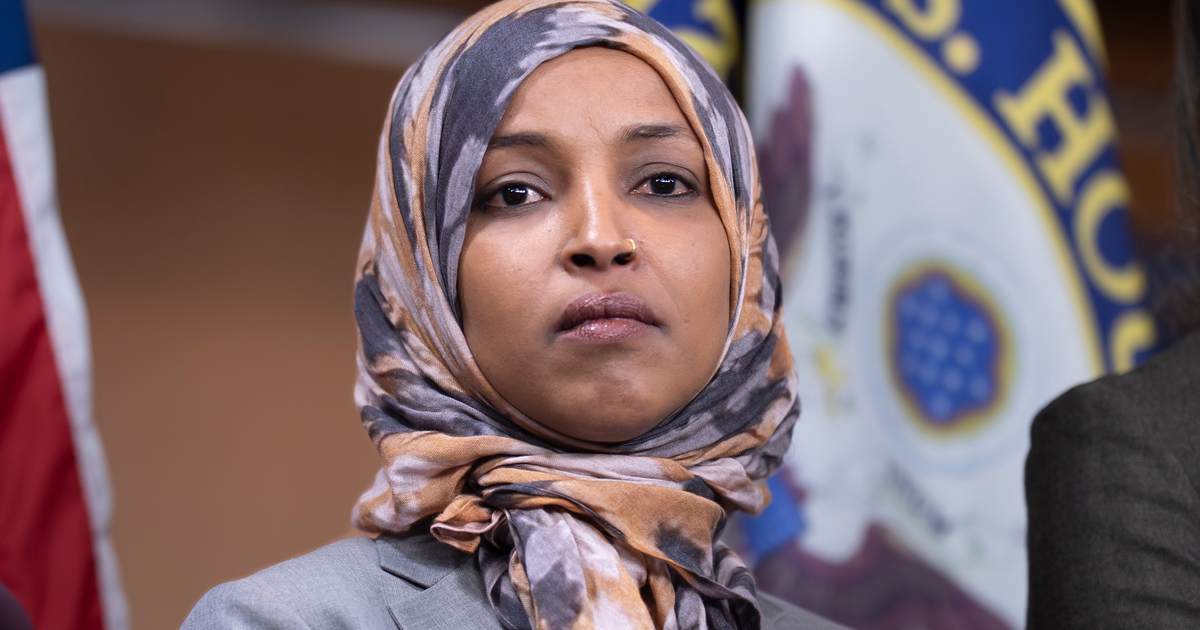
Federal Raid Targets Omar Amid Unresolved Name and Marriage Allegations
Agents searched Rep. Ilhan Omar's DC residence over immigration fraud allegations; she called it bizarre. Reports and commentary questioned her birth name and past marriage details.

Supreme Court Upholds New Hampshire Student ID Voting Ban
The Supreme Court upheld New Hampshire's ban on student IDs as valid voter identification just before midterms, affecting a tight Senate race.
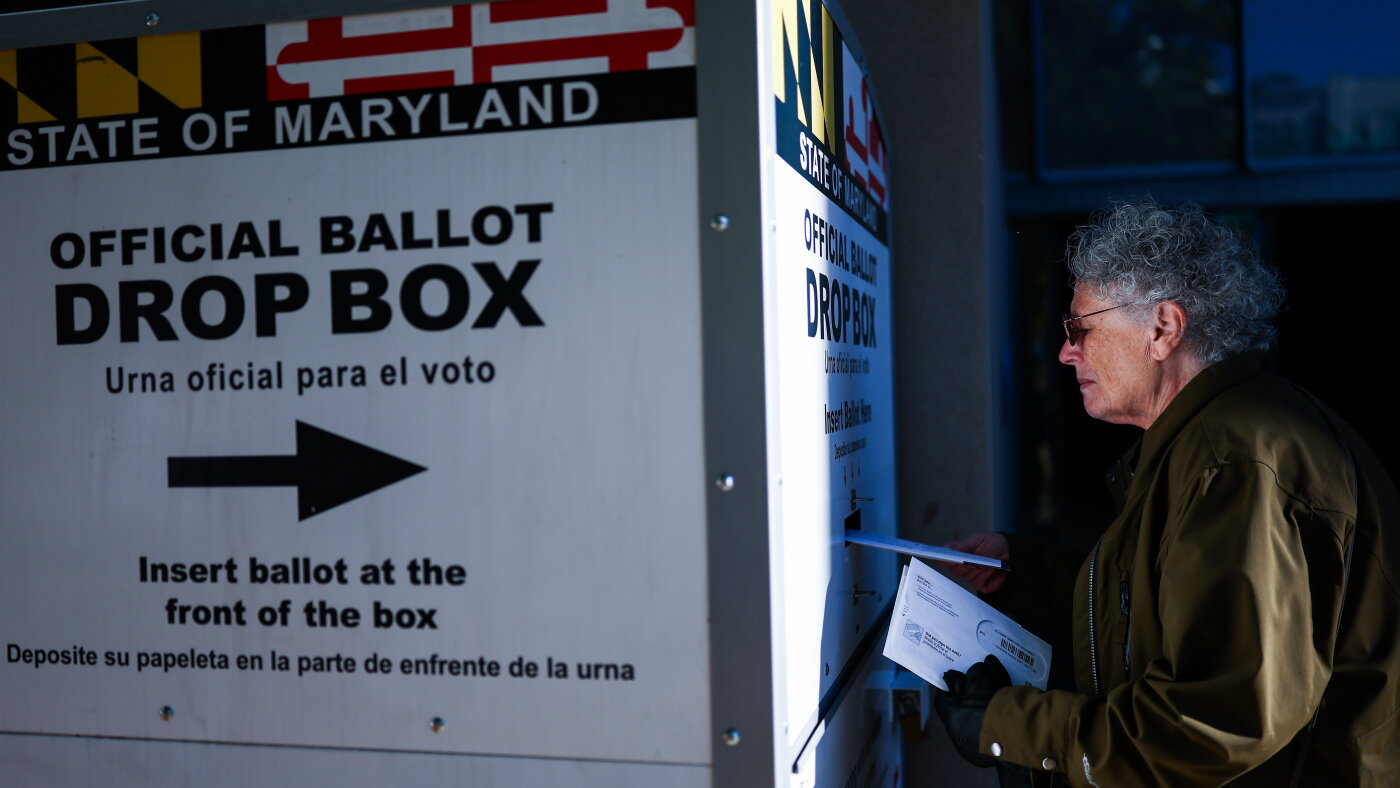
Early Voting Hits 21 Million as Most Trust Midterm Accuracy
Millions have already voted early as parties make final appeals amid $1.4 billion in ad spending; polls show confidence in election accuracy.
The Compass
You just read five takes on one story.
What's your take? Find your political shape in a few minutes.
Take the test