
Hormuz Blockade Returns as US-Iran Ceasefire Expires Without Accord

Cover image from aljazeera.com, which was analyzed for this article
The US-Iran ceasefire has expired without a deal in sight, with Iran reimposing a blockade on the Strait of Hormuz unless the US lifts its port siege. New negotiations may occur in Pakistan amid fears of a rushed framework deal backfiring. Iranian memes gain online traction while the conflict influences US domestic politics like House races.
PoliticalOS
Sunday, April 19, 2026 — Politics
The expired ceasefire and renewed Hormuz restrictions have raised the immediate risk of renewed fighting, but Pakistan-mediated talks continue with both sides claiming they want a deal. The core dispute remains Iran's nuclear program: Washington demands verifiable elimination of weapons capability and enrichment pathways, while Tehran insists on its "rights" and relief from sanctions and blockade. Readers should recognize that military pressure, online propaganda and economic pain are all being wielded as leverage; no framework has yet resolved the technical and political gaps that doomed the first round.
What outlets missed
Most coverage underplayed the confirmed US strikes that killed Supreme Leader Ayatollah Ali Khamenei and reduced Iranian missile output from approximately 100 per month to zero, facts reported by NPR, Guardian and NYT sources but omitted or downplayed in anti-interventionist and Iran-sympathetic accounts to emphasize American "climbdown." Outlets largely ignored the conflict's direct influence on US House races and domestic political fundraising, as well as the billions of views accumulated by state-linked Iranian AI propaganda operations documented by CNN. Few pieces noted European diplomats' specific technical objections to a short-form deal or the full timeline of mutual violations that preceded the February 28 strikes, including Iran's post-2018 enrichment breaches. The human cost to Iranian academia, with 180 reported killed, appeared only in Al Jazeera reporting and remained uncorroborated elsewhere.
Trump's Unstable Rhetoric Exposes Fragile Iran Ceasefire as Hormuz Crisis Deepens
As the fragile two-week ceasefire between the United States and Iran nears its Wednesday expiration, fresh reporting reveals President Donald Trump deliberately crafted inflammatory social media posts to project instability and insult Tehran, a tactic he believed would force negotiations on the Strait of Hormuz and Iran's nuclear program. The approach, detailed by administration officials to The Wall Street Journal, has instead amplified fears of miscalculation, diplomatic amateurism and renewed conflict that could once again disrupt global energy supplies.
In posts that stunned lawmakers, faith leaders and international partners, Trump on April 5 demanded Iran “open the F***in’ Strait, you crazy b*******, or you’ll be living in Hell,” closing with the jarring phrase “Praise be to Allah.” Two days later he warned a “whole civilization will die tonight” unless Tehran complied. A ceasefire was announced 90 minutes before his deadline. When an adviser questioned the tone, Trump reportedly boasted that he personally devised the Allah reference to appear unfiltered and offensive, language he thought Iranians would respect. He later asked aides how the gambit was “playing,” according to the Journal. Secretary of State Marco Rubio privately suggested the crude approach might actually work.
The revelations land as Iran has again sealed the Strait of Hormuz, the narrow waterway through which roughly one-fifth of global oil and gas normally flows. Tehran’s Islamic Revolutionary Guard Corps reimposed restrictions less than 24 hours after briefly reopening the passage, citing the ongoing U.S. naval blockade of Iranian ports. Parliamentary speaker and chief negotiator Mohammad Bagher Ghalibaf told state television Saturday night that while “progress” has occurred, “many gaps and some fundamental points remain… we are still far from the final discussion.” President Masoud Pezeshkian added that Trump has no justification for denying Iran its “nuclear rights.”
The impasse underscores how far the conflict has drifted from its original aims. What began in late February as a U.S.-Israeli military campaign widely understood to target regime change has narrowed, at least rhetorically, to securing the Strait’s reopening and preventing nuclear breakout. Trump has publicly insisted Iran must abandon its nuclear ambitions, while maintaining the leverage of a port blockade that prevents oil exports from an economy already reeling. Yet Iranian officials insist their “valiant navy” stands ready to inflict “new bitter defeats,” and Supreme Leader Mojtaba Khamenei has echoed that defiance.
European allies, sidelined from the current talks, are sounding alarms that Washington is barreling toward a flawed agreement. Diplomats from Britain, France and Germany who helped craft the 2015 nuclear deal told The Independent they worry an inexperienced American team is chasing a quick, high-profile victory for Trump rather than a durable accord. One senior European diplomat warned of “a bad initial agreement that creates endless downstream problems” on sanctions, verification and enrichment thresholds. The White House dismissed the criticism, insisting Trump only accepts deals that put “America first.”
The information war has taken a distinctly online turn. Iranian meme makers and AI-generated videos have mocked Trump’s bombast, scoring viral wins in the same digital arena where the president built his brand. As one podcast analysis put it, Tehran is hitting the administration “right in the shitposts.”
A potential second round of talks, mediated by Pakistan in Islamabad, appears possible this week. Hotels are fully booked, streets near the previous venue closed, and security tightened. Yet neither side has confirmed the meeting, and Trump has oscillated between predicting a deal and warning he may “have to start dropping bombs again.”
The economic stakes remain immense. Oil prices have fallen below $91 a barrel amid the ceasefire, but any resumption of hostilities would send them soaring, hitting consumers worldwide and complicating an already volatile global economy. Indian vessels reportedly came under attack in the Strait during the brief reopening, prompting New Delhi to summon Iran’s ambassador.
Critics across the political spectrum have questioned whether Trump’s self-described madman theory is strategic brilliance or dangerous improvisation. The president’s history of zigzagging public statements, flexible secondary demands and willingness to walk away are familiar from past deals. What remains unclear is whether Iran, having survived the initial assault and reasserted control over its most vital economic chokepoint, sees any incentive to grant the fundamental concessions Washington demands.
For now the blockade continues, the Strait stays closed, and the ceasefire drifts toward expiration. Trump’s unorthodox performance may have been intended to bring Tehran to the table. Instead it has left allies anxious, markets nervous, and the region on the edge of renewed violence with no agreement in sight. The coming days in Islamabad, or on the waters of Hormuz, will determine whether this gamble produces a genuine off-ramp or merely another chapter in a conflict that has already lasted 51 days and cost far too much.
You just read Progressive's take. Want to read what actually happened?
More in Politics

Trump Defends Ramaswamy Ad Using Estranged Mother in Ohio Race
President Trump defended a GOP nominee's ad featuring a Democratic opponent's estranged mother, calling it powerful, while drawing criticism from some Republicans including Ohio Gov. Mike DeWine. The ad has sparked internal GOP tensions ahead of midterms.
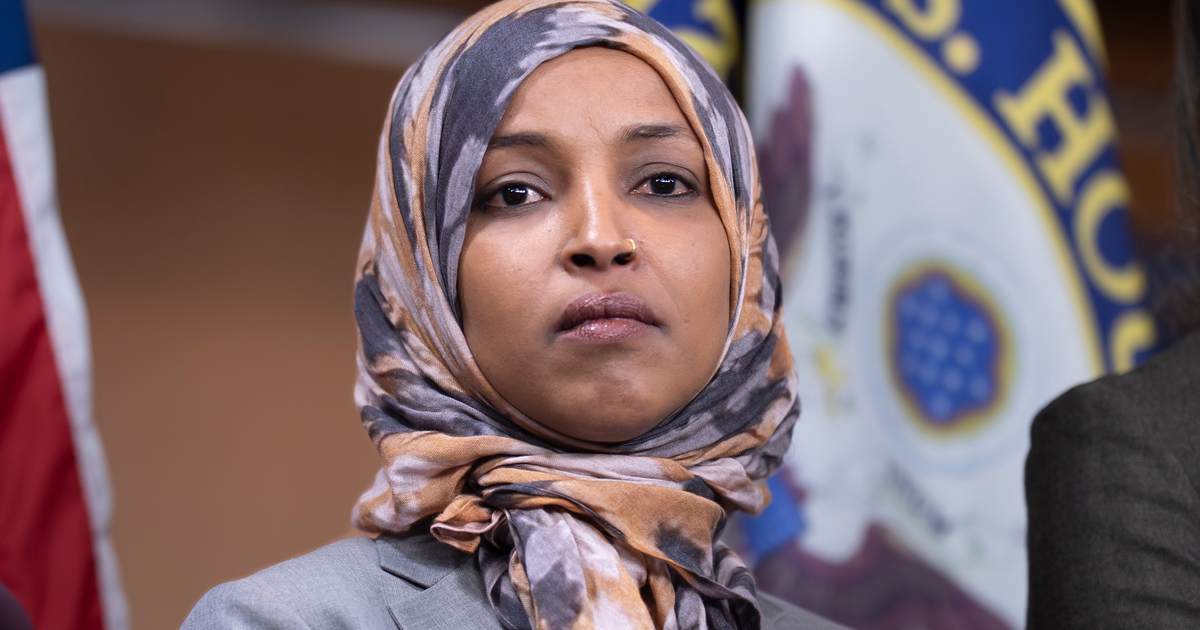
Federal Raid Targets Omar Amid Unresolved Name and Marriage Allegations
Agents searched Rep. Ilhan Omar's DC residence over immigration fraud allegations; she called it bizarre. Reports and commentary questioned her birth name and past marriage details.

Supreme Court Upholds New Hampshire Student ID Voting Ban
The Supreme Court upheld New Hampshire's ban on student IDs as valid voter identification just before midterms, affecting a tight Senate race.
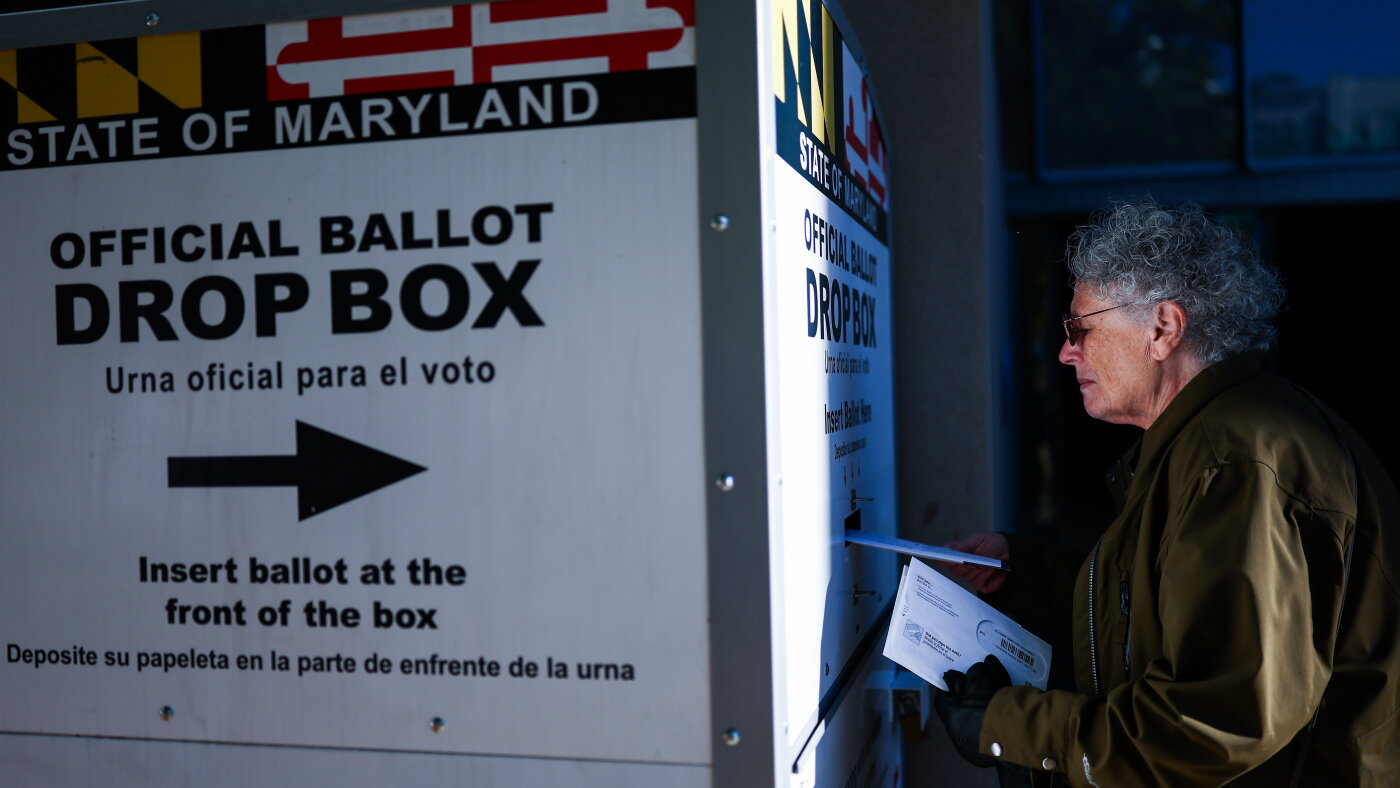
Early Voting Hits 21 Million as Most Trust Midterm Accuracy
Millions have already voted early as parties make final appeals amid $1.4 billion in ad spending; polls show confidence in election accuracy.
The Compass
You just read five takes on one story.
What's your take? Find your political shape in a few minutes.
Take the test