
Trump threatens Strait of Hormuz control as Iran blockade persists
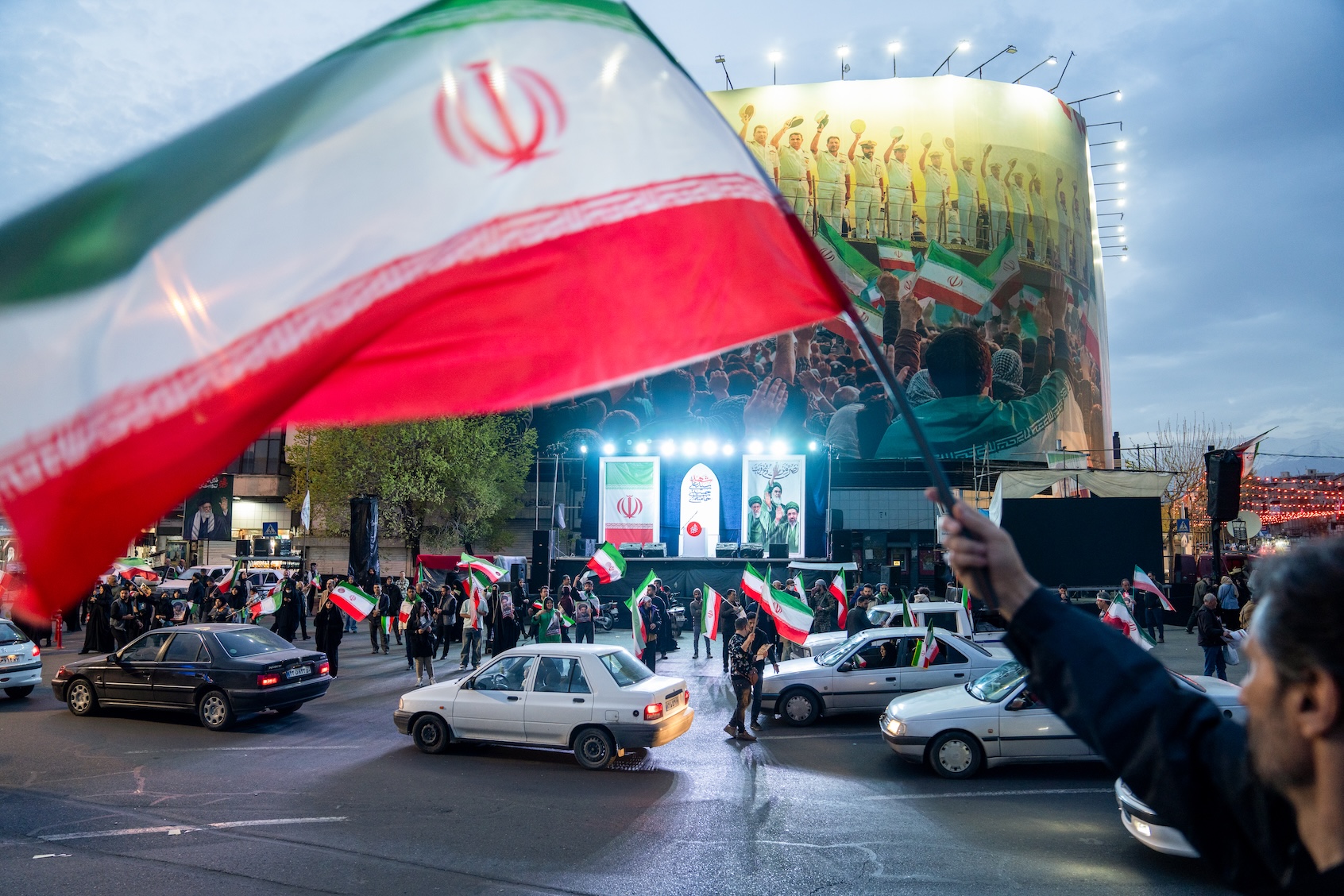
Cover image from salon.com, which was analyzed for this article
Trump signals plans to declare the Strait of Hormuz US territory amid ongoing blockade and tensions, drawing Iranian pushback and domestic debate over costs and duration. Coverage spans carrier deployments, sailor conditions, and broader economic fallout from disruptions.
PoliticalOS
Sunday, August 16, 2026 — Politics
The core unresolved question is whether either side will accept the economic and political costs of prolonged closure or whether a negotiated reopening can occur before the U.S. midterm elections. Readers should track oil-price movements and carrier-deployment timelines as the clearest indicators of which side is absorbing greater strain.
What outlets missed
Most coverage omitted the precise legal requirement under U.S. law for Senate-ratified treaties or statutes to annex territory, as noted by former officials. Few outlets quantified the documented drawdown in U.S. Patriot and THAAD interceptor stocks after months of operations. The scheduled nature of the USS George Washington rotation, rather than an unplanned withdrawal, received little attention outside defense reporting. Iranian demands for war reparations and an end to attacks on its regional allies were listed without reference to the sequence of events that produced the current blockade.
Global oil markets face renewed pressure as the United States and Iran assert competing claims over the Strait of Hormuz, through which roughly one-fifth of the world’s oil and gas passes. Disruptions have already lifted the U.S. benchmark crude price above $81 per barrel and pushed national gasoline averages to $4.07 a gallon. The standoff centers on Iran’s effective closure of the waterway and Washington’s naval blockade of Iranian ports, with neither side showing willingness to yield first.
President Trump stated on August 15 that he would designate the strait U.S. territory “pretty soon” after defeating Iran. Iranian officials, including Deputy Foreign Minister Kazem Gharibabadi, rejected the claim, asserting the strait “has been Iranian, is Iranian, and will remain Iranian.” Iran’s Revolutionary Guard Navy commander Rear Adm. Ali Azmaei said his forces exercise “complete and decisive control” over all movements. The June memorandum of understanding between the two governments expires Sunday, removing one diplomatic channel.
The United Arab Emirates accused Iran of attacking two ADNOC-linked tankers on August 13, reporting minor damage and no injuries. Saudi Arabia condemned the strikes. UK Maritime Trade Operations recorded two separate drone incidents on the same day. Iran has demanded the lifting of the U.S. naval blockade, removal of sanctions, release of frozen assets, and payment of reparations before reopening the strait. Treasury Secretary Scott Bessent said new economic measures against Iran would be announced next week.
Vice President JD Vance identified keeping U.S. oil and gas prices low as the administration’s top priority, with preventing an Iranian nuclear weapon ranked second. The USS Abraham Lincoln has now been at sea nearly nine months; Central Command rejected reports of severe supply shortages and mental-health strain aboard the carrier. A second carrier, the USS George Washington, is en route to relieve it, leaving the western Pacific without a U.S. carrier for an undetermined period.
Legal experts note that unilateral presidential action cannot transfer sovereignty over the strait, which lies in overlapping territorial waters of Iran and Oman under customary international law. Public approval for the conflict stands near one-third, according to recent polling. Negotiations between Iran and Oman on maritime management continue separately from U.S. demands.
More in Politics

Federal Agents Search Omar Home in Ongoing Immigration Probe
Homeland Security agents searched the Minnesota Democrat's DC residence in a criminal probe, prompting accusations of political intimidation from Omar and Democratic leaders. Coverage spans left-leaning outlets like NPR, BBC, and The Guardian alongside right-leaning criticism from The Federalist and Daily Wire.

Trump Diesel Import Plan Draws Pushback Over Russia Ties
The weekend agreement drew bipartisan congressional pushback and criticism from Ukraine's Zelenskyy, with analysts downplaying US fuel price impacts. Right-leaning outlets like National Review, Dispatch, and Washington Examiner questioned its legality and effectiveness.

Independents Test Voter Appetite for Middle Ground in 2026 Midterms
Nearly 200 independents are running in competitive races as voters weigh ballot measures on housing costs in states like Massachusetts. Left-leaning coverage from NYT, NPR, and Guardian highlights turnout and key races while right outlets focus on GOP strategy.
Trump Rallies in Alaska, Ohio to Bolster GOP Senate Candidates
The president rallied in Wasilla for Sen. Dan Sullivan and faced empty seats at an Ohio event amid midterm concerns. Outlets across the spectrum covered the trips as signals of GOP vulnerability weeks before Election Day.
The Compass
You just read five takes on one story.
What's your take? Find your political shape in a few minutes.
Take the test