
Trump Eyes Hormuz Deal via Oman as Missile Stocks Near Depletion
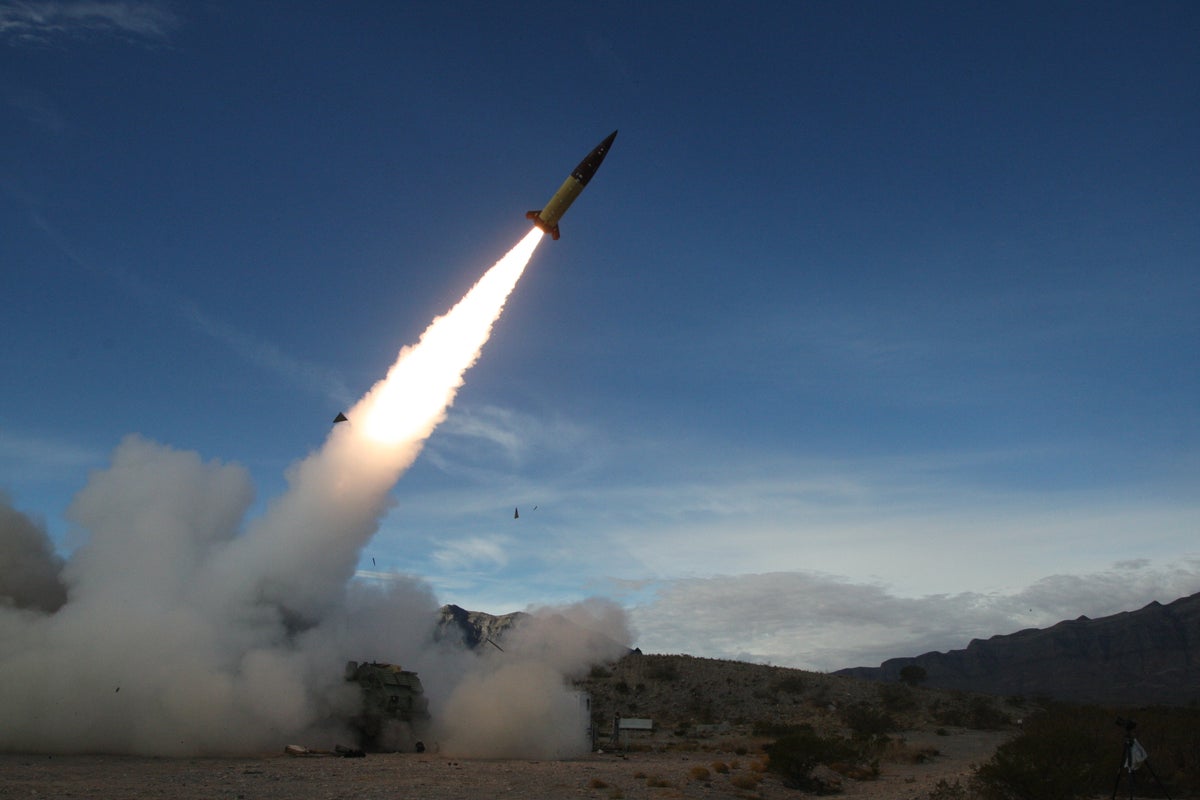
Cover image from independent.co.uk, which was analyzed for this article
President Trump signals possible imminent deal with Iran via Oman mediators to reopen the Strait of Hormuz, warning of hard consequences if talks fail. Reports from across the spectrum cover diplomacy progress, oil market impacts, and internal Iranian pressures.
PoliticalOS
Wednesday, August 5, 2026 — Politics
A narrow diplomatic window exists for a temporary, toll-free Hormuz reopening through Oman, yet Iranian denials of direct talks, U.S. missile depletion reports, and repeated conditional threats leave the outcome dependent on whether both sides accept the interim mechanics before any new escalation.
What outlets missed
Most coverage omitted the specific 60-day timeline and no-toll provision detailed in Axios reporting and confirmed across AP and regional sources. Few outlets placed the missile depletion figures alongside Central Command’s public claim of having aided more than 1,000 transits, leaving readers without a clear picture of simultaneous operational strain and continued traffic. International reactions from the UN International Maritime Organization on seafarer deaths and from Qatar’s emir on mediation progress received minimal attention outside wire dispatches. Houthis’ Red Sea tanker attack on the same day as Hormuz developments went largely unlinked to the broader shipping crisis.
Global oil markets and shipping lanes face renewed pressure as President Trump reported progress toward a temporary agreement to reopen the Strait of Hormuz through Oman-mediated talks with Iran. The waterway carries roughly one-fifth of world oil trade, and its closure since February has raised fuel costs and complicated supply chains for energy, fertilizers and consumer goods. Trump told reporters traveling with him in California on Tuesday that an announcement could come Wednesday or Thursday, describing the discussions as very good while repeating that failure would bring a hard military response. Iranian officials have denied direct talks with Washington and described the channel as limited to Oman on shipping mechanics, with state media indicating any deal would remain temporary absent an end to U.S. pressure. Multiple outlets reported that the emerging 60-day framework would route inbound traffic through an Iranian-controlled northern lane and outbound traffic through an Omani southern lane, with no tolls charged during the interim period and mine clearance to begin within 30 days. U.S. Central Command stated the southern route remains open and that it has assisted more than 1,000 vessels since the conflict began. Separate reporting from Reuters and CBS News, citing people familiar with internal data, indicated the U.S. Army has expended virtually all of its ATACMS and PrSM long-range precision missiles over five months of operations, with Patriot and THAAD interceptors also sharply reduced. Defense Secretary Pete Hegseth and White House officials countered that stockpiles remain sufficient for current needs and that production is expanding. Oil prices fell sharply after Treasury Secretary Scott Bessent and Trump highlighted the possibility of a near-term opening, though Brent crude later recovered part of those losses. Iranian Foreign Minister Esmaeil Baghaei told state broadcaster IRIB that talks with Oman focus on future shipping arrangements and that final results would be announced after conclusion. Houthis in Yemen separately claimed a ballistic-missile attack on a Saudi oil tanker in the Red Sea, extending their declared blockade. No independent verification exists for exact remaining U.S. missile quantities or for Iranian casualty totals exceeding 3,400 since February, both of which rest on single-side attributions.
More in Politics

Federal Agents Search Omar Home in Ongoing Immigration Probe
Homeland Security agents searched the Minnesota Democrat's DC residence in a criminal probe, prompting accusations of political intimidation from Omar and Democratic leaders. Coverage spans left-leaning outlets like NPR, BBC, and The Guardian alongside right-leaning criticism from The Federalist and Daily Wire.

Trump Diesel Import Plan Draws Pushback Over Russia Ties
The weekend agreement drew bipartisan congressional pushback and criticism from Ukraine's Zelenskyy, with analysts downplaying US fuel price impacts. Right-leaning outlets like National Review, Dispatch, and Washington Examiner questioned its legality and effectiveness.

Independents Test Voter Appetite for Middle Ground in 2026 Midterms
Nearly 200 independents are running in competitive races as voters weigh ballot measures on housing costs in states like Massachusetts. Left-leaning coverage from NYT, NPR, and Guardian highlights turnout and key races while right outlets focus on GOP strategy.
Trump Rallies in Alaska, Ohio to Bolster GOP Senate Candidates
The president rallied in Wasilla for Sen. Dan Sullivan and faced empty seats at an Ohio event amid midterm concerns. Outlets across the spectrum covered the trips as signals of GOP vulnerability weeks before Election Day.
The Compass
You just read five takes on one story.
What's your take? Find your political shape in a few minutes.
Take the test