
US vows deeper sanctions, indefinite Hormuz blockade as tanker attacks rise

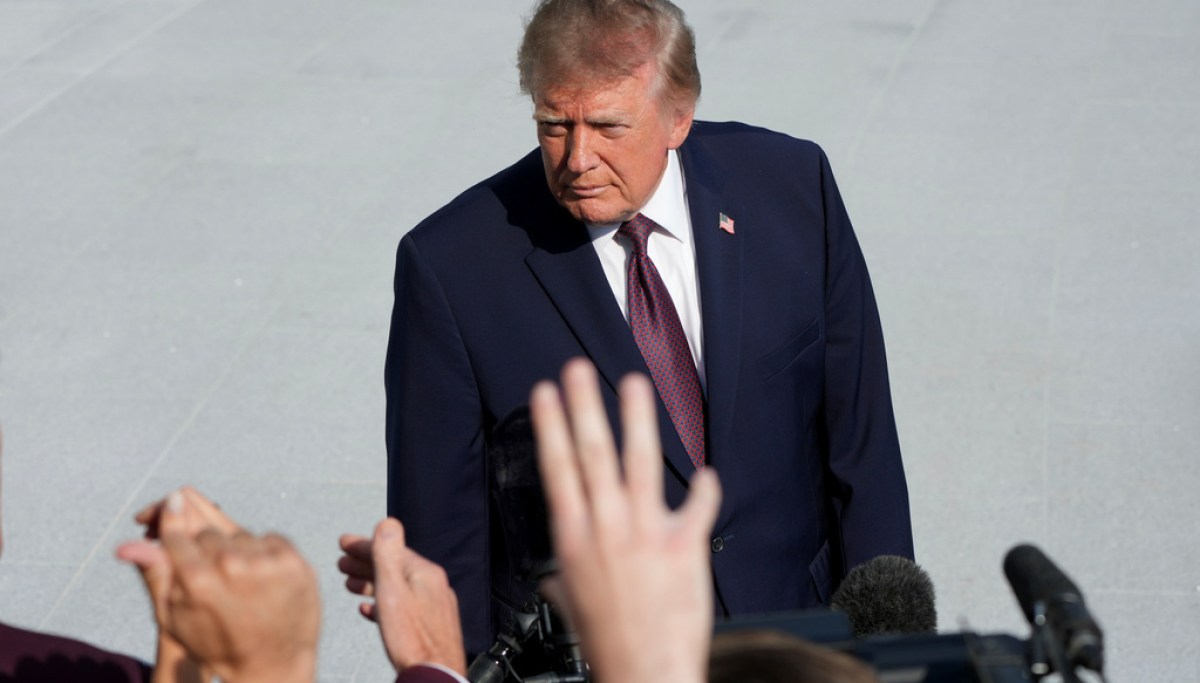
Cover image from aljazeera.com, which was analyzed for this article
The Trump administration is threatening indefinite economic measures and possible blockade against Iran following attacks on tankers in the Strait of Hormuz. Multiple outlets report Iranian claims of control over the waterway and US warnings of further sanctions.
PoliticalOS
Friday, August 14, 2026 — Politics
The core unresolved tension is whether sustained US sanctions and naval presence can force Iranian concessions on Hormuz transit before operational strain or regional spillover alters the calculation. Readers should track verified transit volumes and official sanction announcements rather than unconfirmed claims from either side.
What outlets missed
Several outlets omitted the precise ship-transit counts from Kpler data showing volumes far below pre-tension levels. Most did not detail the sequence of prior sanctions waivers that were later revoked. Coverage rarely noted the specific inflation and rial figures cited by Iranian state media alongside independent trackers. Few examined the legal distinction between targeting commercial tankers and military assets when describing regional strikes. The absence of any independent verification for Iranian claims of total strait control versus US rotation plans left the sustainability question largely unaddressed.
Global energy markets face renewed strain as the United States signals expanded sanctions and an open-ended naval presence in the Strait of Hormuz. Oil prices edged higher after attacks on two UAE-linked tankers and Iranian assertions of control over the waterway.
US Treasury Secretary Scott Bessent told Newsmax that new measures would target Iran with economic isolation measures unseen before, to be announced next week. Defense Secretary Pete Hegseth stated the Navy could sustain the blockade indefinitely by rotating ships. These remarks followed reports that Iran has restricted transit, with only nine vessels passing on one recent day compared with a pre-tension average above 130.
The UAE blamed Iran for drone strikes on two ADNOC tankers Thursday evening that caused minor damage and no injuries. The UK Maritime Trade Operations Center confirmed similar incidents without naming the vessels. Iran’s Islamic Revolutionary Guard Corps Navy commander Rear Admiral Ali Azmaei said the IRGC maintains complete control and that no movement escapes its watch.
US officials have also addressed conditions aboard the USS Abraham Lincoln after nearly nine months at sea. Central Command rejected reports of deaths or widespread suicidal ideation, confirming one sailor fell overboard August 3 and was recovered. Democratic senators including Richard Blumenthal have written to Hegseth citing family accounts of supply shortages and mental health strain.
Iran has lost at least $6 billion in oil revenue since the blockade began in April, according to statements from Tehran. Annual inflation inside Iran reached elevated levels and the rial hit record lows near 1.95 million per dollar. Experts at the International Crisis Group noted Iran could respond by raising pressure on regional energy routes or pushing proxies.
Vice President JD Vance said the administration’s priority remains keeping US oil and gas prices low, followed by preventing an Iranian nuclear weapon. Brent crude traded near $87 a barrel and WTI near $81 after the latest incidents. Ship-tracking data showed transit volumes well below historical norms, with some vessels reportedly moving with transponders off.
More in Politics

Federal Agents Search Omar Home in Ongoing Immigration Probe
Homeland Security agents searched the Minnesota Democrat's DC residence in a criminal probe, prompting accusations of political intimidation from Omar and Democratic leaders. Coverage spans left-leaning outlets like NPR, BBC, and The Guardian alongside right-leaning criticism from The Federalist and Daily Wire.

Trump Diesel Import Plan Draws Pushback Over Russia Ties
The weekend agreement drew bipartisan congressional pushback and criticism from Ukraine's Zelenskyy, with analysts downplaying US fuel price impacts. Right-leaning outlets like National Review, Dispatch, and Washington Examiner questioned its legality and effectiveness.

Independents Test Voter Appetite for Middle Ground in 2026 Midterms
Nearly 200 independents are running in competitive races as voters weigh ballot measures on housing costs in states like Massachusetts. Left-leaning coverage from NYT, NPR, and Guardian highlights turnout and key races while right outlets focus on GOP strategy.
Trump Rallies in Alaska, Ohio to Bolster GOP Senate Candidates
The president rallied in Wasilla for Sen. Dan Sullivan and faced empty seats at an Ohio event amid midterm concerns. Outlets across the spectrum covered the trips as signals of GOP vulnerability weeks before Election Day.
The Compass
You just read five takes on one story.
What's your take? Find your political shape in a few minutes.
Take the test