
Trump Reinstates Hormuz Blockade and Tolls as Strikes Resume

Cover image from aljazeera.com, which was analyzed for this article
President Trump ordered renewed US strikes on Iranian targets and a blockade with tolls on the Strait of Hormuz after the ceasefire collapsed. Iran retaliated with attacks on tankers and Gulf states, driving oil prices higher.
PoliticalOS
Friday, May 8, 2026 — Politics
Control of the Strait of Hormuz now hinges on whether either side can sustain a blockade or toll without triggering wider economic shock. The central unresolved question is whether the 20 percent fee can be collected and enforced under international law or whether it will simply replicate the price effects of closure.
What outlets missed
Most coverage omitted the explicit language in the June memorandum of understanding that allowed Iran to “make arrangements” for safe passage after an initial 60-day fee-free period, a clause that directly explains Tehran’s claim to management rights. Few reports included the precise casualty breakdown from the UAE Ministry of Defense or the names of the two struck tankers. Almost no outlet examined the legal precedent cited by the International Maritime Organization against mandatory strait tolls or the 52 percent drop in daily transits recorded by Kpler between July 10 and 12.
Trump Insists Ceasefire Holds as Iran Fires on American Ships and Arab Neighbors
President Donald Trump said Friday that a fragile ceasefire with Iran remains in effect even after Iranian forces launched unprovoked attacks on American naval vessels in the Strait of Hormuz and fired missiles and drones at the United Arab Emirates. The latest violence comes as the administration presses ahead with high-stakes negotiations to end hostilities that began earlier this year in Operation Epic Fury, an effort to cripple the Iranian regime's ability to export terrorism.
U.S. Central Command confirmed that three American destroyers the USS Truxton, USS Rafael Peralta and USS Mason came under fire from missiles, drones and small boats Thursday evening. No American ships were damaged. CENTCOM described the Iranian action as unprovoked and responded with self-defense strikes that destroyed launch sites, command centers and surveillance positions used by Iranian forces. President Trump, speaking to reporters near the renovated Reflecting Pool on the National Mall, brushed off the incident as a "trifle" and said American forces "blew them away."
Iran told a different story, as it usually does. The Islamic Revolutionary Guard Corps, long designated a terrorist organization by the United States, claimed the American ships ignored warnings and that the United States had earlier struck an Iranian oil tanker. Iranian Foreign Minister Seyed Abbas Araghchi accused Washington of choosing "reckless military adventure" every time diplomacy nears success. Tehran announced that the ceasefire was broken and threatened further attacks. A spokesman for the IRGC boasted of inflicting "significant damage," though American officials reported none.
This is the same regime that has spent decades attacking American interests, arming proxies who kill U.S. troops and civilians, and destabilizing the entire Middle East. Yet the Trump administration continues to pursue talks. Officials told reporters that discussions remain active and that they expect a formal Iranian response to the latest American proposal later Friday. Trump has expressed frustration that it is difficult to know exactly who speaks for Iran after months of targeted operations that eliminated numerous senior regime figures, including Supreme Leader Ayatollah Ali Khamenei. The power structure in Tehran is fractured, which may explain why the mullahs keep lashing out even as their capacity shrinks.
The violence extended beyond American targets. The United Arab Emirates reported another barrage of Iranian ballistic missiles and drones on Friday, injuring three people and adding to a grim tally. Since the current round of aggression began, Iranian attacks on the UAE have killed ten people and wounded more than two hundred, including foreign nationals from across the region. Emirati air defenses have now intercepted hundreds of ballistic missiles, cruise missiles and thousands of drones. The UAE announced it will form a committee led by its attorney general to document Iranian war crimes and seek damages in international courts. That move suggests Arab states have lost patience with a regime that treats the Persian Gulf as its personal shooting gallery.
These episodes raise obvious questions about how durable any ceasefire can be with a theocratic dictatorship that has never honored agreements in the past. Trump, however, struck an optimistic tone. He said a deal "might not happen, but it could happen any day" and suggested the Iranians want it more than he does. The administration's approach appears to rest on the idea that after degrading Iran's military infrastructure and eliminating key leaders, the regime may finally calculate that continued hostility brings only more pain. Joint American and Israeli operations earlier in the year left Iran's terrorist apparatus reeling. Now the question is whether anyone in Tehran retains enough authority to sign a lasting agreement.
Critics of endless Middle East engagements have long warned that the United States should not become the permanent policeman of the region. Trump has repeatedly signaled that he agrees. The goal of Operation Epic Fury was never occupation or regime change through American ground troops. It was to neutralize threats, protect shipping lanes vital to the global economy, and create conditions where Iran might be forced to the table. The fact that talks continue even after Thursday's exchanges suggests the president is trying to thread a difficult needle: respond forcefully to aggression without sliding back into prolonged conflict.
Iranian state media and its apologists abroad predictably blame the United States and its partners for every incident. The record tells another story. Iran has spent years building a network of proxies and conducting shadow warfare against its neighbors. Its attacks on the UAE this week are only the latest example. The Emiratis, who have pursued pragmatic economic ties across the region, now find themselves cataloging evidence of Iranian missiles landing in their territory. Saudi Arabia, Bahrain, Qatar and Israel have faced similar barrages in recent months.
For all the chaos, there are signs the Iranian regime is under immense internal pressure as well. Reports from inside the country indicate growing protests and demands from ordinary Iranians to end the ayatollahs' ruinous rule. The combination of military setbacks, economic collapse and isolation may finally be catching up to a government that has prioritized nuclear ambitions and terrorism financing over the welfare of its own people.
Whether that leads to a genuine breakthrough remains to be seen. Trump has made clear he will not tolerate attacks on American forces or allies, but he also shows no appetite for the kind of open-ended commitments that have drained American blood and treasure for decades. The coming days will test whether the fractured Iranian leadership can deliver more than threats and excuses. For now, the president maintains the ceasefire is holding, American assets are protected, and the door to peace remains open. The regime in Tehran will have to decide if it wants to walk through it or continue down the path that has already cost it so much.
You just read America First's take. Want to read what actually happened?
More in Politics

Trump Defends Ramaswamy Ad Using Estranged Mother in Ohio Race
President Trump defended a GOP nominee's ad featuring a Democratic opponent's estranged mother, calling it powerful, while drawing criticism from some Republicans including Ohio Gov. Mike DeWine. The ad has sparked internal GOP tensions ahead of midterms.
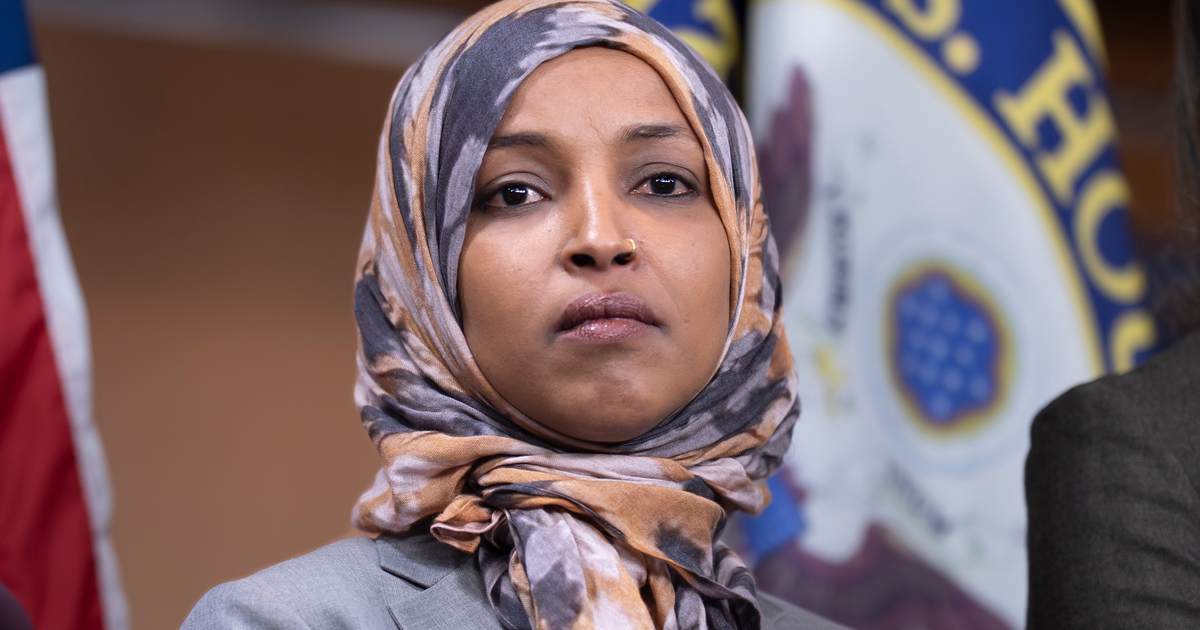
Federal Raid Targets Omar Amid Unresolved Name and Marriage Allegations
Agents searched Rep. Ilhan Omar's DC residence over immigration fraud allegations; she called it bizarre. Reports and commentary questioned her birth name and past marriage details.

Supreme Court Upholds New Hampshire Student ID Voting Ban
The Supreme Court upheld New Hampshire's ban on student IDs as valid voter identification just before midterms, affecting a tight Senate race.
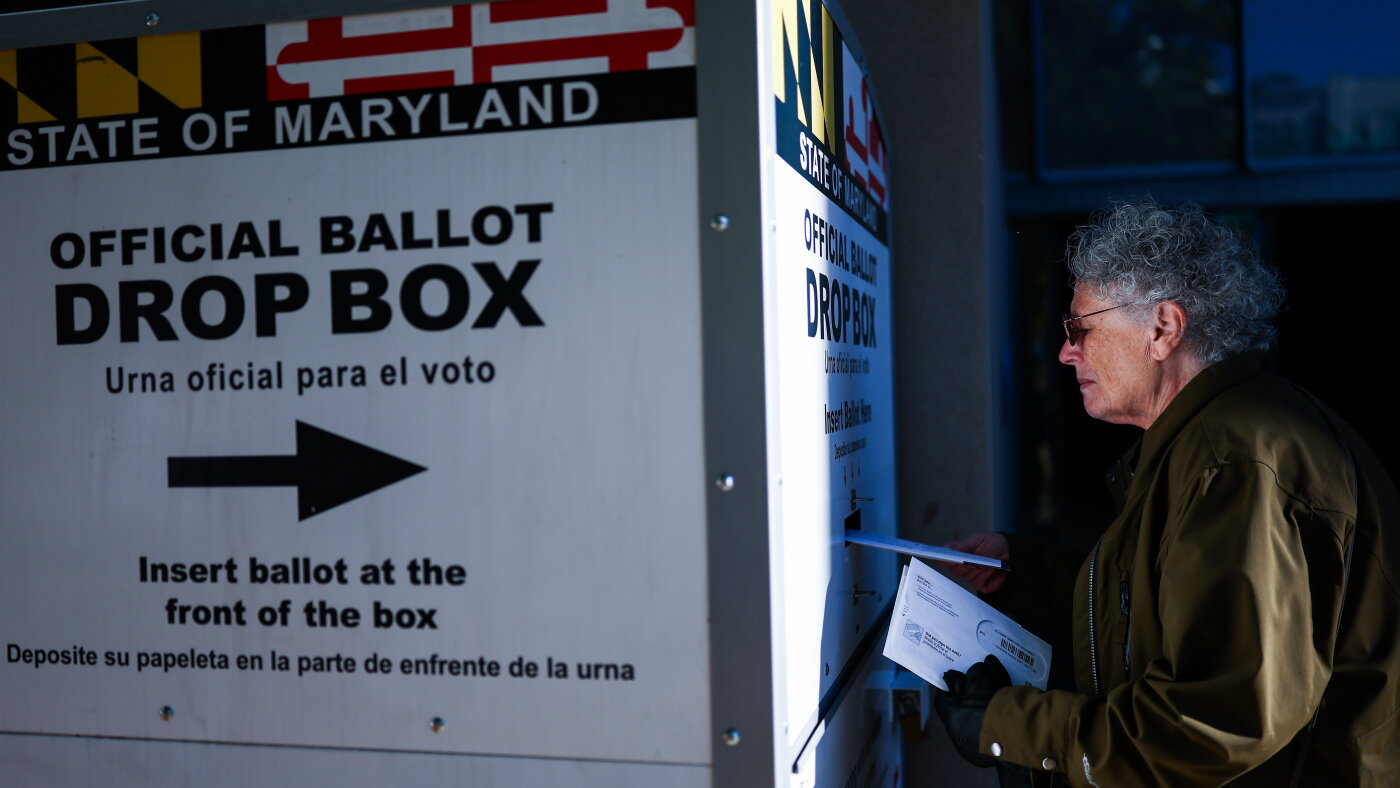
Early Voting Hits 21 Million as Most Trust Midterm Accuracy
Millions have already voted early as parties make final appeals amid $1.4 billion in ad spending; polls show confidence in election accuracy.
The Compass
You just read five takes on one story.
What's your take? Find your political shape in a few minutes.
Take the test