
Trump Reinstates Hormuz Blockade and Tolls as Strikes Resume

Cover image from aljazeera.com, which was analyzed for this article
President Trump ordered renewed US strikes on Iranian targets and a blockade with tolls on the Strait of Hormuz after the ceasefire collapsed. Iran retaliated with attacks on tankers and Gulf states, driving oil prices higher.
PoliticalOS
Friday, May 8, 2026 — Politics
Control of the Strait of Hormuz now hinges on whether either side can sustain a blockade or toll without triggering wider economic shock. The central unresolved question is whether the 20 percent fee can be collected and enforced under international law or whether it will simply replicate the price effects of closure.
What outlets missed
Most coverage omitted the explicit language in the June memorandum of understanding that allowed Iran to “make arrangements” for safe passage after an initial 60-day fee-free period, a clause that directly explains Tehran’s claim to management rights. Few reports included the precise casualty breakdown from the UAE Ministry of Defense or the names of the two struck tankers. Almost no outlet examined the legal precedent cited by the International Maritime Organization against mandatory strait tolls or the 52 percent drop in daily transits recorded by Kpler between July 10 and 12.
Trump Maintains Fragile Ceasefire With Iran Despite Fresh Attacks and Regional Fallout
President Donald Trump insisted Friday that a ceasefire with Iran is holding despite a sharp overnight exchange of fire in the Strait of Hormuz and new Iranian missile and drone strikes on the United Arab Emirates that wounded civilians and heightened fears of uncontrolled escalation. The violence comes as Washington awaits Tehran’s formal response to a proposed peace deal aimed at ending months of conflict that has already reshaped the Middle East power balance.
U.S. Central Command reported that three American destroyers—the USS Truxton, USS Rafael Peralta and USS Mason—came under attack by Iranian missiles, drones and small boats while transiting the strait. No American vessels were damaged. In response, U.S. forces conducted what officials described as self-defense strikes on Iranian missile and drone launch sites, command centers and intelligence positions. Trump, speaking to reporters near the National Mall, dismissed the Iranian actions as a “trifle,” telling reporters, “They trifled with us today. We blew them away.”
Iran offered a starkly different account. Its Islamic Revolutionary Guard Corps navy said it targeted the American ships after two provocative U.S. moves: an alleged strike on an Iranian oil tanker the previous day and the destroyers’ refusal to heed warnings to halt their approach. Iranian officials accused the United States of hitting civilian areas and declared that Washington had “crossed the point of no return.” Foreign Minister Seyed Abbas Araghchi said that every time diplomacy appears possible, the U.S. chooses “reckless military adventure.”
The exchange occurred against the backdrop of Operation Epic Fury, the Pentagon campaign launched in February to degrade Iran’s capacity to finance and export terrorism. Joint U.S.-Israeli strikes eliminated dozens of senior Iranian figures, including Supreme Leader Ayatollah Ali Khamenei. The resulting leadership vacuum has complicated negotiations, a point Trump himself has repeatedly acknowledged. “Nobody knows who’s in charge,” he has said, even as his administration continues back-channel talks.
That uncertainty appears to be testing the ceasefire Trump announced earlier this week. Iranian state media quoted military commanders threatening further action by the IRGC, while a spokesman described U.S. strikes as having caused “significant damage.” Tehran maintains the original ceasefire was broken by what it termed a U.S. “love tap.”
The violence extended beyond the naval theater. The UAE reported a third Iranian barrage this week, consisting of two ballistic missiles and three drones. Emirati air defenses intercepted the weapons, but the Defense Ministry said three people sustained moderate injuries and warned civilians to avoid debris. Since the current round of attacks began, Iranian projectiles have killed ten people and injured 230 across the UAE, nationals from more than two dozen countries among them. The cumulative toll includes 551 ballistic missiles, 29 cruise missiles and over 2,200 drones intercepted by Emirati forces.
In response, the UAE announced the creation of a formal committee, chaired by its attorney general, to document Iranian “acts of aggression” and “international crimes” for potential claims in international courts. The foreign ministry rejected Tehran’s justification that the attacks were retaliation for Emirati cooperation with Washington, insisting the strikes were unprovoked.
The latest flare-up casts doubt on the high-stakes diplomatic track Trump has pursued even as military operations continued. Administration officials told reporters that discussions with Iranian counterparts remain active and that Tehran is expected to respond to the latest American proposal later Friday. Yet the disjointed nature of Iran’s remaining leadership structure—decimated by targeted killings—has left few clear interlocutors. Some analysts worry the power vacuum could incentivize hard-line factions within the IRGC to act independently, undermining any deal.
Trump struck an optimistic note in a Truth Social post, claiming the American destroyers had transited successfully and that a deal “might not happen, but it could happen any day. I believe they want the deal more than I do.” Still, the rapid sequence of attacks and counterattacks illustrates the narrow margin for error. With oil tanker traffic through the Strait of Hormuz already under strain and regional allies like the UAE documenting damages for future legal action, the stakes extend far beyond bilateral U.S.-Iran relations.
The episode also highlights a paradox of the current approach. While the aggressive campaign against Iranian leadership succeeded in removing key figures tied to terrorism financing and proxy militias, it has simultaneously made a coherent negotiating partner harder to identify. Whether the remaining Iranian power centers can deliver a durable agreement—or whether further violence will unravel the ceasefire before it can be tested—remains the central uncertainty hanging over the region as diplomats race to prevent a return to full-scale war.
You just read Liberal's take. Want to read what actually happened?
More in Politics
Trump at 32% Approval as Gas Prices Test GOP Midterm Hopes
NYT/Siena polling showed Trump's approval at historic lows around 32 percent with Democrats leading by double digits in key districts. Early voting has surged in battleground states.

Record Early Voting Hits Battlegrounds, Shifting Partisan Shares
AP analysis found hundreds of thousands more early ballots than in 2022 in states including Texas, Ohio, Kansas, Maine, and North Carolina, shifting partisan dynamics.
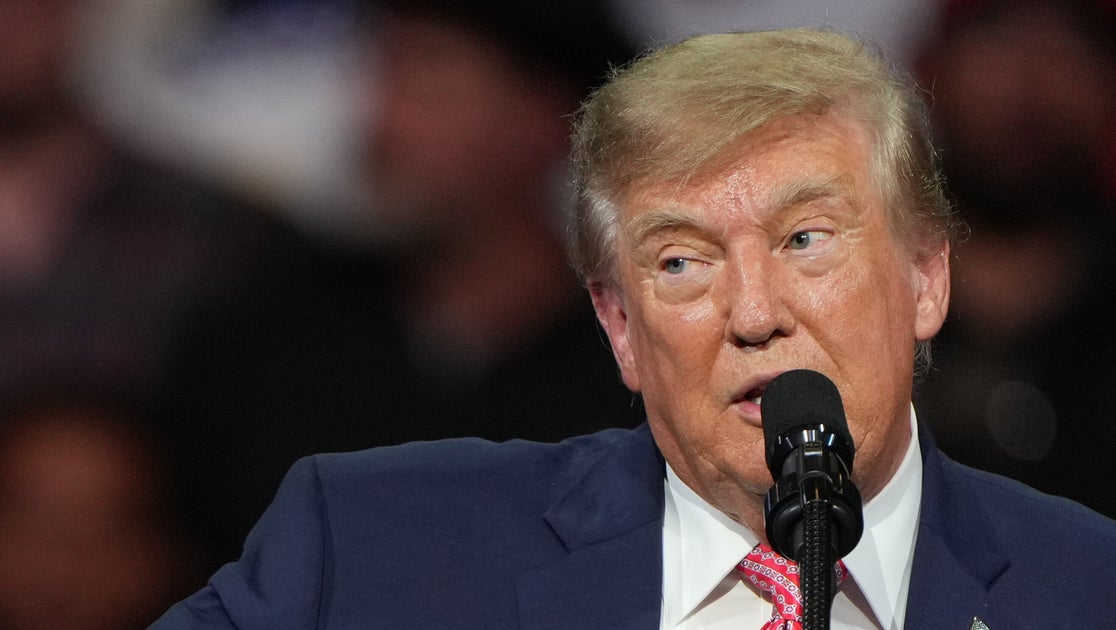
Trump Backs Marshall in Kansas Senate Race Tightened by Farm Costs
President Trump rallied in deep-red Kansas for GOP Sen. Roger Marshall in a competitive race, announcing an $8 billion farm fuel relief program amid high diesel prices. Democrats see an opening to end 94 years of GOP dominance in the state.

Trump Pauses Russia Sanctions Amid Ukraine Tensions and Missile Strikes
Trump waived sanctions on Russia and floated trilateral talks with Putin and Xi as part of ending the Ukraine war, while tensions rose with Zelenskyy over Starlink and arms. Bipartisan senators engaged Zelenskyy amid the shifts.
The Compass
You just read five takes on one story.
What's your take? Find your political shape in a few minutes.
Take the test