
Trump Reinstates Hormuz Blockade and Tolls as Strikes Resume

Cover image from aljazeera.com, which was analyzed for this article
President Trump ordered renewed US strikes on Iranian targets and a blockade with tolls on the Strait of Hormuz after the ceasefire collapsed. Iran retaliated with attacks on tankers and Gulf states, driving oil prices higher.
PoliticalOS
Friday, May 8, 2026 — Politics
Control of the Strait of Hormuz now hinges on whether either side can sustain a blockade or toll without triggering wider economic shock. The central unresolved question is whether the 20 percent fee can be collected and enforced under international law or whether it will simply replicate the price effects of closure.
What outlets missed
Most coverage omitted the explicit language in the June memorandum of understanding that allowed Iran to “make arrangements” for safe passage after an initial 60-day fee-free period, a clause that directly explains Tehran’s claim to management rights. Few reports included the precise casualty breakdown from the UAE Ministry of Defense or the names of the two struck tankers. Almost no outlet examined the legal precedent cited by the International Maritime Organization against mandatory strait tolls or the 52 percent drop in daily transits recorded by Kpler between July 10 and 12.
Trump Downplays Gulf Clashes as Ceasefire With Iran Teeters on Edge of Collapse
President Donald Trump insisted Friday that a ceasefire with Iran remains intact despite a sharp overnight exchange of fire in the Strait of Hormuz and fresh Iranian attacks on the United Arab Emirates that left civilians injured and regional tensions spiraling. The violence erupted as Washington awaited Tehran’s formal response to a proposed peace deal, casting serious doubt on whether high-stakes negotiations can survive the latest cycle of provocation and retaliation.
U.S. Central Command said Iranian missiles, drones, and small boats targeted three American destroyers transiting the strait. No American vessels were damaged. In response, U.S. forces carried out what they described as “self-defense strikes” on Iranian missile and drone launch sites, command centers, and intelligence positions. Iranian ports were also hit. Trump, speaking to reporters near the renovated Reflecting Pool on the National Mall, dismissed the Iranian actions as a “trifle” and boasted that American forces “blew them away.”
Iran offered a starkly different account. Its military command accused the United States of attacking an Iranian oil tanker the previous day and claimed one of its vessels ignored warnings before attempting to exit the strait. Iranian officials said the American response struck civilian areas and amounted to crossing “the point of no return.” Foreign Minister Seyed Abbas Araghchi charged that “every time a diplomatic solution is on the table, the U.S. opts for a reckless military adventure.” A spokesman for the Islamic Revolutionary Guard Corps declared the ceasefire broken and vowed further attacks.
The clashes come barely two months after the United States and Israel launched Operation Epic Fury, a sweeping campaign aimed at dismantling Iran’s capacity to support regional militias. The joint operations have killed dozens of senior Iranian officials, including Supreme Leader Ayatollah Ali Khamenei, leaving the Islamic Republic’s leadership fractured and its command structure uncertain. Trump has repeatedly complained that it is difficult to negotiate when “nobody knows who’s in charge” in Tehran. Yet officials in Washington say back-channel talks have continued, with expectations that Iran would respond to the latest American proposal later Friday.
The violence has not been limited to American and Iranian targets. The UAE reported another barrage of two ballistic missiles and three drones from Iran on Friday, injuring three people moderately. The attack marked the third Iranian strike on the Emirates this week. Since the wider conflict intensified, Iranian projectiles have killed ten people and wounded 230 across the UAE, many of them migrant workers from more than two dozen countries. Abu Dhabi said its air defenses have now intercepted more than 2,800 Iranian missiles, cruise missiles, and drones. Emirati officials announced the creation of a high-level committee, chaired by the attorney general, to compile evidence of “Iranian acts of aggression and international crimes” for future legal action in international courts. They rejected Tehran’s claim that the attacks were justified by the UAE’s cooperation with Washington.
The latest flare-up follows a pattern familiar to anyone who has followed America’s long entanglement in the Middle East. Each time diplomatic openings appear, military action seems to widen them. Trump’s administration has portrayed the current campaign as necessary to curb Iranian terrorism financing and proxy warfare. Critics, however, note that the aggressive campaign of targeted killings and economic pressure has instead produced a more unstable and unpredictable Iranian posture, one that lashes out at neighbors even as it claims to seek an off-ramp.
Trump, appearing unconcerned, told reporters he believes Iran “wants the deal more than I do” and that an agreement “might not happen, but it could happen any day.” His tone echoed previous statements in which he described limited strikes on Iranian assets as little more than a “love tap.” Yet the IRGC’s explicit threat to resume major operations, combined with the UAE’s mounting casualties and legal preparations, suggests the conflict is far from contained.
For ordinary people across the region the human toll continues to mount. Iranian strikes on civilian infrastructure and population centers in the Gulf have exacted a price measured in lives and livelihoods far from the negotiating tables in Washington or wherever Iranian representatives are currently huddled. The disjointed nature of Iran’s remaining leadership only adds to the danger that miscalculation could rapidly escalate into something far larger than the limited exchanges seen Thursday night.
As of Friday afternoon, American officials continued to brief that active discussions with Iran were ongoing despite the violence. Whether those talks can produce a durable agreement before the next barrage lands remains an open and increasingly precarious question. The region, already exhausted by years of confrontation, is watching to see if Trump’s confidence in the ceasefire is grounded in reality or simply another assertion that the latest “trifle” does not count.
You just read Progressive's take. Want to read what actually happened?
More in Politics

Trump Defends Ramaswamy Ad Using Estranged Mother in Ohio Race
President Trump defended a GOP nominee's ad featuring a Democratic opponent's estranged mother, calling it powerful, while drawing criticism from some Republicans including Ohio Gov. Mike DeWine. The ad has sparked internal GOP tensions ahead of midterms.
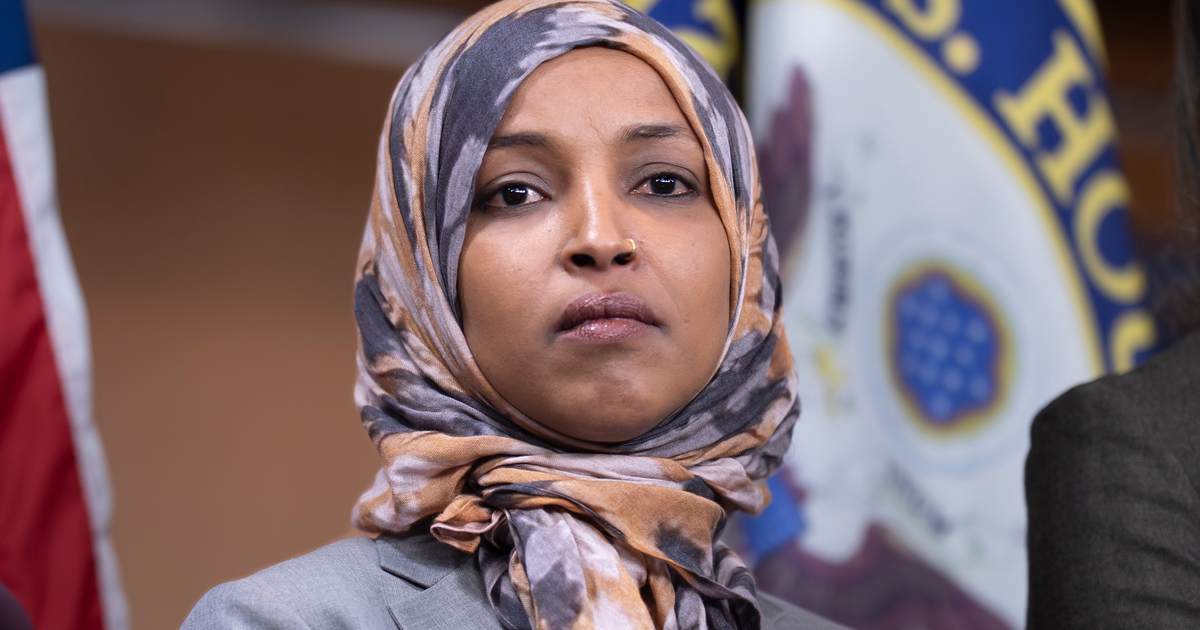
Federal Raid Targets Omar Amid Unresolved Name and Marriage Allegations
Agents searched Rep. Ilhan Omar's DC residence over immigration fraud allegations; she called it bizarre. Reports and commentary questioned her birth name and past marriage details.

Supreme Court Upholds New Hampshire Student ID Voting Ban
The Supreme Court upheld New Hampshire's ban on student IDs as valid voter identification just before midterms, affecting a tight Senate race.
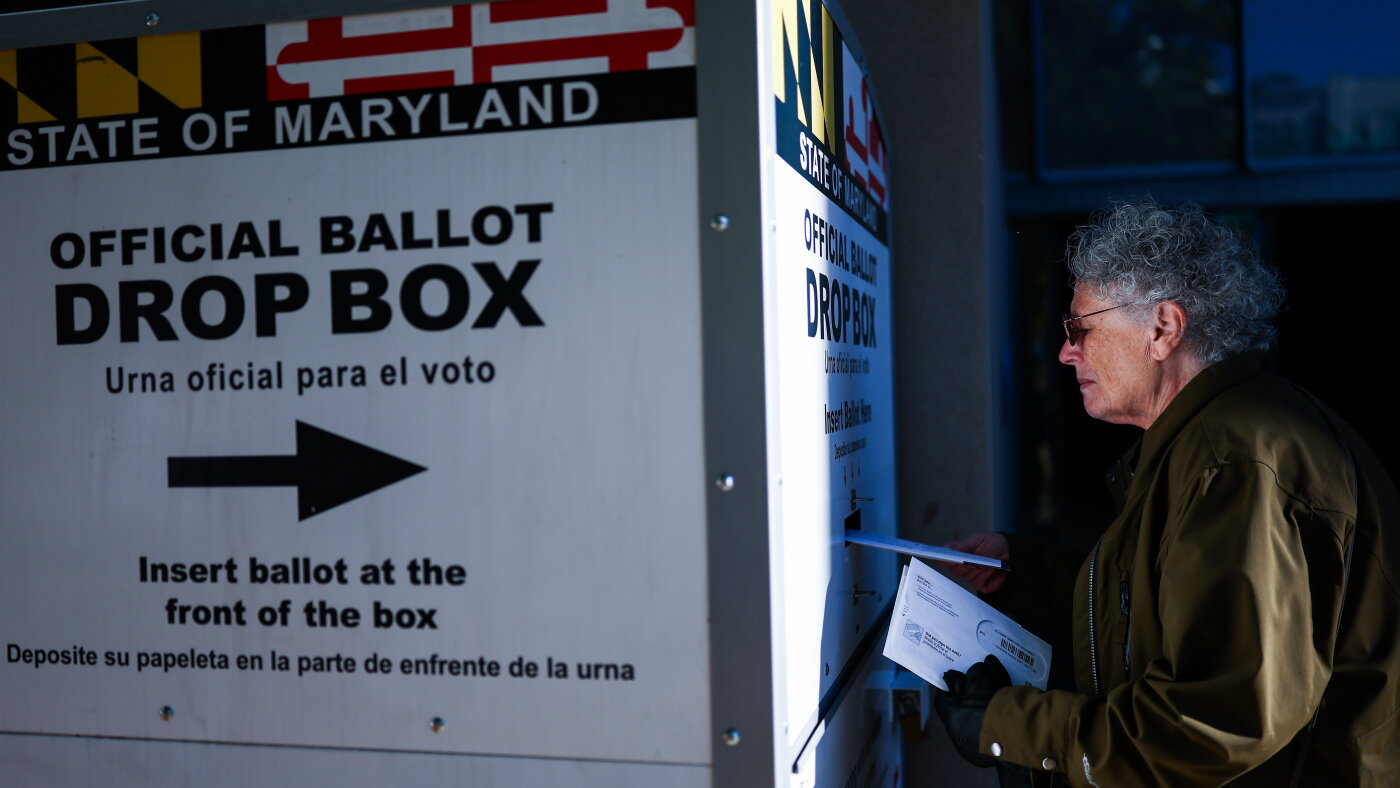
Early Voting Hits 21 Million as Most Trust Midterm Accuracy
Millions have already voted early as parties make final appeals amid $1.4 billion in ad spending; polls show confidence in election accuracy.
The Compass
You just read five takes on one story.
What's your take? Find your political shape in a few minutes.
Take the test